How can I avoid an unsafe replacement charger?
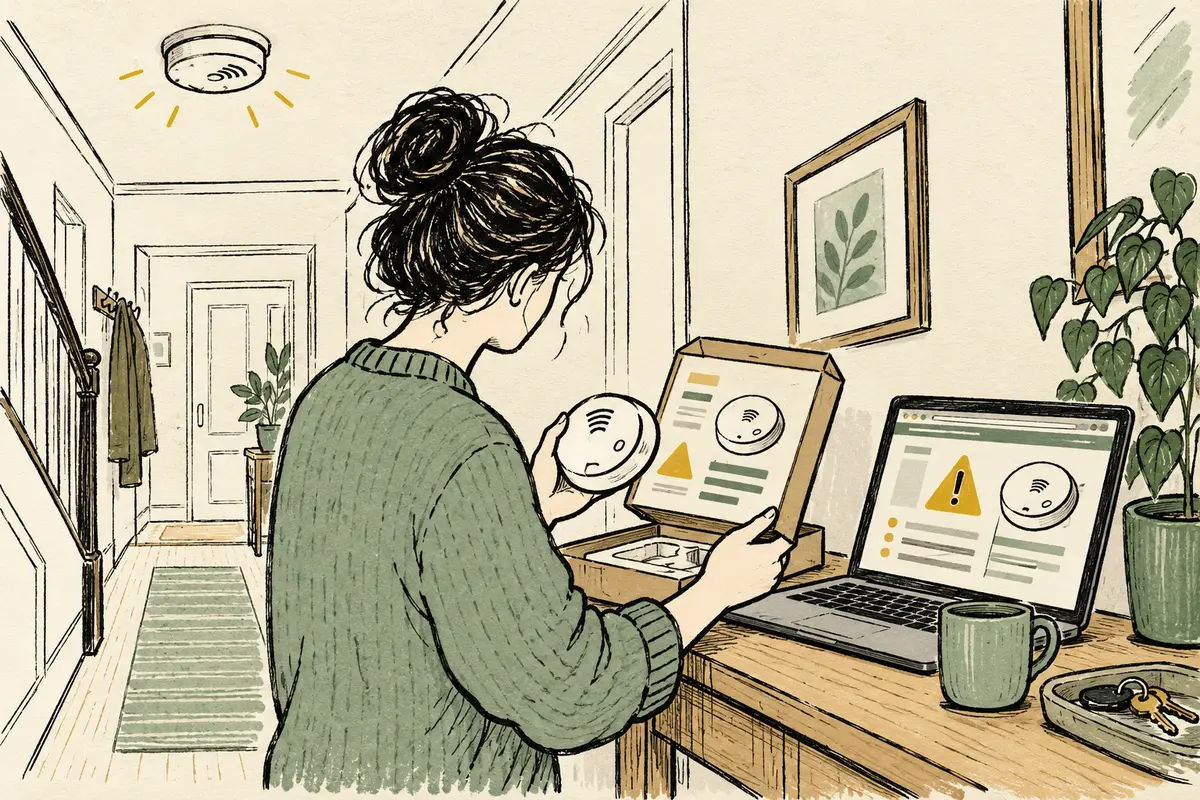
A replacement charger arrives looking much like the one you lost. That does not establish that it is genuine or suitable for your device. Counterfeit and substandard chargers can fail safety requirements and create a fire risk. Check the supplier and compatibility before use, then pay attention to the cable, plug and charging surface. A familiar logo or safety marking is not a substitute for those checks. If a charger or battery fails, stopping use is only the first step: batteries need a suitable recycling route because damage in household bins can cause another fire.
ishowcrime desk
Sources checked 22 October 2026
Here’s what you can do.
Check the supplier and compatibility
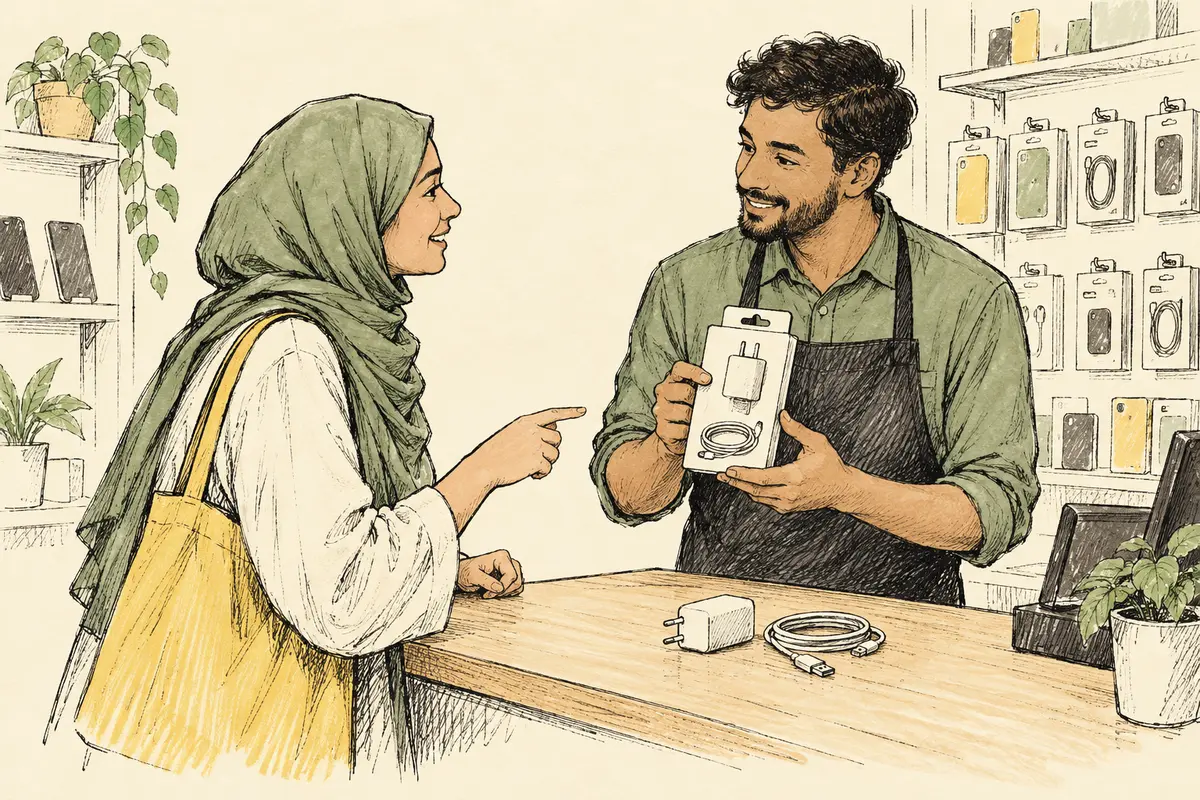
Use the charger supplied with the device. For a replacement, choose a genuine product from the manufacturer or a reputable retailer and check that it is compatible with your model. Follow the manufacturer's instructions. A familiar logo, CE mark or UKCA mark is not proof on its own: markings can be copied. Where product registration is offered, register so the manufacturer can contact you about a recall.
Check the equipment and charging place
Look for a frayed cable, exposed wires, cracked casing, loose pins or scorch marks before use. Do not use damaged equipment. Charge phones and tablets on a hard, stable, flat surface, not a bed, sofa or under a pillow: soft coverings trap heat. Keep the charger and device uncovered, away from water and extreme temperatures. Avoid charging while asleep or out, and unplug when charging is complete.
Stop using it and seek help if something is wrong
Buzzing or crackling, unusual smells, sparks, excessive heat or swelling need attention. Stop using the equipment and disconnect it only if safe; do not open or repair the charger yourself. For a swollen battery, stop charging, switch off the device if safe and contact the manufacturer or a certified technician without opening the casing. Smoke or flames from a battery or device mean a fire has started: get out, stay out and call 999. Do not try to extinguish it yourself or handle it for recycling. Ask for Fire, give your location and say whether anyone is still inside. If you lack the postcode, describe the road or landmarks; do not delay calling. Once safe, contact the retailer or manufacturer and report the product concern through the routes below.
Your quick checklist.
Tick what you’ve done. This stays on this page.
0 of 3 markedDownload a short text copy to read without internet. It cannot call or alert anyone.
A few things explained.
How do I check whether my charger has been recalled?
Search GOV.UK's Product Recalls and Alerts using the product details and read any notice for your exact model. Follow its instructions: a recall may offer a replacement, repair or refund, while a safety report may describe different corrective action. The list also offers email updates. Not finding a notice does not settle a concern about damaged or suspect equipment; ask the manufacturer or retailer.
Can I report it before anyone is hurt?
Yes. GOV.UK asks people to report products they think could harm someone. In England or Wales, contact Citizens Advice consumer support; in Scotland, Advice Direct Scotland; in Northern Ireland, your local district council. The reporting source below links to each route. A refund, repair or replacement may be available, but reporting alone does not guarantee one.
Can I put a faulty charger or battery in a home bin?
Do not put batteries in household rubbish or recycling: crushing or damage can start fires in bins, collection lorries or waste facilities. A faulty charger that cannot be reused needs an electrical recycling route. Check your council's arrangements. For a damaged lithium battery or device, contact the manufacturer or recycling centre for instructions before handling or taking it anywhere; explain the damage rather than treating it as an ordinary used battery. Do not open the casing to remove a swollen battery. North London Waste Authority provides separate battery and electrical-recycling guidance below. If there is smoke or fire, follow the emergency step instead.