Another passenger is harassing me on a flight. What can I do?
A flight can feel especially confining when another passenger keeps making unwanted remarks, threatens you or touches you. You do not have to decide whether their behaviour is a crime before asking for help. The UK Civil Aviation Authority says disruptive passengers can distress others and put safety at risk. Tell cabin crew what is happening while they can respond on board; after landing, choose a reporting route that fits where you are. The person causing the problem is responsible for their behaviour.
ishowcrime desk
Sources checked 18 November 2026
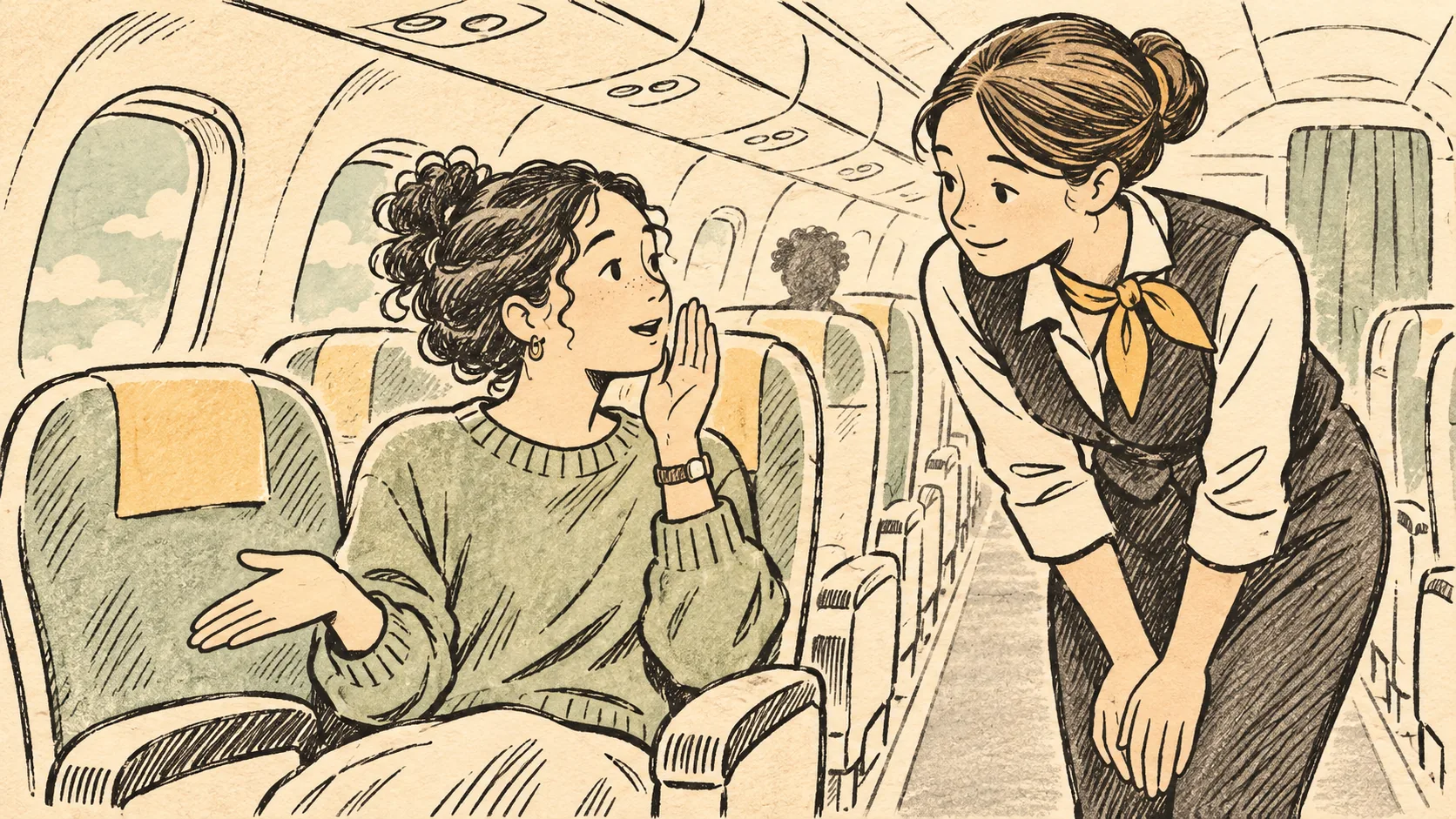
Here’s what you can do.
Tell cabin crew as soon as you can
Say what the other passenger is doing and where you are seated. If speaking openly feels difficult, ask a crew member for a quiet word when it is safe to do so. Tell them clearly if someone has threatened or touched you, and ask what they can do to help you feel safer. Crew can assess behaviour on board under the airline's safety procedures; they cannot help with an incident they do not know about. Follow their safety instructions, including when the seat-belt sign is on.
Keep a note without taking risks
Once safe, note the flight number, seat number, time, what was said or done and any witnesses you know about. You do not need photos, video or other proof before reporting. Do not confront or follow the person to gather details. If the behaviour continues, tell crew again. Airlines may record safety incidents; asking crew to note your account may help explain what happened later, but do not assume a particular outcome.
Get the right help after landing
If you land in the UK and are in immediate danger, call 999; otherwise, you can contact police online or on 101 from within the UK. Tell the airline what happened, especially if you need to raise a concern about its response. If you are abroad, use the local emergency services for immediate danger and local police for a possible crime; GOV.UK advises that reporting before leaving a country may matter for an investigation. You can still seek UK victim support after returning. An upsetting incident does not automatically meet the legal definition of harassment, but you can describe the behaviour and ask for advice.
Your quick checklist.
Tick what you’ve done. This stays on this page.
0 of 3 markedDownload a short text copy to read without internet. It cannot call or alert anyone.
A few things explained.
What if it was unwanted comments rather than an assault?
Tell cabin crew how the behaviour is affecting you. You do not need to name an offence. The CAA says disruptive behaviour can distress fellow passengers; whether a crime occurred depends on the facts. If it continues, tell crew again.
Do I need a recording before I report it?
No. Police guidance says you do not need to collect evidence before reporting stalking or harassment. If it is safe, note the flight, seat, time, words or actions and witnesses you remember. Do not delay getting help to film someone.
What if my flight lands outside the UK?
If you fear for your safety, contact the destination country's emergency services after landing. For a possible crime, ask local police how to report it; GOV.UK says reporting before leaving the country may matter if you want an investigation there. You can also tell the airline and seek UK victim support when you return.