I was physically assaulted in public. What should I do?
Someone hits or pushes you outside a takeaway, in a pub or on the street. Afterwards, you may be unsure whether to seek medical help or start a police report. This guide covers physical assault in England: deal with danger and urgent health needs first, then explain what happened and ask for support. Violence can affect you emotionally as well as physically, and having no visible injury does not mean you cannot report it. The person who used violence is responsible for their actions.
ishowcrime desk
Sources checked 26 October 2026
Here’s what you can do.
Get urgent help before collecting details
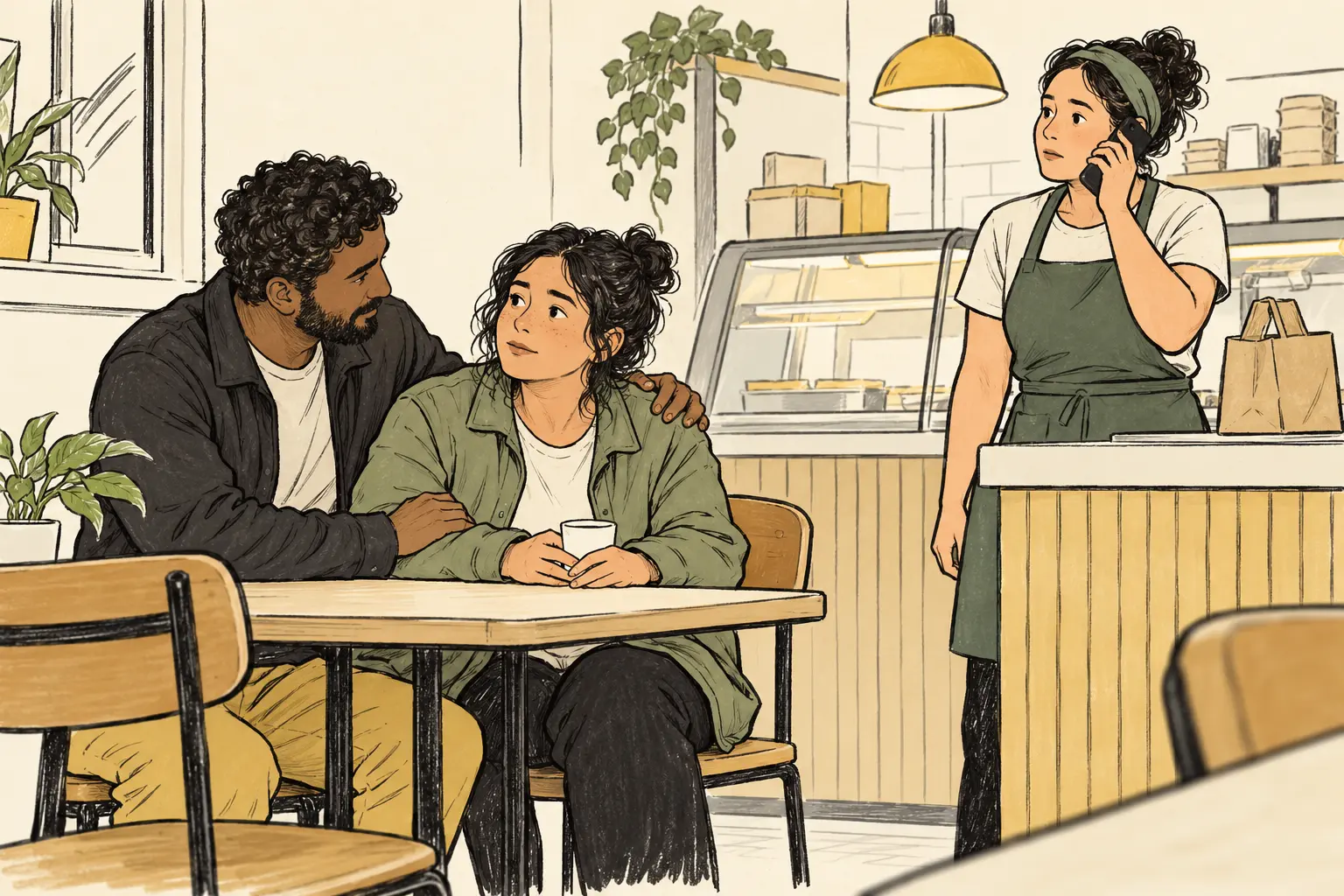
Move away from the person if you can do so safely, and ask nearby staff or someone you trust for help. Do not confront or follow them. Call 999 for violence happening now, immediate danger or a life-threatening medical emergency. Explain where you are, what happened and whether anyone is injured. Follow the call handler's instructions; do not delay an emergency call to take photographs.
Take symptoms after a head injury seriously
After a hit to the head, call 999 if someone has not woken up, cannot stay awake, has a seizure, or develops problems with walking or speaking. These are examples, not a complete list. If there are no 999 warning signs, contact NHS 111 for vomiting, dizziness, blood-thinning medicine or a blood-thinning condition, alcohol or drug use at the time, or other worrying symptoms. If told to attend A&E, do not drive yourself after a head injury. The NHS page below gives the full warning signs.
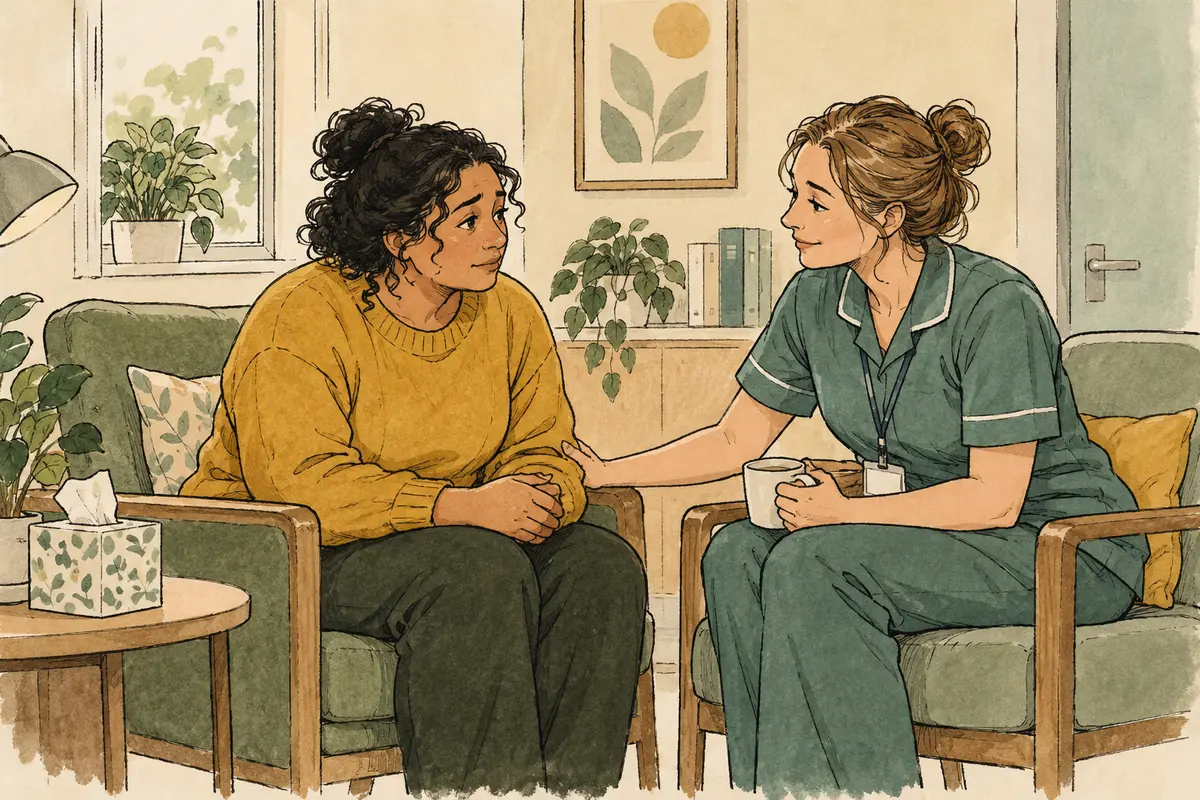
Report what happened and ask for support
Once the immediate emergency has passed, report through 101 or your police force's official website. The Met's assault-reporting page asks for the date, time, witness contact details and any evidence information you have. Tell police where it happened and about possible CCTV. This gives them leads to assess; you do not have to investigate it yourself. If you are struggling afterwards, Victim Support can help even without a police report. If the violence caused an injury, check the official criminal-injuries compensation scheme as well. Applying is free, but it is a separate process with eligibility rules. Unlike getting support from Victim Support, a compensation application requires the crime to have been reported to police.
Your quick checklist.
Tick what you’ve done. This stays on this page.
0 of 3 markedDownload a short text copy to read without internet. It cannot call or alert anyone.
A few things explained.
Can I report an assault if there is no bruise or mark?
Yes. Official police guidance says being hit without a visible mark can still amount to an offence. Describe the contact, threats and circumstances; police can assess the legal category. You do not need to decide the offence name yourself.
Will police photograph my injuries?
They may, but it is not automatic. The investigating officer decides whether photographs are needed. Official police guidance explains that hospital or GP notes may sometimes provide the evidence needed instead. Tell the officer about treatment you received and ask how any injury evidence should be recorded.
Where can I find support, and could I claim compensation?
Victim Support can help even without a police report or long after an assault. Call its free 24-hour Supportline on 0808 168 9111 or use live chat. Ask about confidentiality and safeguarding limits. Children should tell a safe adult. Compensation has separate rules. For a violent crime in England, GOV.UK says to apply as soon as reasonably practicable, usually within two years. You do not need to wait for the police investigation or court case to finish. Some late claims may be considered, including childhood abuse or where health prevented an earlier application; check the official guidance rather than assuming you are too late. Injury and nationality or residence requirements also apply, so being assaulted does not automatically qualify you for payment. The linked scheme covers England, Wales and Scotland; Northern Ireland has a different process.