Someone keeps moving closer to me on a London bus. What can I do?
On a London bus, a passenger repeatedly comes closer when you change seats. You may not know why they are doing it or whether an offence has happened. You can still ask for help. Move towards other passengers or the front if it feels safer, and tell the driver when the bus is stopped. Describe what the person did without guessing their intentions. For a non-emergency bus incident, TfL directs passengers to the Metropolitan Police online or on 101; if you are in immediate danger, call 999. TfL also has a route for reporting sexual harassment, including behaviour that made you uncomfortable even when you are unsure whether it was a crime.
ishowcrime desk
Sources checked 27 November 2026
Here’s what you can do.
Move towards help without confronting them
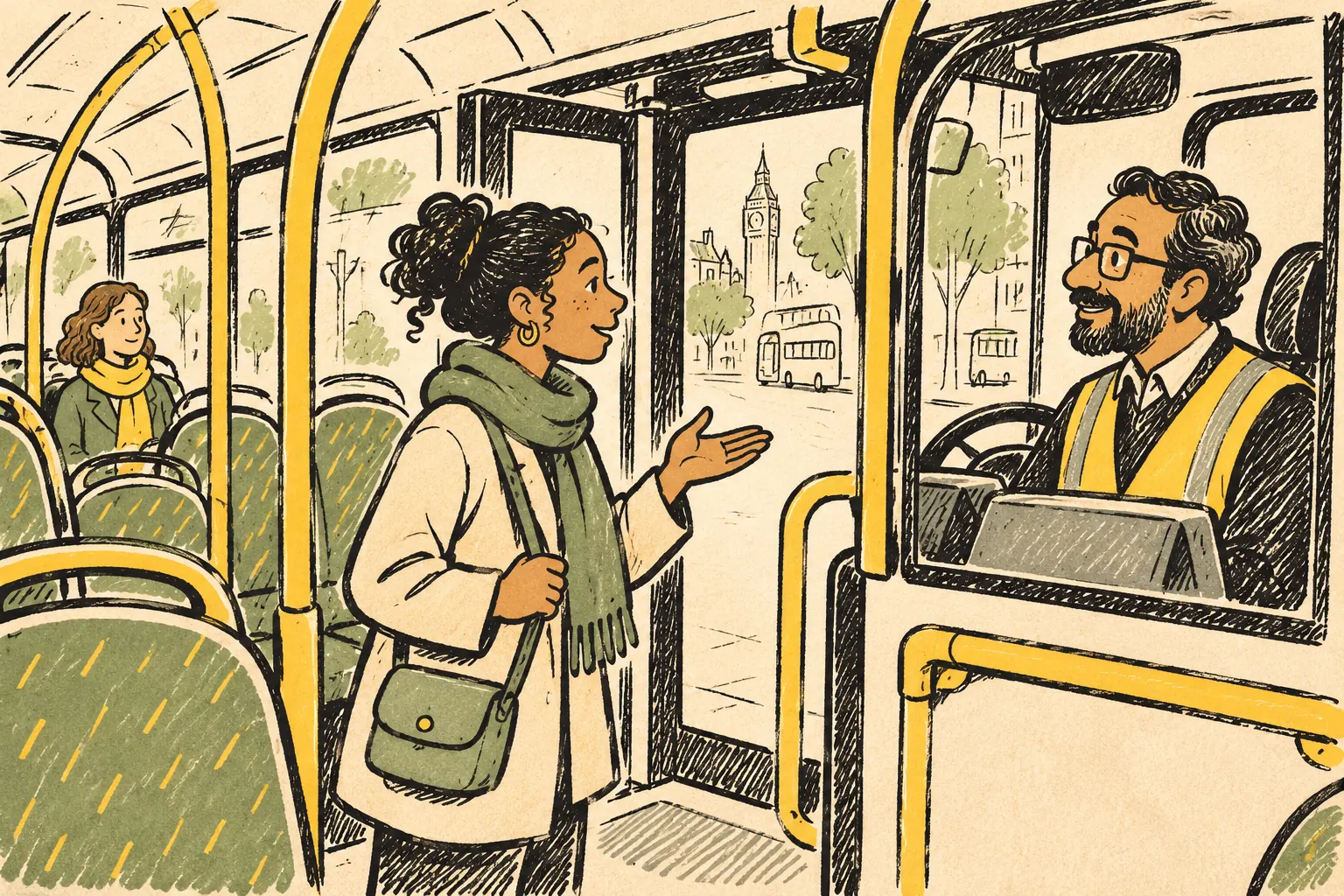
If you can, move towards other passengers or the front of the bus. When the bus stops, tell the driver plainly that the person keeps coming closer after you change seats and that you need help. You do not need to challenge the person or take a photo. If getting off would leave you somewhere isolated, ask the driver or a trusted person for help planning a safer next step. If you are in immediate danger, call 999.
Note the journey details when safe
Record the bus route, direction, approximate time, stop or place, and what happened when you changed seats. If you know the bus registration, add it, but do not delay seeking help to find it. TfL says even a small piece of information can help with other reports or CCTV. If there were sexual comments, unwanted touching or another specific act, describe it in your own words; do not assume the person's motive from their appearance.
Use the bus reporting route and ask for support
For a non-emergency incident on a London bus, report through the Metropolitan Police website or call 101. TfL's sexual-harassment reporting page can direct you to the right place if the behaviour was sexual or you are unsure how to describe it. Report promptly because transport CCTV is kept for a limited time. BTP's 61016 text service is for rail, not buses. If a crime is happening, someone is threatening you or you are in immediate danger, use 999 instead of waiting for an online reply.
Your quick checklist.
Tick what you’ve done. This stays on this page.
0 of 3 markedDownload a short text copy to read without internet. It cannot call or alert anyone.
A few things explained.
Is it a crime if someone sits closer after I move?
Moving seats alone does not prove a crime or tell you what the person intended. Explain the repeated behaviour and how it affected you. TfL says it wants reports of behaviour that made you uncomfortable even if you are unsure whether it was a crime, especially when it involves sexual comments, following or unwanted contact.
Should I text 61016 from a London bus?
No. British Transport Police says 61016 is for rail incidents and directs bus concerns to local police on 101. TfL directs London bus incidents to the Metropolitan Police website or 101. If you are in immediate danger, call 999.
What if I only remember the route and a rough time?
Report what you know. The route, direction, stops, approximate time and a description of the behaviour can help police identify the journey and possible footage. TfL says even a small piece of information may help. Do not risk staying near the person to collect more details.