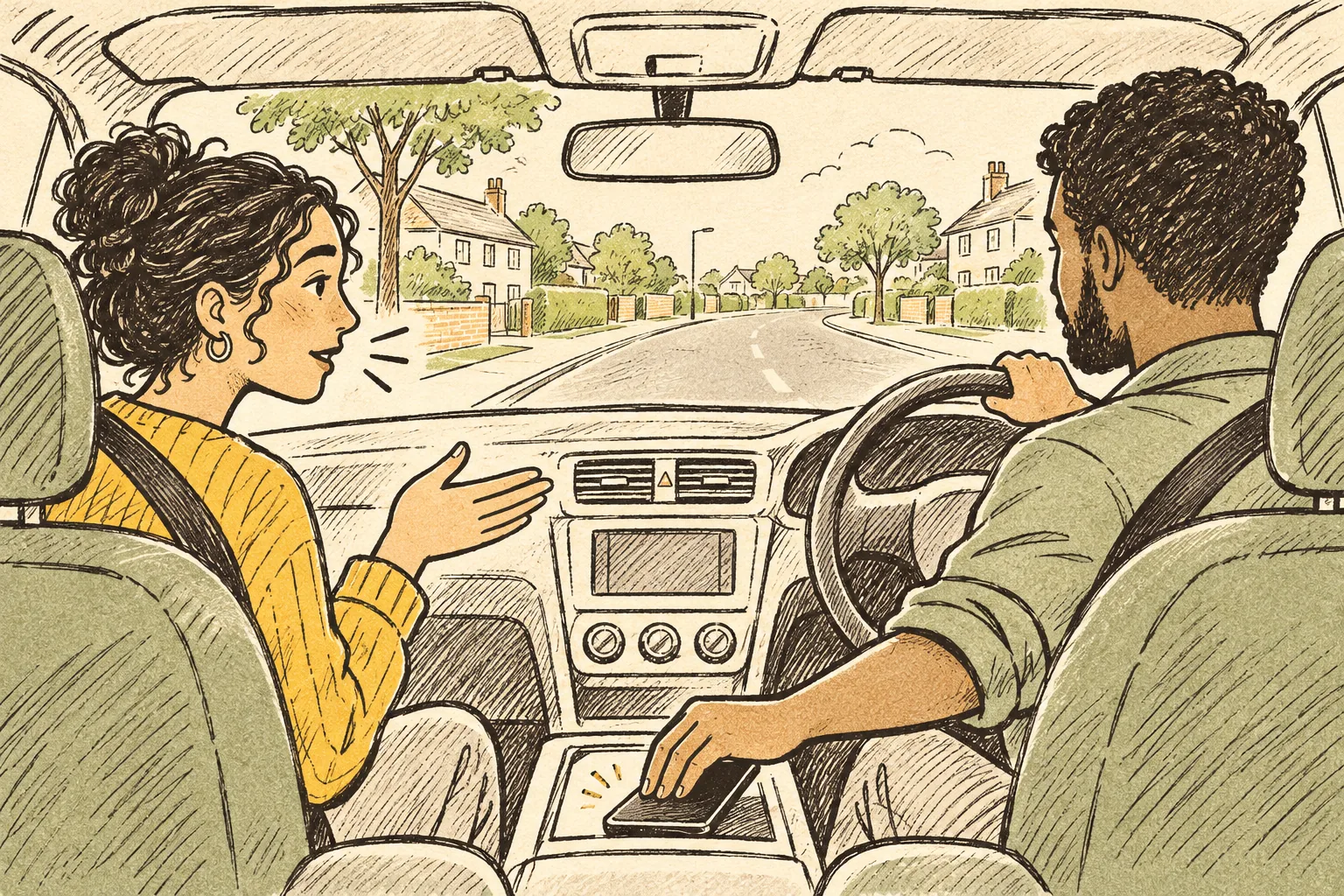
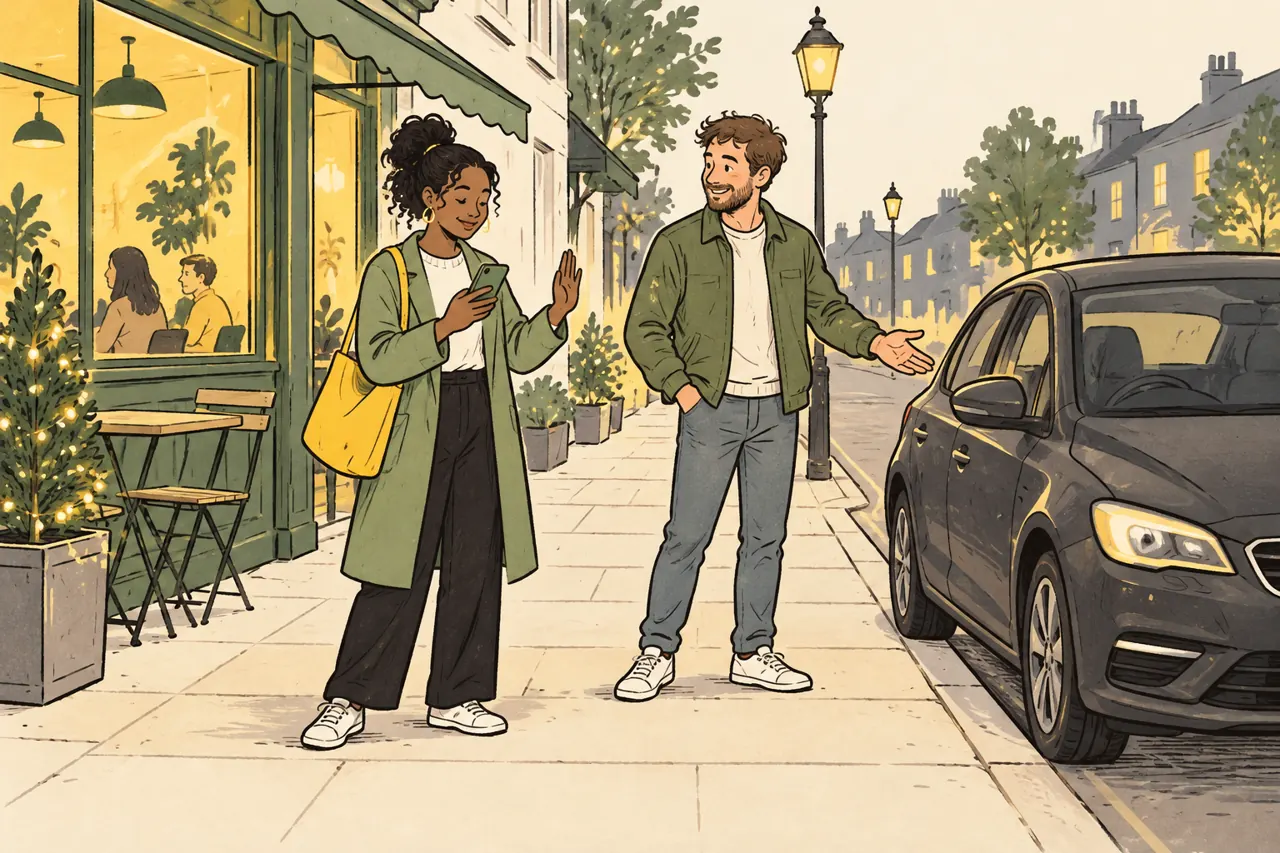
A driver tells me not to wear a seat belt. What can I do?
Imagine you get into a car and the driver says, “It’s only a short trip—leave the belt off.” You can fasten an available belt before the car moves and say you will not travel without it. In Great Britain and Northern Ireland, passengers aged 14 or over are normally responsible for wearing an available seat belt; the driver is responsible for children under 14. Some legal exemptions and vehicles have different rules, but a short familiar journey is not an exemption. If the driver keeps pressing you, focus on getting to a safe stop and finding another way to travel.
ishowcrime desk
Sources checked 14 November 2026
Here’s what you can do.
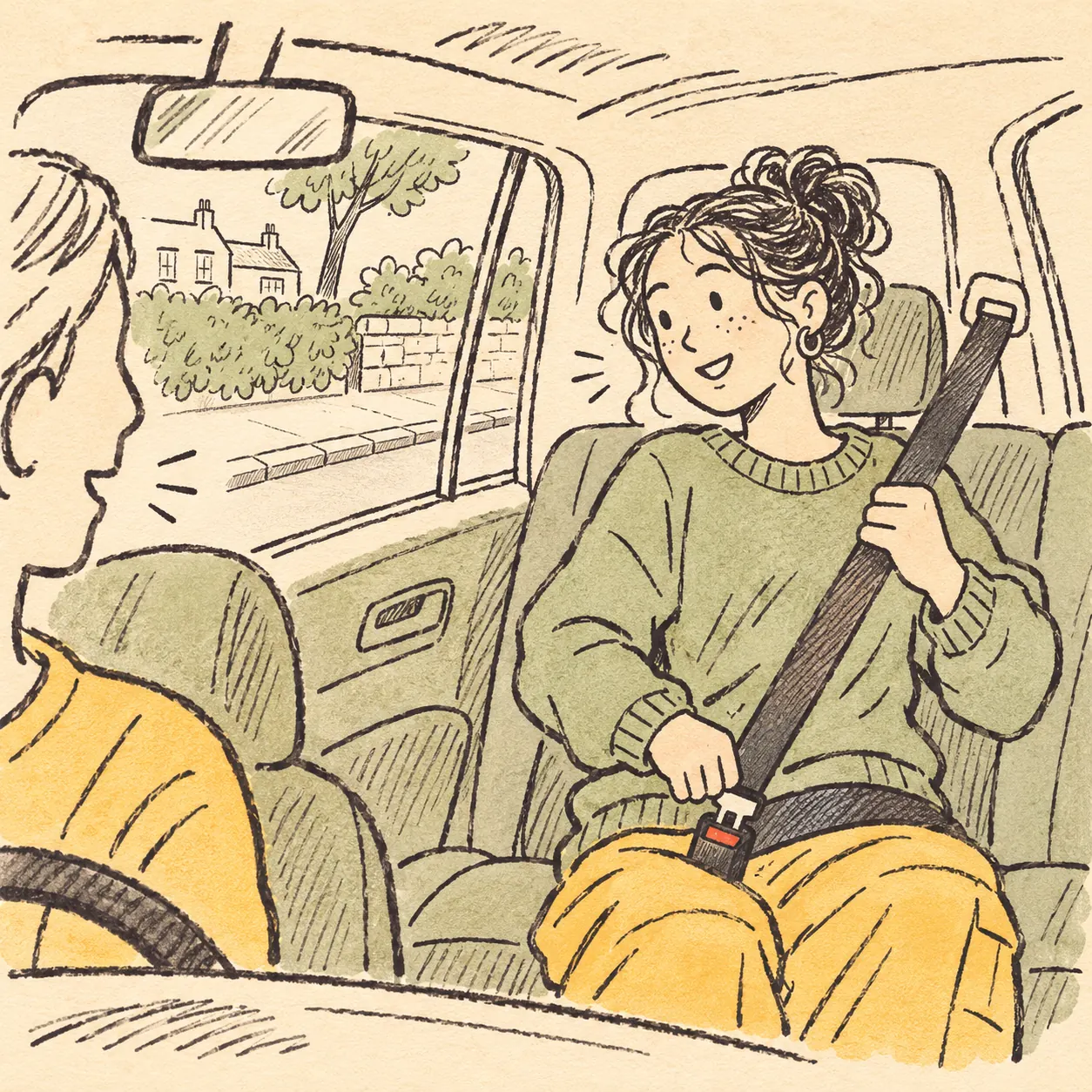
Fasten the right restraint before setting off
Check that your seat has an available belt and put it on properly before the driver leaves. If you are travelling with a child, the restraint depends on their age, height and vehicle; the driver must ensure children under 14 are properly restrained where required. An adult passenger aged 14 or over is normally responsible for their own belt. The Highway Code and Northern Ireland’s code set out the exceptions, including medical exemptions; do not assume the driver’s “short trip” comment changes the rule. If a belt is missing, damaged or cannot be fastened, say so and arrange a different safe seat or journey.
Ask for a safe stop if the pressure continues
Say plainly, “I want to wear my belt.” If the driver refuses or starts moving while you are unrestrained, ask them to stop in a safe place so you can leave and arrange another journey. If you are already belted, keep it fastened until the car is safely stopped. Do not reach for the steering wheel, handbrake or door while the vehicle is moving. A trusted person, a booked taxi or public transport may be an alternative. If the driver threatens you or you are in immediate danger, call 999 when you can do so safely.
Record and report a serious concern once safe
After you are safe, write down the time, place, vehicle registration and what the driver said or did, if you know them. Do not put yourself at risk to collect evidence. You can report a non-urgent road traffic concern to the local police online where available or on 101; use 999 for immediate danger. If it was a booked taxi or minicab, tell the operator too. Report facts you observed without assuming an offence has been proved. If a child was placed at risk, explain their age and where they were seated so the relevant restraint rule can be checked.
Your quick checklist.
Tick what you’ve done. This stays on this page.
0 of 3 markedDownload a short text copy to read without internet. It cannot call or alert anyone.
A few things explained.
Do passengers need a seat belt in a taxi or minicab?
Yes, where one is provided, passengers normally must wear it. A driver’s exemption while carrying passengers is separate from the passenger’s rule. Check a child’s restraint requirements before travel.
Who is responsible for a child’s seat belt?
In cars and vans, the driver must ensure children under 14 use the required belt or suitable child restraint. Passengers aged 14 or over are normally responsible for their own belt. Specific taxi and other exceptions are set out in the Highway Code and Northern Ireland’s code.
What if the driver has already set off?
Keep any belt you are wearing fastened, calmly ask the driver to stop safely, and arrange another way to travel if needed. Do not touch the vehicle’s controls or try to get out while it is moving. Call 999 if you face immediate danger.