Friends want me to carry a knife. What can I do?
I can ask for help if someone wants me to carry or hide a weapon. I can tell a safe adult, even if I already said yes. Being pressured is not my fault.
ishowcrime desk
Sources checked 31 October 2026
Here’s what you can do.
Do not carry it
I do not need to carry or hide a weapon for someone. I can leave if it is safe.
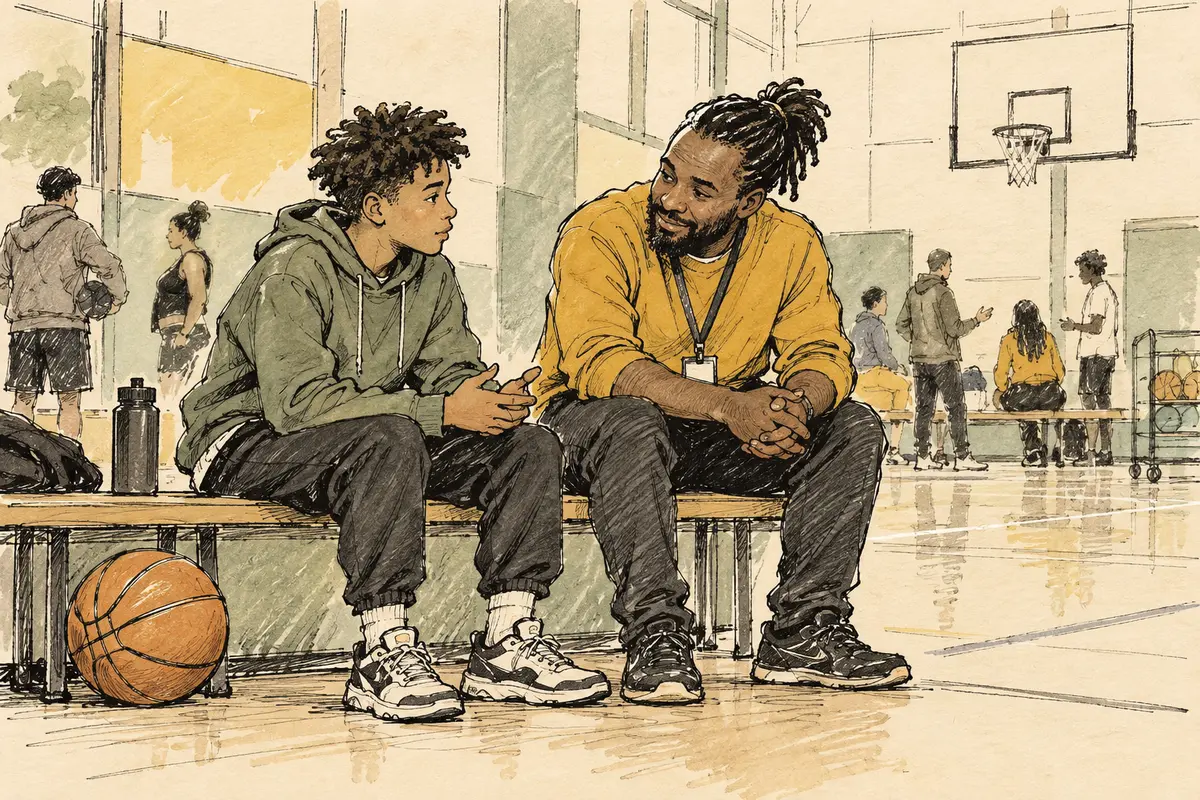
Tell a safe adult what is happening
I can tell a safe adult about the pressure and threats, or write a private note. If leaving the group feels unsafe, we can plan who to call and where to go for help. Keep the plan somewhere safe. I can ask what my helper may need to tell someone else.
Get help even if you already agreed
I can call Childline on 0800 1111 or use its online chat. I can send a message, but replies take time. Call 999 for danger now. If I have a weapon, ask for safe help; do not take it to school.
Your quick checklist.
Tick what you’ve done. This stays on this page.
0 of 3 markedDownload a short text copy to read without internet. It cannot call or alert anyone.
A few things explained.
How can I refuse and ask for help privately?
If it is safe, keep it brief. Childline suggests practising a refusal or using an excuse to leave, such as needing to get home. You do not owe the group a debate. You can ask a Childline counsellor about confidentiality before explaining the pressure. Childline has different rules from a school: it can keep some things private that a teacher may need to pass on. It may still share information in specified situations, including a life being in danger, plans to seriously hurt someone, certain safeguarding concerns or a legal requirement. It will try to discuss this with you first. Calls do not appear on UK phone bills, but Childline can see your phone number or, online, your IP address, and counsellors keep notes. Confidential does not mean that no information is recorded.
How can a parent or carer help?
Listen and keep the conversation open. A young person pressured to carry or store a weapon may need safeguarding support as well as help dealing with the immediate risk. Contact the school's safeguarding lead or local children's services. NSPCC's helpline on 0808 800 5000 can also advise; check the linked page for current opening times. Do not wait for a helpline response if danger is increasing: contact police or children's services directly. Call 999 for immediate danger.
Will carrying a knife keep me safe?
No. A weapon can turn a tense situation into serious harm. Childline recommends seeking support from a trusted adult or counsellor, not carrying a weapon for protection. If a group makes you feel trapped, Childline can help you talk through your options. SafeCall also offers free support on 116 000: its contact page lists phone support every day from 10am–5pm and text support from 10am–10pm. It is run by Missing People and can help you explore your options. Ask about confidentiality before explaining if that worries you. Texts sent outside opening hours are answered after reopening; call 999 for immediate danger rather than waiting for a reply.