My family is pressuring me to withdraw as a witness. What can I do?
A relative asks you to change your account or stop helping a case, and you feel afraid of what will happen if you refuse. Tell the police about the pressure promptly. You do not have to handle it within the family. In England and Wales, witness support and court arrangements can be assessed alongside the safety concern.
ishowcrime desk
Sources checked 29 October 2026
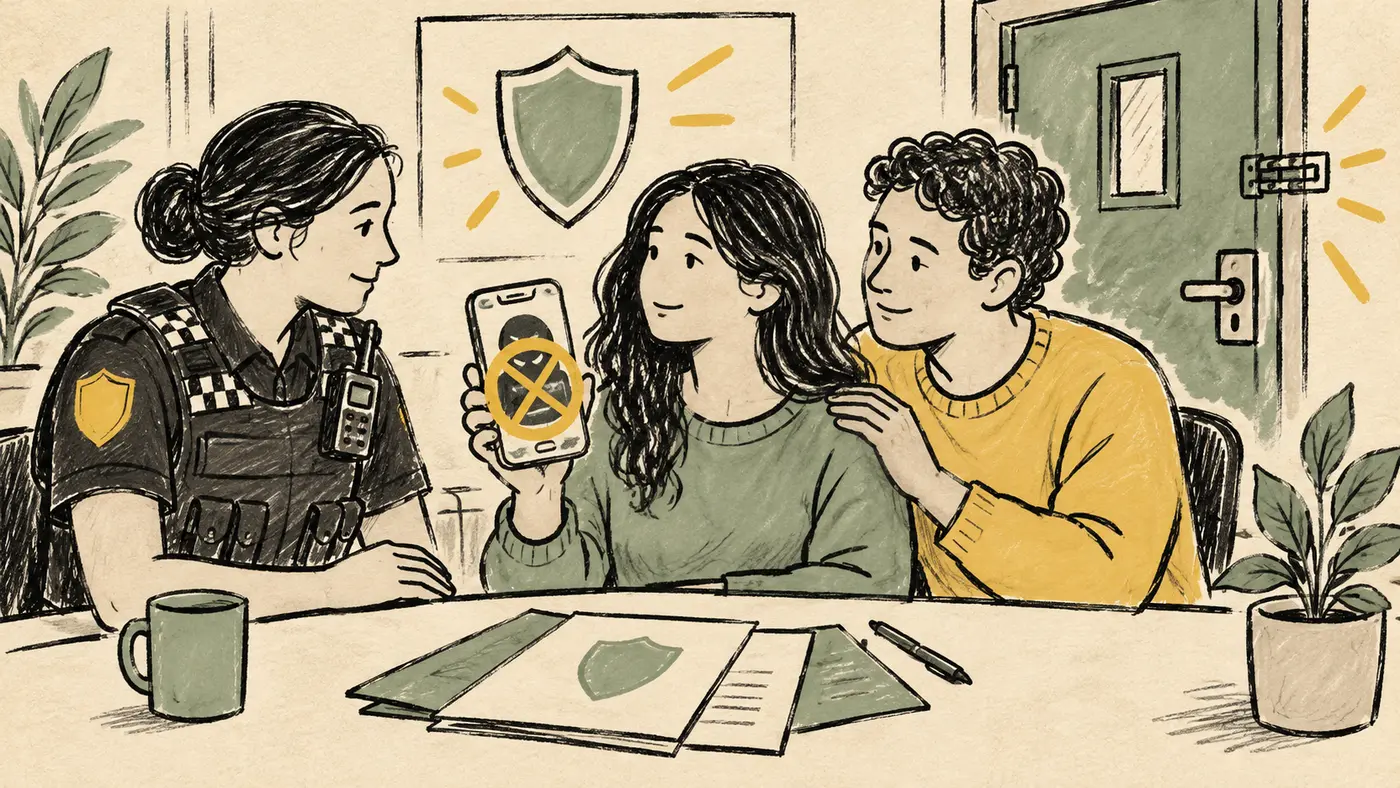
Here’s what you can do.
Tell the case contact promptly
Tell the investigating officer who approached you, what was said and why you feel unsafe. Prosecution witnesses can also contact their Witness Care Unit. Report intimidation even if the case has not reached trial: police need to know about the risk so they can assess safety and inform the prosecution where appropriate.
Keep safe details
Keep messages, call details and dates if safe, without meeting or confronting the person. Explain any concern about your home, children or bail conditions. If you have already changed your account because of pressure, tell the officer what happened. If you are also the victim and police are considering release on bail before charge, they must seek your views on conditions where reasonably practicable. Explain the contact you fear. If conditions are imposed, ask the investigator to explain them and what to do if they are breached. Report suspected breaches to police; do not confront the person. Your views help police assess risk, but you do not decide the conditions.
Ask about protection and support
Ask about a needs assessment and support for giving evidence. Explain fear, communication needs and difficulties travelling to court. Your witness care officer, or the defence lawyer if you are a defence witness, can help with a referral. A pre-trial visit can show you the courtroom and waiting area, so the setting is less unfamiliar. Special measures may help you give evidence, but the court decides what is appropriate. Tell your case contact before the hearing if you fear meeting someone at court. Ask about arrival arrangements and the witness waiting area. If a separate entrance has been agreed, the Witness Service can show it to you during a visit. Waiting areas may contain other witnesses; raise any concerns with staff. These arrangements are separate from how you give evidence.
Your quick checklist.
Tick what you’ve done. This stays on this page.
0 of 3 markedDownload a short text copy to read without internet. It cannot call or alert anyone.
A few things explained.
What can special measures actually do?
They can include a screen, a live video link or communication support. A video link does not mean the defendant cannot see you. Explain what worries you when asking for support; the trial judge decides which arrangements will be available. Ask about a pre-trial visit so you can discuss how any agreed arrangements will work. A screen or video link does not settle every concern about arriving or waiting at court. Tell your case contact about those worries too, so practical arrangements can be discussed alongside any application for special measures.
What if I am a defence witness?
Report intimidation to police too. For help giving evidence and an application for special measures, speak to the defence lawyer rather than relying on a prosecution Witness Care Unit. They are also the contact for travel difficulties or an interpreter. Prosecution witnesses should ask their witness care officer about travel and accessibility, and the CPS about language interpretation. Raise these needs before the trial. The Witness Service, run by Victim Support, supports both prosecution and defence witnesses. If you live in London or will give evidence in a London court, its current guidance directs you to the Pre-trial Witness Support Service for help before trial. The Witness Service still provides support at court on the day. Use the linked referral guidance to reach the right service.
What if I have already said I want to withdraw?
Tell police about any fear or pressure behind that decision. CPS domestic-abuse guidance says the reasons and safety risks must be examined, and a case may still proceed if sufficient evidence remains. Ask the case contact or your legal representative to explain your position.