Targeted because of disability? How to report it in a way that works for you
Someone mocks your disability and threatens you on a bus, or repeatedly targets your mobility aid. The words and actions matter, and so does any reason you think disability was involved. You do not have to prove a hate crime before asking police to record and assess what happened. Not every rude act is a crime; describe the facts and your concern without guessing a legal label. Choose a reporting route you can use. In England, online, phone and supported third-party options are available; Scotland has its own police form and third-party centres. Tell the service what communication or access support you need.
ishowcrime desk
Sources checked 8 November 2026
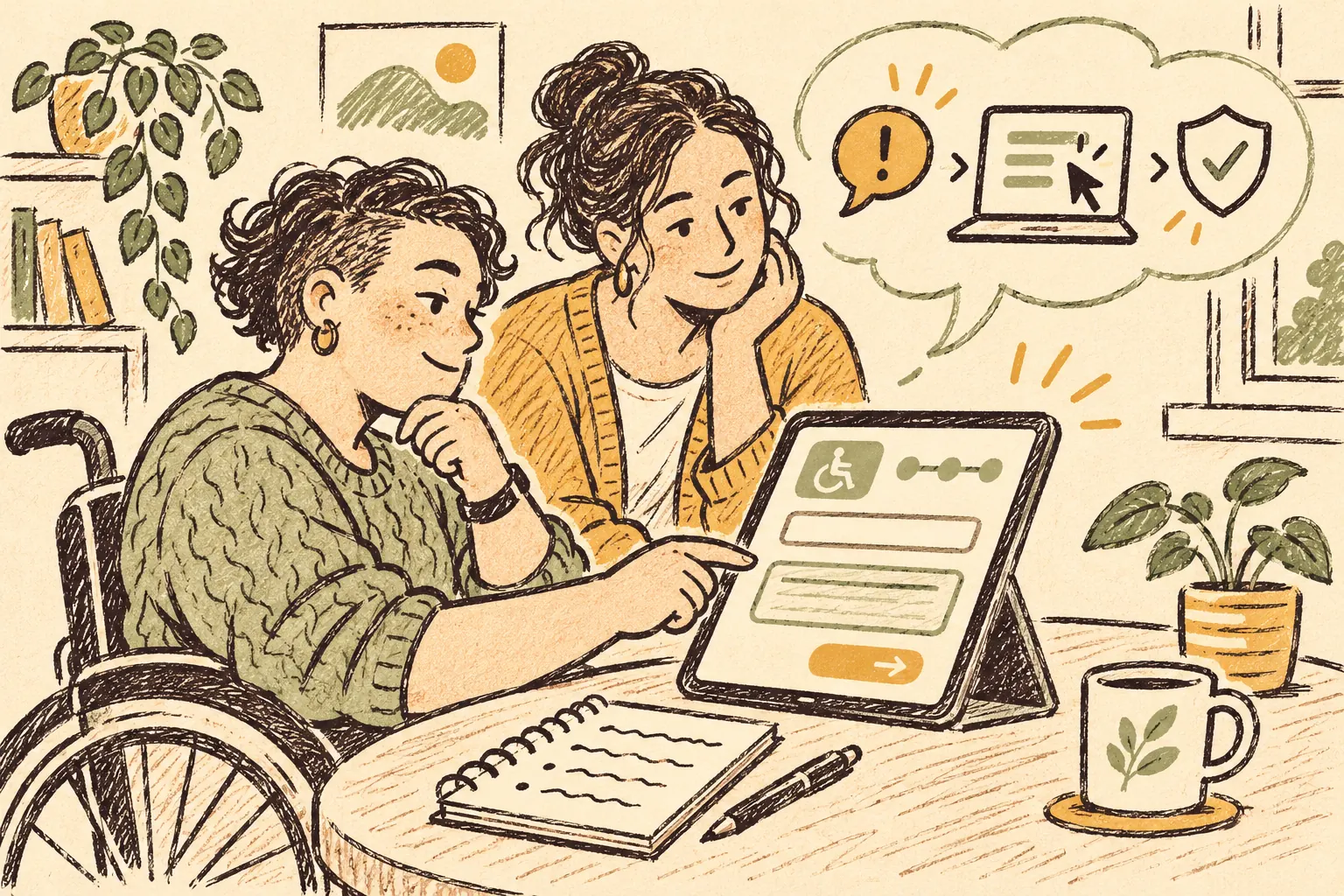
Here’s what you can do.
Get safe and note the disability link
If you or someone else is in immediate danger, call 999. For a non-emergency, move to a safe place and write down what happened, where and when, the exact words you recall and why you think disability or perceived disability was involved. Keep any messages or photos you already have; do not approach someone or delay a report to collect more. The CPS says disability is one of the recognised hate-crime strands and that the police investigate whether a crime and a hate element can be evidenced. You do not have to settle that question yourself. If it happens again, note each incident and any reference numbers. A single act may need help, while a pattern can also matter. Tell the reporter what support you need to communicate clearly.
Choose an accessible reporting route
In England, you can report a hate incident online through the police-run True Vision route, by calling 101 or at a police station. Citizens Advice says an easy-read reporting form is available and Relay UK can be used for 101 by dialling 18001 then 101 if you cannot hear or speak on a standard call. Ask for the incident reference number and say how it is safe and accessible to contact you. In Scotland, Police Scotland accepts reports online, by 101, in person and through trained Third Party Reporting Centres. It says you can have a support person present and can ask for language or BSL interpretation. For London emergencies, the Met lists pre-registered emergencySMS and 999 BSL options for hearing or speech impairments; check the official service instructions before relying on either.
Ask for support and follow up
You can ask a trusted person or local hate-crime support service to help explain your concern without speaking to police alone. Citizens Advice describes third-party reporting and says to keep your incident number for follow-up. Police Scotland says its centres can assist with a police report or make one on your behalf. Ask the service what information it will pass on and whether you can report without giving your name; arrangements vary. If the behaviour continues, update police with new dates or messages and the earlier reference. Ask how to get victim support and what will happen next. You can also use the related general hate-abuse guide for other specialist support routes. Reporting does not guarantee a charge or a particular outcome, but it gives police and support services the facts to assess.
Your quick checklist.
Tick what you’ve done. This stays on this page.
0 of 3 markedDownload a short text copy to read without internet. It cannot call or alert anyone.
A few things explained.
Must I prove the person was hostile to disability before police will take a report?
No. Describe the words, actions and why you believe disability or perceived disability played a part. The CPS says police investigate the evidence and prosecutors decide whether a case can be prosecuted as a hate crime. Citizens Advice says you do not have to show proof of prejudice to report a hate incident. An unpleasant experience is not automatically a criminal offence.
What if I cannot use an ordinary phone call?
In England, Citizens Advice lists police online reporting, an easy-read form and Relay UK for 101 (18001 then 101). In Scotland, Police Scotland lists its online form, third-party centres, BSL interpretation and support person. In London, the Met lists 999 BSL and pre-registered emergencySMS for relevant emergencies; the text option requires registration. Check the official service instructions and use another available emergency route if someone is in immediate danger.
Can someone help me make the report?
Yes. In England, Citizens Advice says a trusted person or third-party reporting centre can help; ask what it will share with police. Police Scotland says trained Third Party Reporting Centres can assist or report on your behalf. Tell them what communication support you want and how to contact you safely.