An online advert offers protected wildlife. How should I report it?
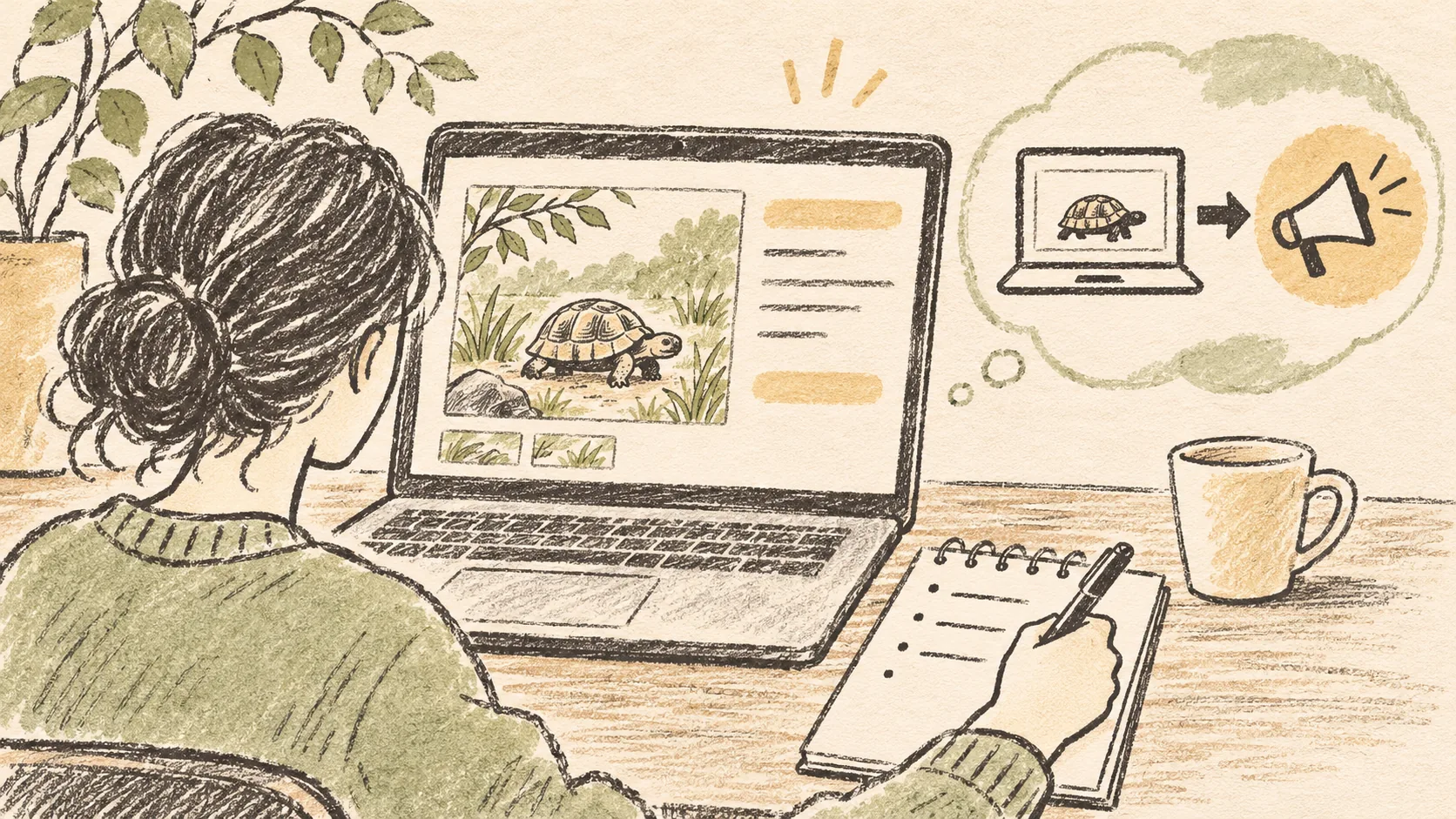
An advert offers a rare animal or a product made from one, but says little about its origin or paperwork. That is a reason to pause, not proof that the seller has broken the law. UK rules differ by species, whether the animal was captive bred, and whether it is being sold or moved across borders. Some trade needs certificates or permits; other trade may be allowed. You can give police the advert details without trying to identify the species or test the seller yourself.
ishowcrime desk
Sources checked 18 November 2026
Here’s what you can do.
Pause before buying or contacting the seller
Do not pay, arrange a collection or send identity details while you are unsure about the advert. An unusual animal or a missing certificate in a photo does not by itself establish an offence. UK guidance says the rules depend on the species and the proposed trade: for example, commercial sale of some CITES-listed specimens needs an Article 10 certificate, while other categories have different rules. A seller's claim that an animal is captive bred is something an authority can assess, not something you need to settle through a private exchange.
Keep the advert details you already have
From a safe place, note the advert URL, platform, seller name as shown, date, description and any public photos or claims about origin or paperwork. A screenshot may help if the advert is removed. Do not meet the seller, ask for more images, or publish an accusation. The National Wildlife Crime Unit specifically asks whether someone is advertising an endangered species and says they may lack the required permits; police can decide what further checks are needed.
Report the concern through a proper route
Report a suspected UK wildlife-trade offence to your local police online or on 101, giving the details you kept and saying what you do not know. The Metropolitan Police's wildlife-crime form expressly includes trade in protected species and accepts concerns even when you are unsure a crime occurred. You can also report anonymously to Crimestoppers via the National Wildlife Crime Unit's link. Use 999 if someone is in immediate danger or violence is happening, not for an advert alone. If you already paid, tell police and contact your bank or payment provider promptly; do not try to recover an animal yourself.
Your quick checklist.
Tick what you’ve done. This stays on this page.
0 of 3 markedDownload a short text copy to read without internet. It cannot call or alert anyone.
A few things explained.
Does every advert for a rare animal break the law?
No. GOV.UK says the rules vary by species, origin and how the specimen is used. For some Annex A CITES specimens, a seller needs a valid certificate before commercial sale; Annex B rules are different, and other wildlife laws may apply. An advert alone cannot settle those facts. Report the details if you are concerned rather than making a public allegation.
What details should I include in a report?
Give the advert link, where and when you saw it, the seller details visible on the page and the words or pictures that concerned you. Say if the species or location is uncertain. The police can assess a possible wildlife crime; you do not need to pose as a buyer or contact the seller for proof.
What if I have already paid or received the animal?
Contact your bank or payment provider promptly if you think you were deceived, and tell police what happened. If you have received a live animal, ask police or the relevant wildlife authority for advice about lawful handling and welfare; do not release it into the wild or try to return it to an unknown seller. This guide cannot determine the animal's legal status from a listing.