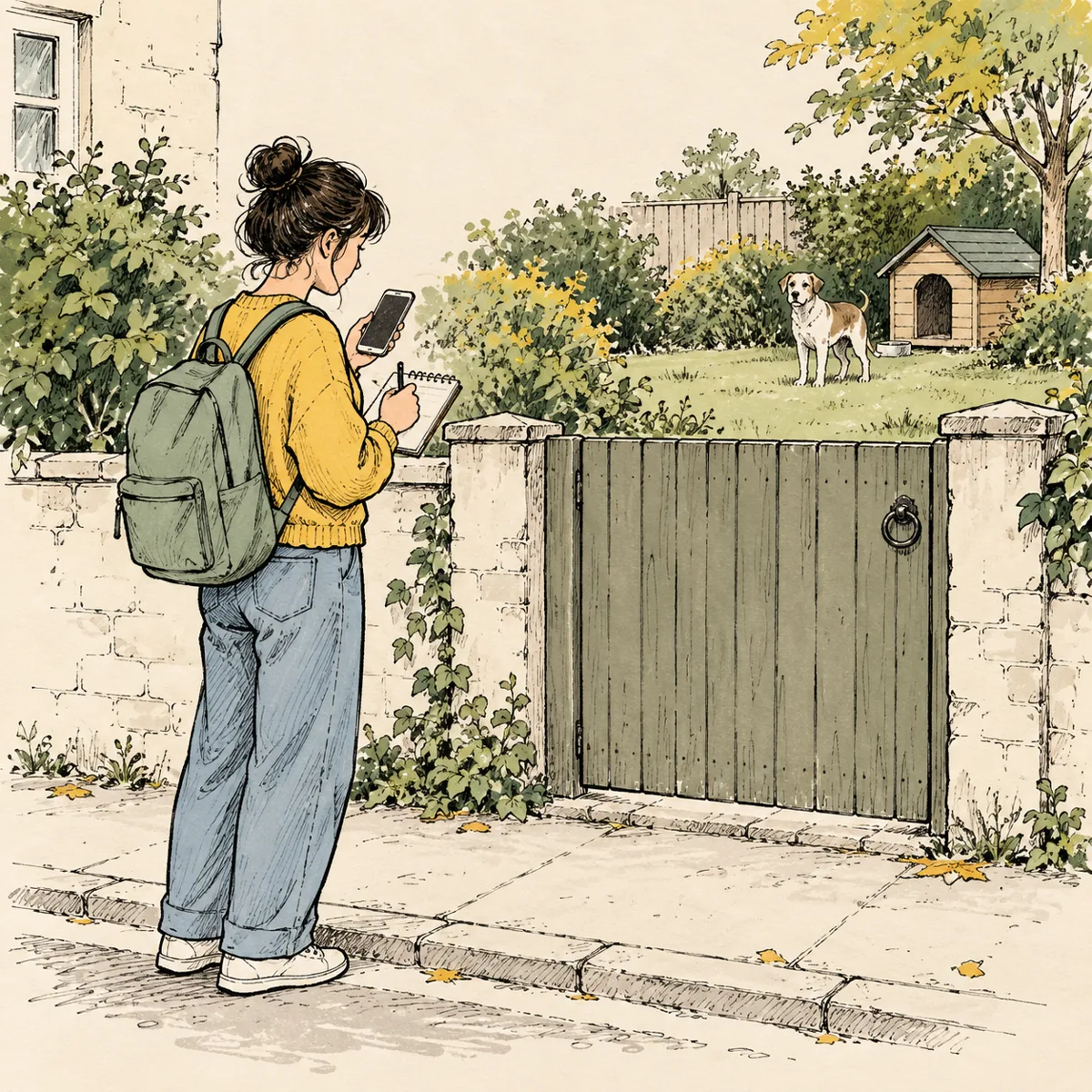
How can I report suspected animal fighting safely?
You receive a message advertising an animal fight, or see something that makes you suspect animals are being forced to fight. Organised fighting involves deliberate cruelty and can be linked to gambling. RSPCA investigates dog and bird fighting, including cases organised through social media. You do not need to attend an event or prove an offence yourself. Report what you know and explain what remains uncertain. This guide covers England and Wales.
ishowcrime desk
Sources checked 25 October 2026

Here’s what you can do.
Keep away and assess urgency
Do not attend a suspected fight, enter private land, confront people or try to remove animals. If you are already nearby, move to a safe place. Gathering more evidence is not worth putting yourself or others at risk. Call 999 if a crime is happening now or someone is in immediate danger. Explain the location and what is happening. For a non-emergency police report, use 101 or the official online route linked below. Do not wait for a charity response when emergency police help is needed.
Explain what you actually know
Write down the location, date and time you know, and describe what you saw or received. Distinguish your own observations from a rumour or someone else's account. If a message gives a future time or place, make that clear; do not visit to check it. Keep the original message or web address available for the reporting service. Avoid posting accusations about people online. In the Met's area, its wildlife reporting page directs concerns about planned events, second-hand information and uncertain offences to a separate information route.
Use the specialist reporting route
RSPCA's animal-fighting page asks people with suspicions to call 0300 123 8960 in confidence or report to police. Use that specialist route for suspected organised fighting in England or Wales. Explain any concern about your own safety when reporting. If you encountered a cruel video, also use the platform's report function. World Animal Protection advises against watching, commenting on or sharing cruelty videos, even to condemn them: engagement can give the content more reach. Reporting the post and reporting a suspected real-world offence serve different purposes.
Your quick checklist.
Tick what you’ve done. This stays on this page.
0 of 3 markedDownload a short text copy to read without internet. It cannot call or alert anyone.
A few things explained.
Can I report something planned for later?
Yes. Tell police what you know about the proposed time and location without going there yourself. In the Met's area, use the information route linked from its wildlife-crime reporting page for something that has not happened yet, something you heard about or something you are unsure is a crime. Use 999 if the situation becomes an emergency.
Will reporting mean an immediate rescue or prosecution?
Do not assume so. RSPCA says organised-fighting investigations can take many months and do not always lead to prosecution. Public information can still help investigators. If circumstances change, explain the new information to the reporting service; call 999 for a crime in progress or immediate danger.
What if I already shared a fighting video?
Stop circulating it and report the original post through the platform's tools. Do not ask friends to replay it or add angry comments. World Animal Protection warns that even engagement intended to condemn cruelty can increase a video's reach. If it also gives you information about a suspected offence, pass that concern to police or RSPCA rather than investigating the people involved yourself.