I got a mail redirection notice I did not request. What should I do?
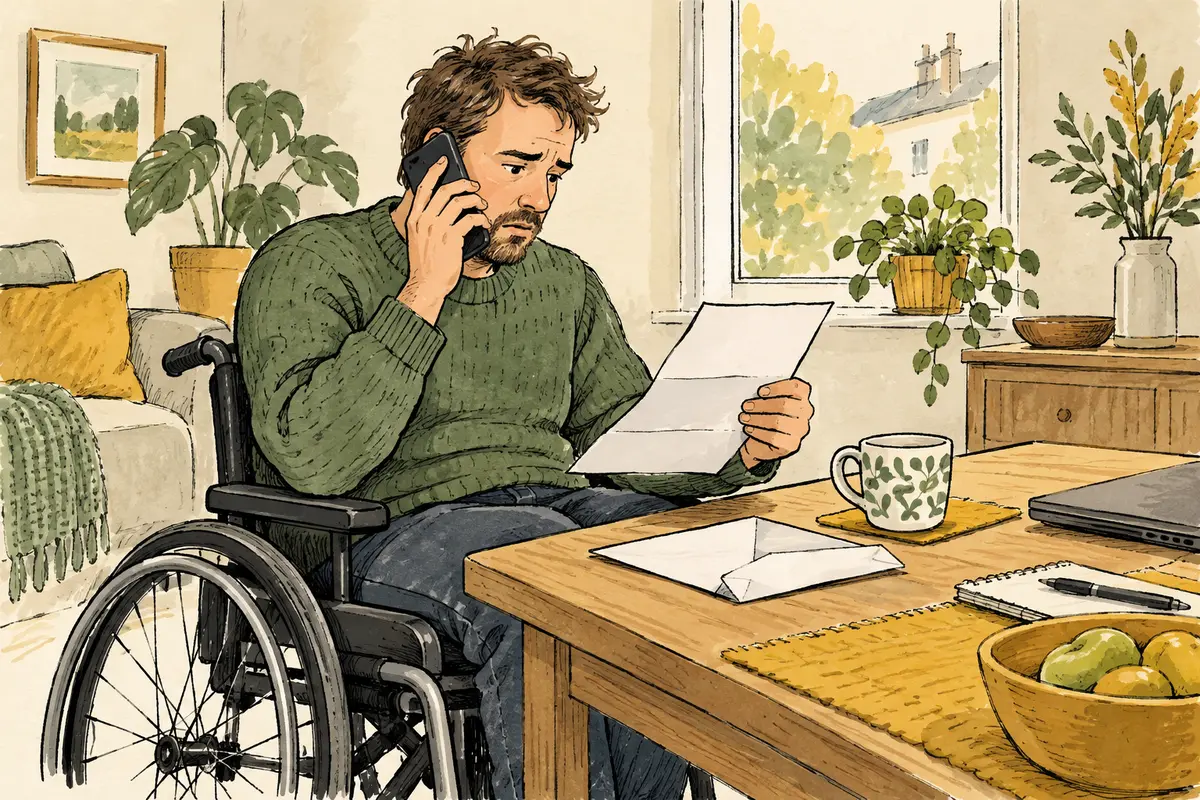
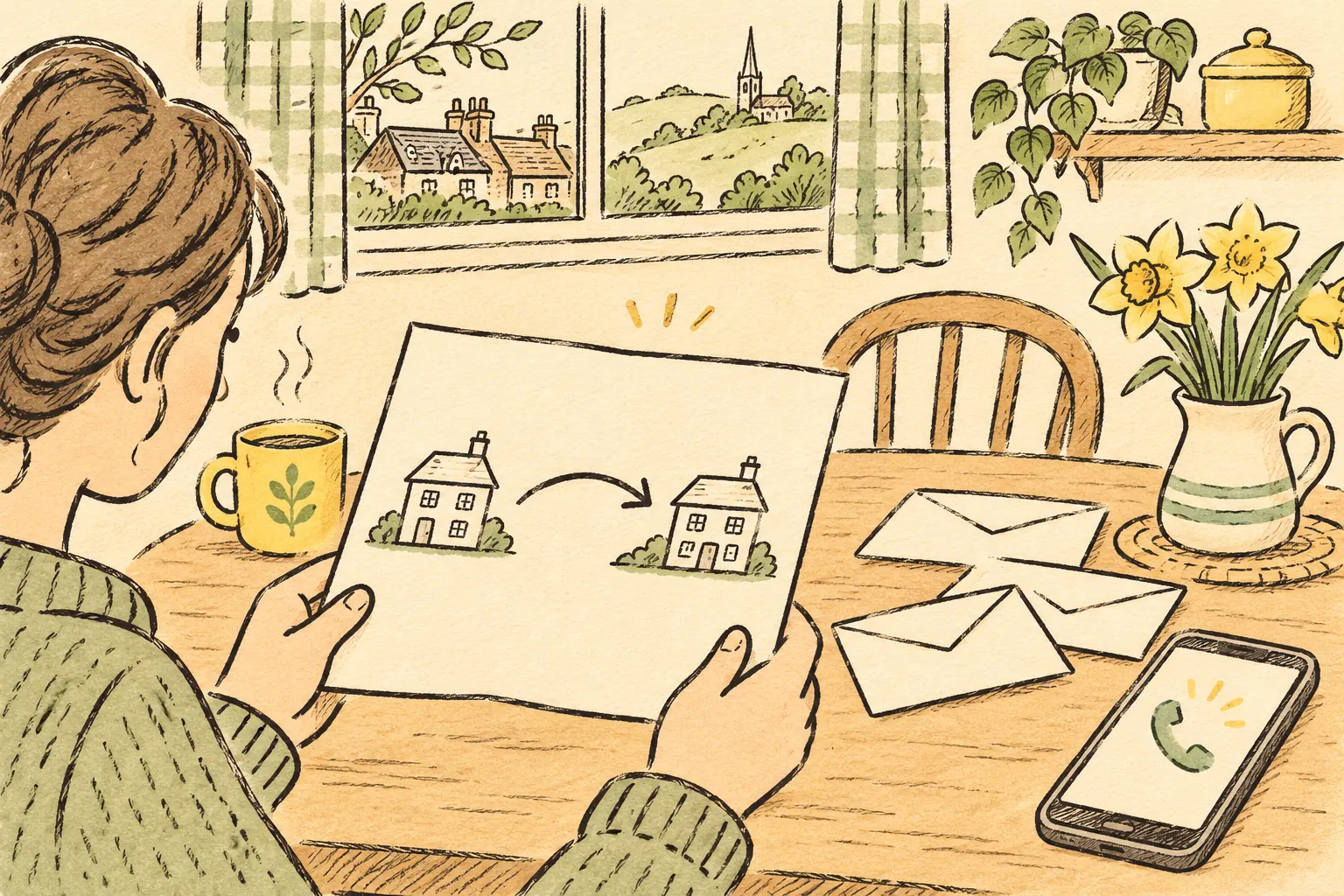
A Royal Mail letter says that post from your address is being redirected, but you did not arrange it. It may be a legitimate request by someone else at the address, a mistake or an attempt to divert mail. The notice alone does not prove fraud. It does deserve a prompt check, because letters and cards can carry details that someone could misuse. Royal Mail says it sends a security letter to the old address when a Redirection is set up. Keep the notice. Use Royal Mail’s own website or a contact route you look up yourself, rather than a number or link in an unexpected message, to ask what has happened.
ishowcrime desk
Sources checked 8 November 2026
Here’s what you can do.
Check the notice with Royal Mail
Keep the letter and note when it arrived. If it is safe, ask other people who live at the address whether they requested a Redirection; one household member’s request may explain a notice, but do not assume your own name is covered. Open Royal Mail’s Redirection Help Centre yourself and contact its customer service to ask whether a Redirection includes your name and how to challenge one you did not authorise. Ask what will happen to your post while they investigate. Do not use contact details from a separate unexpected text or email. Royal Mail’s security letter is intended to alert the old address to a Redirection; it does not by itself tell you who applied or prove a crime.
Protect the post and accounts that matter
Think about letters you expected, especially a bank card or identity document. Contact the real sender through its official app or website if something has not arrived; ask it to check the address and protect or replace the item where needed. Check your bank statements for payments you do not recognise. Keep envelopes and dates for missing or wrongly delivered post: Royal Mail asks for these when investigating Redirection problems. A delayed letter does not prove it was diverted. Royal Mail says not every item can be redirected, including mail delivered by other couriers and some items addressed ‘To the occupier’. Checking the sender and delivery method helps separate a postal problem from suspected misuse.
Report actual misuse and keep records
If you discover an account opened in your name, missing money or another sign of fraud, tell the bank or lender promptly and keep the Redirection notice and replies. Report fraud to Report Fraud if you live in England, Wales or Northern Ireland; if you live in Scotland or the crime happened there, contact Police Scotland on 101. Give the facts you know and explain what remains uncertain. This is separate from asking Royal Mail to investigate the Redirection. If someone is in immediate danger or a crime is happening now, use 999. Do not confront a person you think requested the Redirection; a notice alone cannot identify the applicant or their purpose.
Your quick checklist.
Tick what you’ve done. This stays on this page.
0 of 3 markedDownload a short text copy to read without internet. It cannot call or alert anyone.
A few things explained.
Why did Royal Mail send a letter to the old address?
Royal Mail says it sends a security letter addressed to the occupier when a Redirection is taken out from that address. It is meant to make people there aware of the arrangement. Its concession Redirection guidance says the letter shows the names included but not the new address. Keep it and ask Royal Mail directly if the details are unfamiliar.
Does a missing letter prove someone redirected my post?
No. Check with the sender when and where it was posted and whether it used Royal Mail. Its Help Centre says some mail cannot be redirected, including items from other couriers and some multi-occupied premises. Keep any envelopes delivered incorrectly and tell Royal Mail what you know. If an expected bank card is missing, alert the issuer without waiting to establish why.
Should I make a fraud report as soon as I see the notice?
First ask Royal Mail to check the Redirection. Report Fraud explains that postal redirections can be used in fraud and says to report if fraud has been committed. If you find an unauthorised account or other fraud, use Report Fraud in England, Wales or Northern Ireland. For Scotland, its guidance directs you to Police Scotland on 101. Tell your bank or lender separately about any affected account.