Someone wants an extra payment to speed up my application. What should I do?
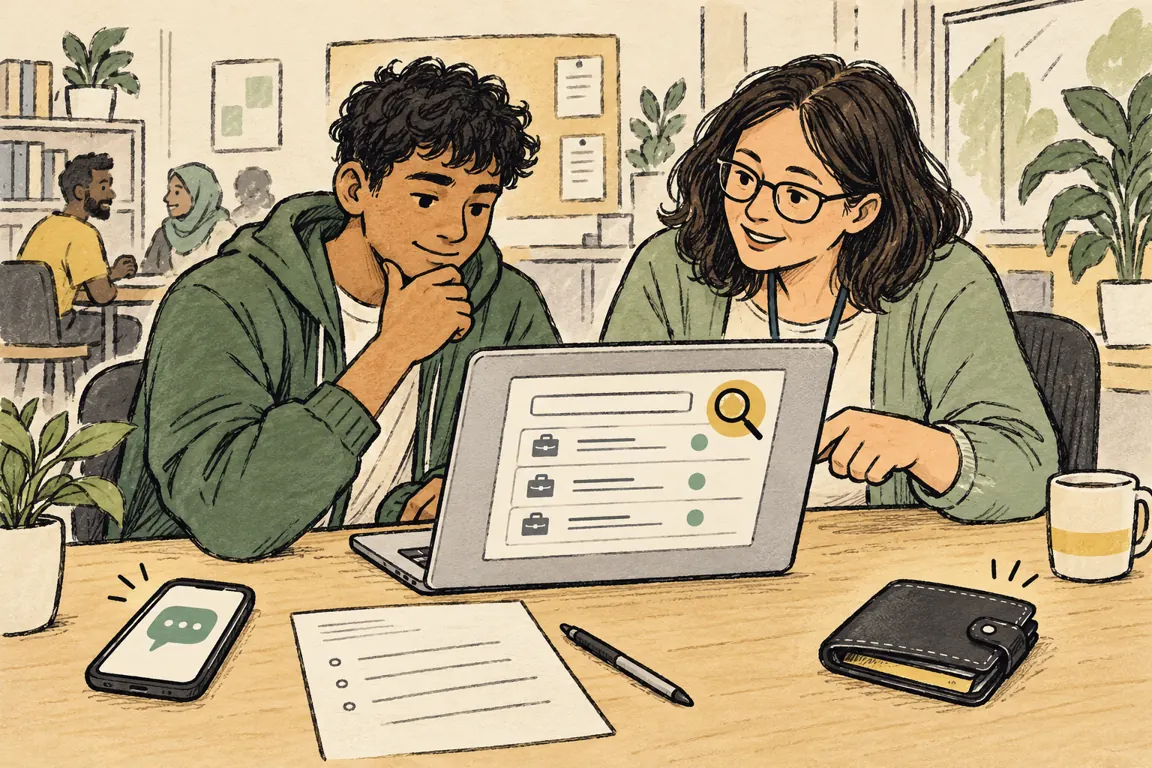
You are waiting for a decision on a public-service application when someone says an extra payment or personal favour will move it to the front of the queue. They may claim to work for the organisation, but a name, logo or knowledge of your application does not prove that they do. A genuine service may charge a published fee for an optional faster route; an unexplained transfer to a person is different. Pause before paying or sharing more information. Check the fee and process through the organisation's official website or a contact you find yourself. If you have already paid, you can still ask for help.
ishowcrime desk
Sources checked 13 November 2026
Here’s what you can do.
Pause the private payment
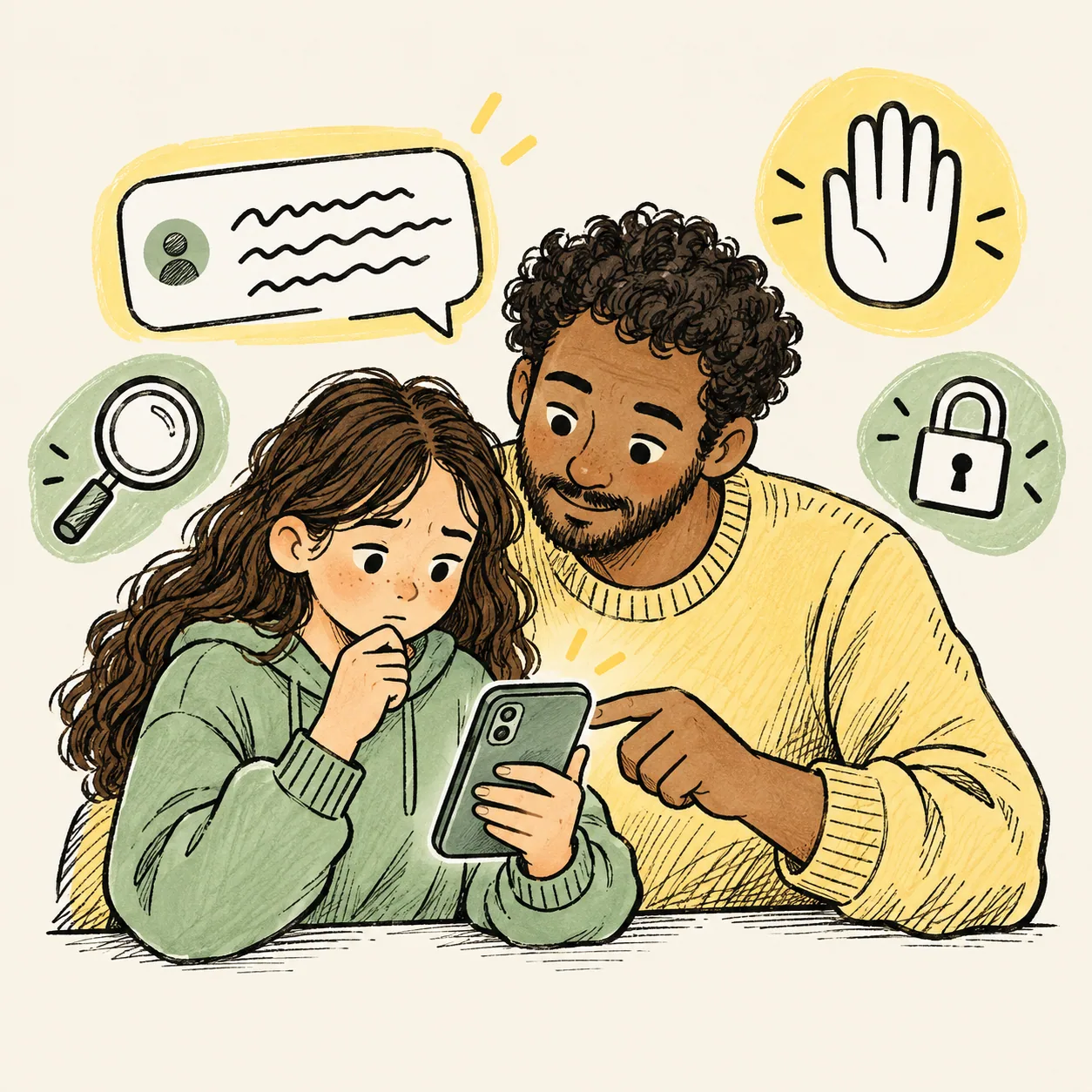
Do not send money, vouchers or a favour to a person who says they can influence your application. The Department for Business and Trade lists requests for payments or favours to speed up an official process as a concern to report. The person might be an impersonator, or the request might involve someone with real access; you do not have to decide which before pausing. Do not confront them or try to gather more evidence yourself. Keep the message and any receipt you already have.
Check the real fee and contact
Find the service through GOV.UK or the relevant authority's official website, rather than a link or number in the message. Check whether it offers a published priority option, what it costs and how payment is made. Contact the organisation through independently found details and ask whether the request and payment route are genuine. The Home Office warns that fake agents may promise to speed up visa applications and ask for payment into a personal bank account; genuine visa fees or premium services have official payment routes. Other services have their own rules, so check the particular one before paying.
Report the request and get help
Tell the organisation concerned through its official complaints or counter-fraud route, and give a clear account of the request. For a concern linked to the Department for Business and Trade, its published counter-fraud route accepts reports, including anonymously, and asks people not to collect extra evidence themselves. You can report suspected bribery or corruption to your local police; in London, the Metropolitan Police offers an online crime-reporting route. Use 101 for a non-emergency report or 999 if someone is in immediate danger. If you already paid or shared bank details, contact your bank at once through its official app or a verified number. Report suspected fraud to Report Fraud in England, Wales or Northern Ireland, or Police Scotland in Scotland. Explain what happened without guessing who the requester really was.
Your quick checklist.
Tick what you’ve done. This stays on this page.
0 of 3 markedDownload a short text copy to read without internet. It cannot call or alert anyone.
A few things explained.
Can an official service charge more for faster processing?
Sometimes. A published priority or premium option can be legitimate, and its availability and price depend on the service. Check the particular authority's official page and payment route. For UK visa applications, the Home Office says genuine fees and premium services are paid online through GOV.UK or its commercial partners, not into a personal bank account or by email. Do not assume an extra fee mentioned in a private message is official.
What if the person really works for the organisation?
You still do not need to pay them privately or investigate them yourself. Report the request through the organisation's official counter-fraud or complaints route and explain exactly what was said. The Department for Business and Trade says suspected requests for payments or favours to speed up its processes should be reported, and advises against collecting more evidence yourself. Police can take a report of suspected bribery or corruption.
I already paid. What should I do first?
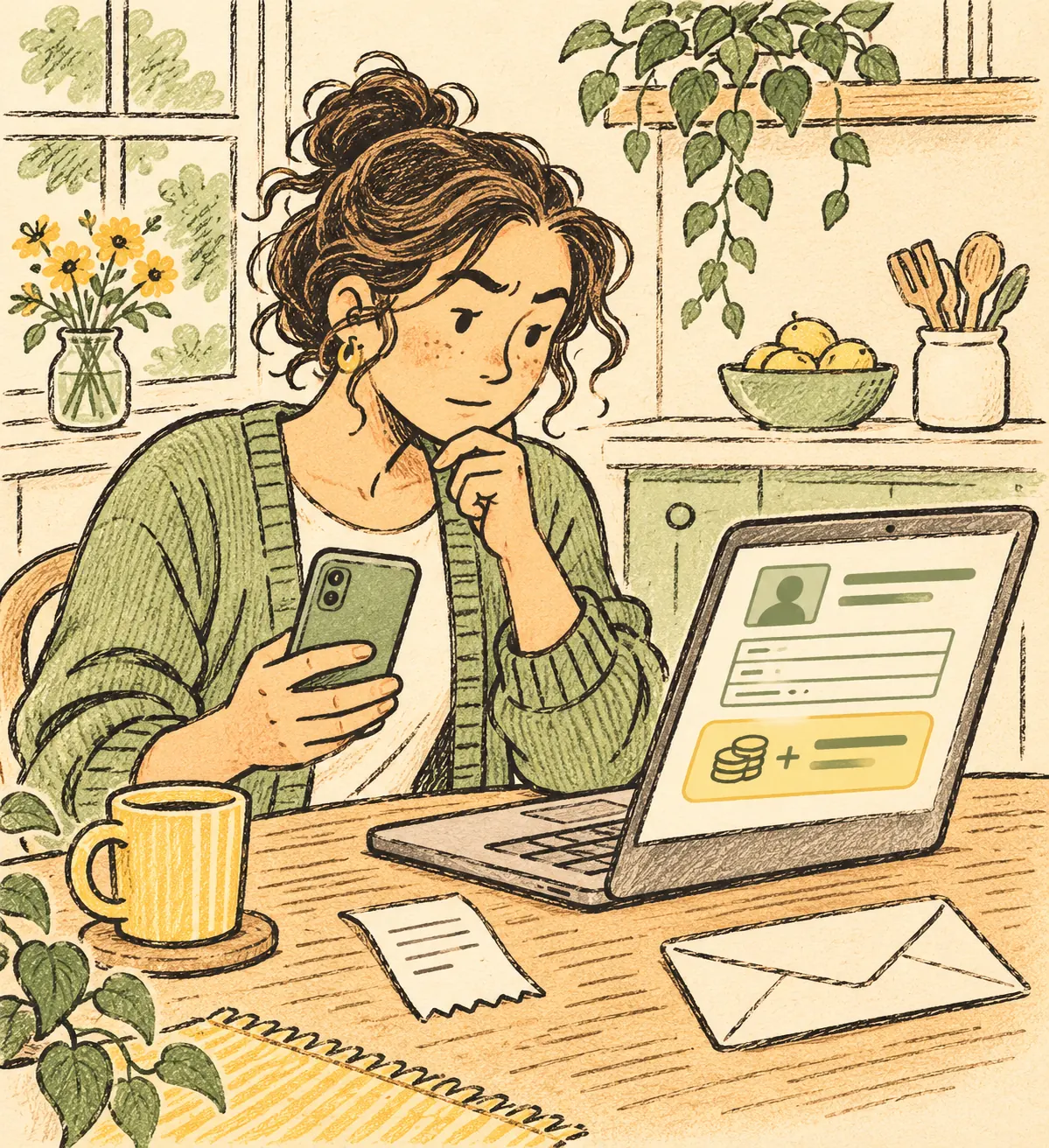
Contact your bank or payment provider immediately using its official app, website or a verified number, and explain the payment. Report Fraud says the bank can secure your account and may assist with recovering funds. Keep the payment record and messages, tell the organisation through its official route and report suspected fraud to the appropriate police service. Paying under pressure does not stop you asking for help.