Someone close to me is being pressured towards violent extremism. What can I do?
A friend tells you a group is pressuring them to support violence, or you notice they are being drawn into material that praises it. That is a reason to seek advice, not a diagnosis or proof of a crime. Radicalisation can happen online or in person, and no single change in clothes, beliefs or behaviour settles what is happening. If there is immediate danger, move to safety and call 999. Otherwise, speak calmly if it feels safe and contact ACT Early for confidential advice. Early support is intended to help someone before harm occurs.
ishowcrime desk
Sources checked 9 November 2026
Here’s what you can do.
Check for immediate danger
If someone is threatening violence or there is an immediate danger, move away and call 999. Do not confront a group, follow anyone or try to gather proof before getting help. If it is not an emergency, focus on what you actually heard or saw rather than guessing a motive. A friend's new beliefs, appearance or time online alone do not prove radicalisation; the Home Office says there is no checklist that can decide it.
Listen if you can do so safely
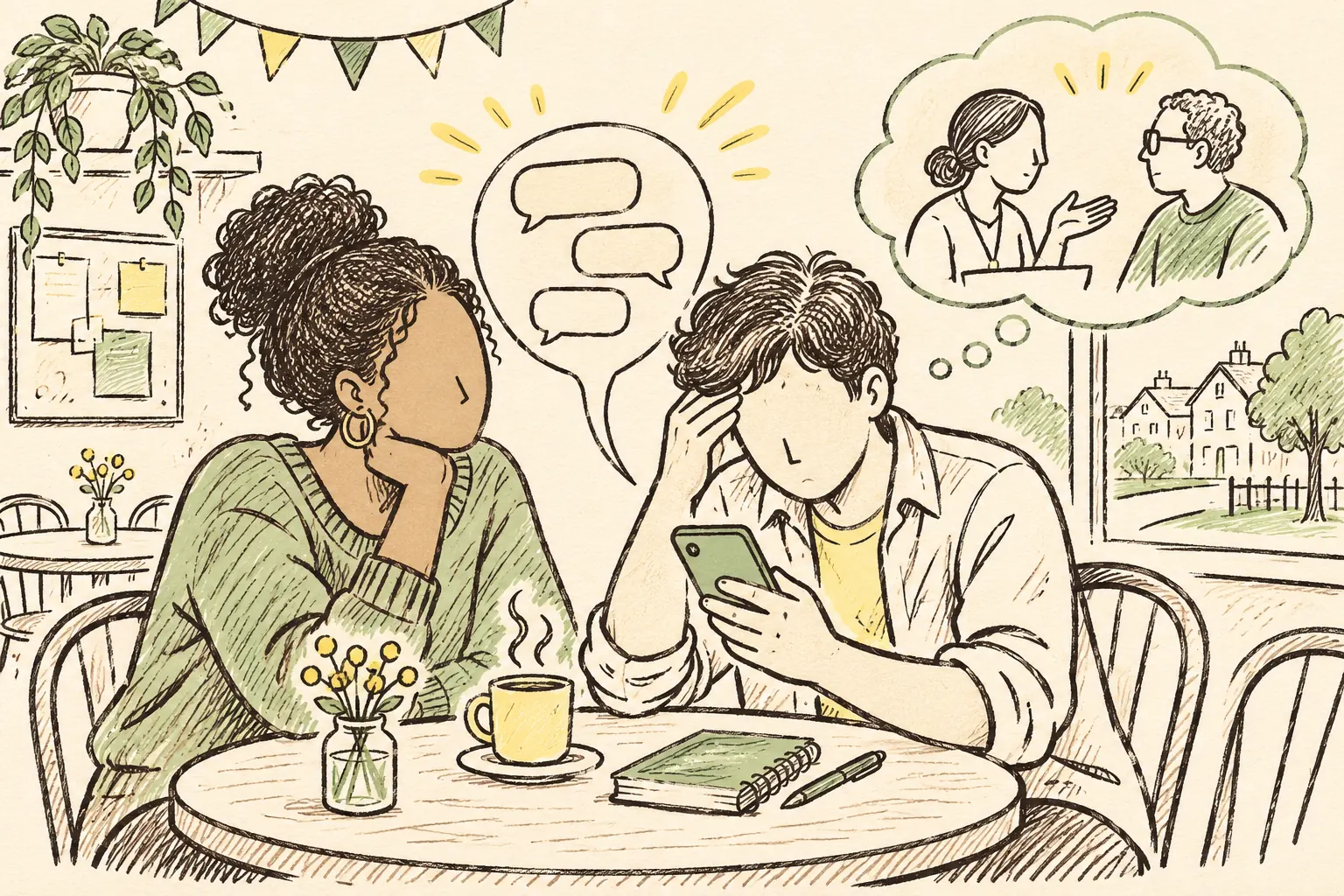
If you know the person well and feel comfortable, ask open, calm questions about what is worrying them and listen without a confrontation. They might, for example, say somebody online is pushing them to share messages praising violence. The Home Office suggests talking when it feels safe, while warning that the person may become defensive. You can step back and seek advice without having a perfect conversation.
Ask ACT Early for confidential advice
Friends and family can call the ACT Early Support Line on 0800 011 3764 at any time to describe a concern. Specially trained officers can discuss what you have noticed and whether support is appropriate. You do not have to decide whether the person has committed a crime. Prevent is an early-support programme, and a referral is assessed; support is not a punishment or a criminal-record entry. If you know of a possible terrorist threat rather than a support concern, use the police ACT reporting route or the Anti-Terrorism Hotline on 0800 789 321. Call 999 for immediate danger.
Your quick checklist.
Tick what you’ve done. This stays on this page.
0 of 3 markedDownload a short text copy to read without internet. It cannot call or alert anyone.
A few things explained.
Is one change in beliefs or appearance proof of radicalisation?
No. The Home Office says there is no checklist that can tell you whether someone is being radicalised. Changes may have other explanations. Describe the behaviour that concerns you, especially pressure to support violence, and seek advice rather than making a public accusation.
Will calling ACT Early automatically give my friend a criminal record?
No. GOV.UK says Prevent support is not a punishment and does not go on a person's criminal record. A concern is assessed by trained police and local partners. Sharing information may lead to a referral if appropriate; it is not automatic proof that an offence happened.
What if I think an attack is being planned rather than someone needing early help?
Move away and call 999 if there is immediate danger. For a possible terrorist threat that is not immediate, police direct people to the ACT online reporting route or the Anti-Terrorism Hotline on 0800 789 321. ACT Early is the route for friends and family seeking advice about someone at risk of being drawn in.