London ambulance service warns of higher Halloween alcohol callouts
Five years of ambulance data show alcohol-related incidents were more than a third higher on Halloween than on a normal October day, as London’s emergency services prepare for a busy weekend.
Five years of ambulance data show alcohol-related incidents were more than a third higher on Halloween than on a normal October day, as London’s emergency services prepare for a busy weekend.
Policy · Source report: 2026-10-29T00:00:00Z
THE STORY IN PICTURES
Understand the story
4 easy steps
One picture at a time. Swipe left or tap Next to follow the story.
Step 1 of 4
STEP 1 · The overview
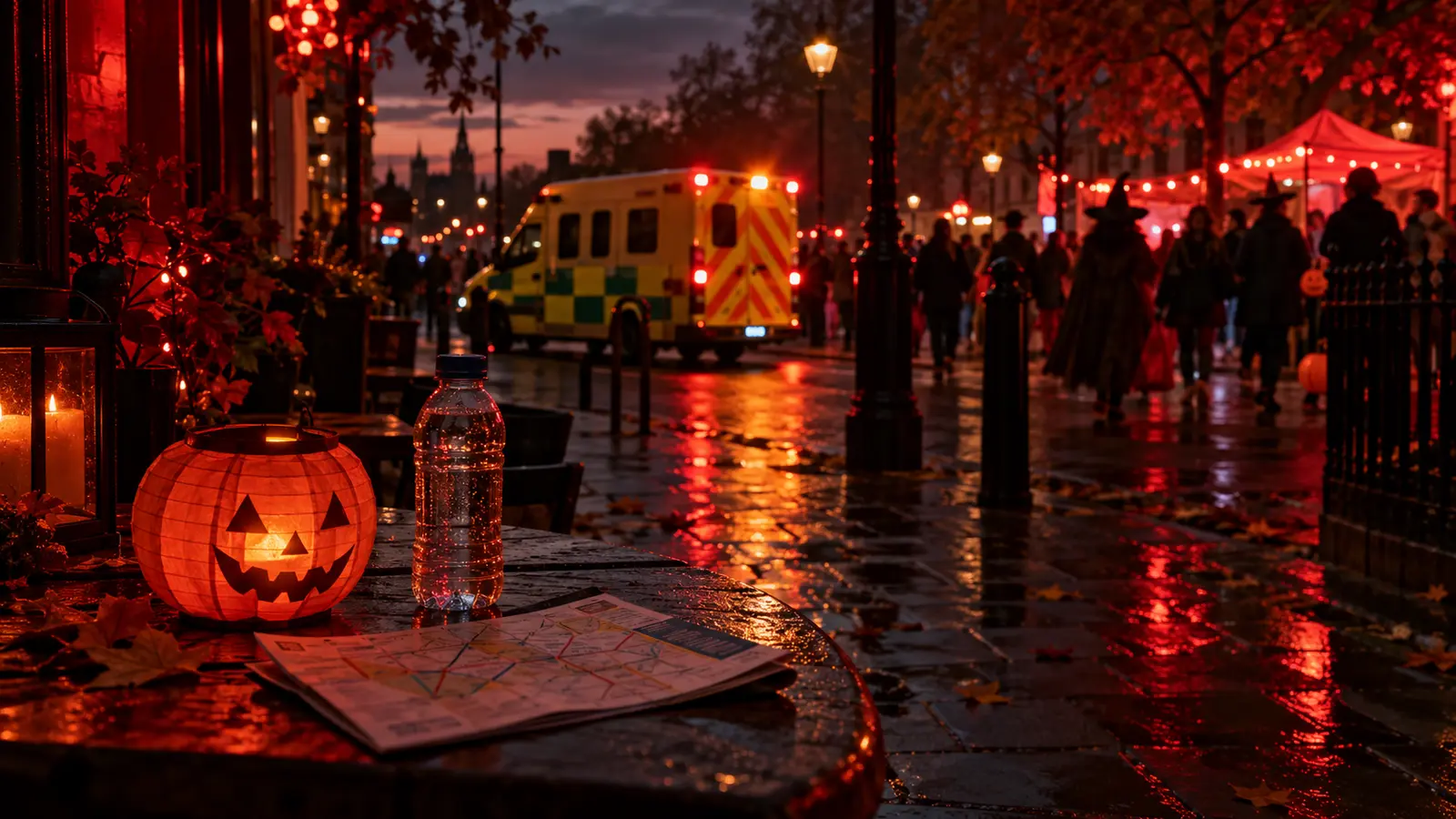
London Ambulance Service has asked people to celebrate Halloween safely after its five-year data showed alcohol-related incidents were more than a third higher on Halloween than on a normal October day.
Read more
London Ambulance Service has asked people to celebrate Halloween safely after its five-year data showed alcohol-related incidents were more than a third higher on Halloween than on a normal October day. The service issued the London-wide warning on 29 October, ahead of parties, trick-or-treating and firework displays.
The warning comes during an already busy month. LAS expects to receive more than 200,000 emergency calls in October, making it the second-busiest month of 2026 so far after July. Category 1 calls for the most seriously ill and injured patients have risen to around 480 a day, compared with about 400 on a typically busy day. The service has also treated more than 9,000 people face to face for respiratory or breathing problems this month, while calls to 111 are up 12.5 per cent on the same period last year.
LAS advises anyone who plans to drink to do so responsibly, arrange the journey home and consider children, older people and others who may be vulnerable.
Read more
LAS advises anyone who plans to drink to do so responsibly, arrange the journey home and consider children, older people and others who may be vulnerable. It says 999 should be used for life-threatening emergencies; people with other urgent medical concerns can use NHS 111, while pharmacies and GP practices can help with many common health problems.
London Fire Brigade’s current Halloween page points residents towards safer alternatives to candles, advice on fancy-dress costumes, reducing arson risk and firework safety.
Read more
London Fire Brigade’s current Halloween page points residents towards safer alternatives to candles, advice on fancy-dress costumes, reducing arson risk and firework safety. People attending organised displays should follow the organiser’s instructions, while anyone using fireworks at home should follow the Brigade’s safety guidance.
Article checked 29 Oct 2026 · Check the source for later developments.
London Ambulance Service has asked people to celebrate Halloween safely after its five-year data showed alcohol-related incidents were more than a third higher on Halloween than on a normal October day. The service issued the London-wide warning on 29 October, ahead of parties, trick-or-treating and firework displays.
The warning comes during an already busy month. LAS expects to receive more than 200,000 emergency calls in October, making it the second-busiest month of 2026 so far after July. Category 1 calls for the most seriously ill and injured patients have risen to around 480 a day, compared with about 400 on a typically busy day. The service has also treated more than 9,000 people face to face for respiratory or breathing problems this month, while calls to 111 are up 12.5 per cent on the same period last year.
LAS advises anyone who plans to drink to do so responsibly, arrange the journey home and consider children, older people and others who may be vulnerable. It says 999 should be used for life-threatening emergencies; people with other urgent medical concerns can use NHS 111, while pharmacies and GP practices can help with many common health problems.
London Fire Brigade’s current Halloween page points residents towards safer alternatives to candles, advice on fancy-dress costumes, reducing arson risk and firework safety. People attending organised displays should follow the organiser’s instructions, while anyone using fireworks at home should follow the Brigade’s safety guidance.
NHS guidance says alcohol poisoning can cause confusion, vomiting, slow or irregular breathing, seizures and loss of consciousness. Call 999 if alcohol poisoning is suspected, someone has a seizure, loses consciousness or stops breathing. Stay with the person and follow the call handler’s instructions rather than trying unproven remedies.
This is a public-safety warning, not a report that every Halloween incident involves alcohol or could have been avoided. The comparison is based on LAS figures from the previous five years, while the October demand figures describe the service’s position when the warning was published.
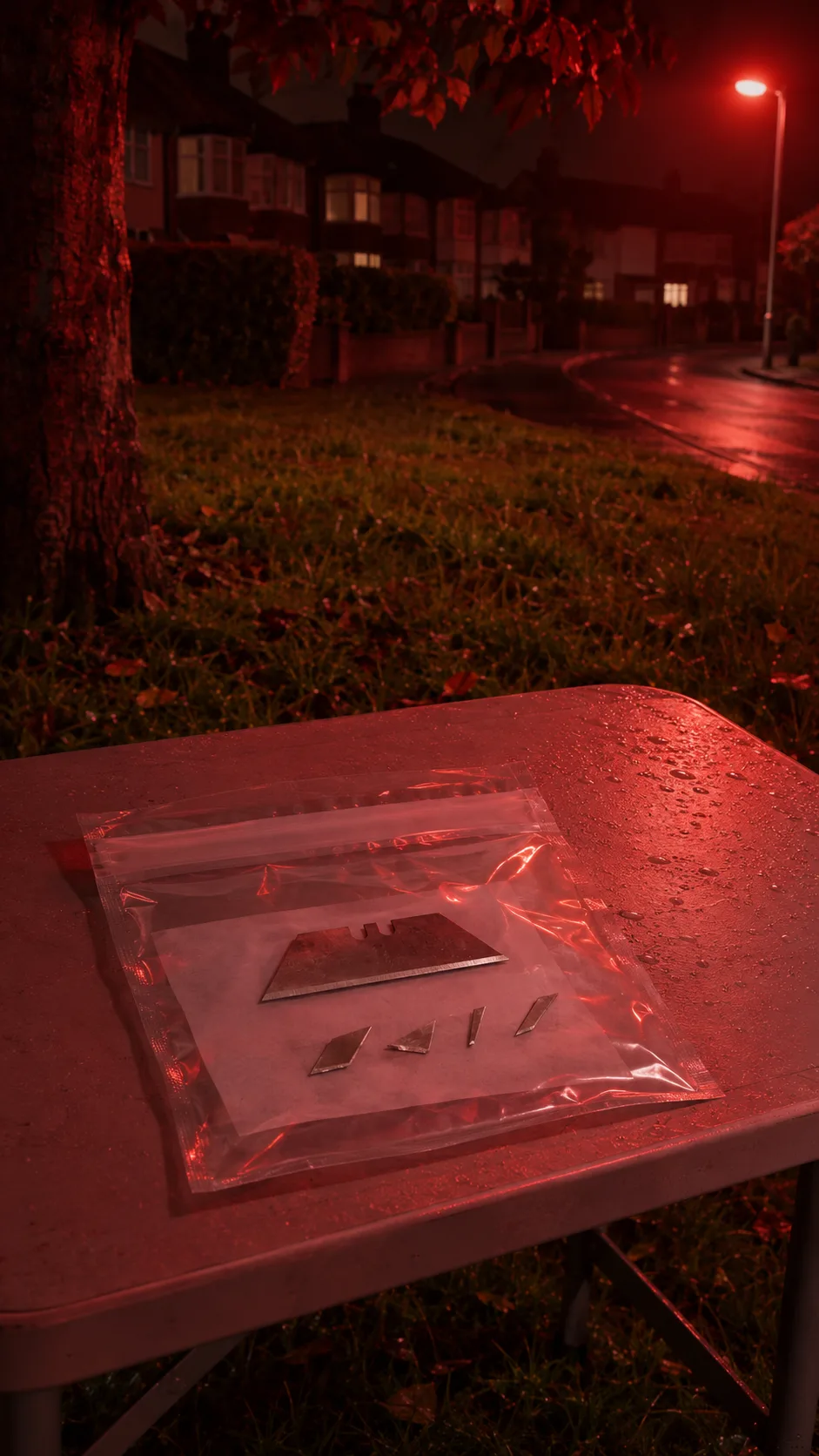
Police said a Preston weapons sweep recovered one Stanley-knife-style blade and four knife edges. Two people were arrested for violent offences during later activity, but the alert did not link them to the recovered items.
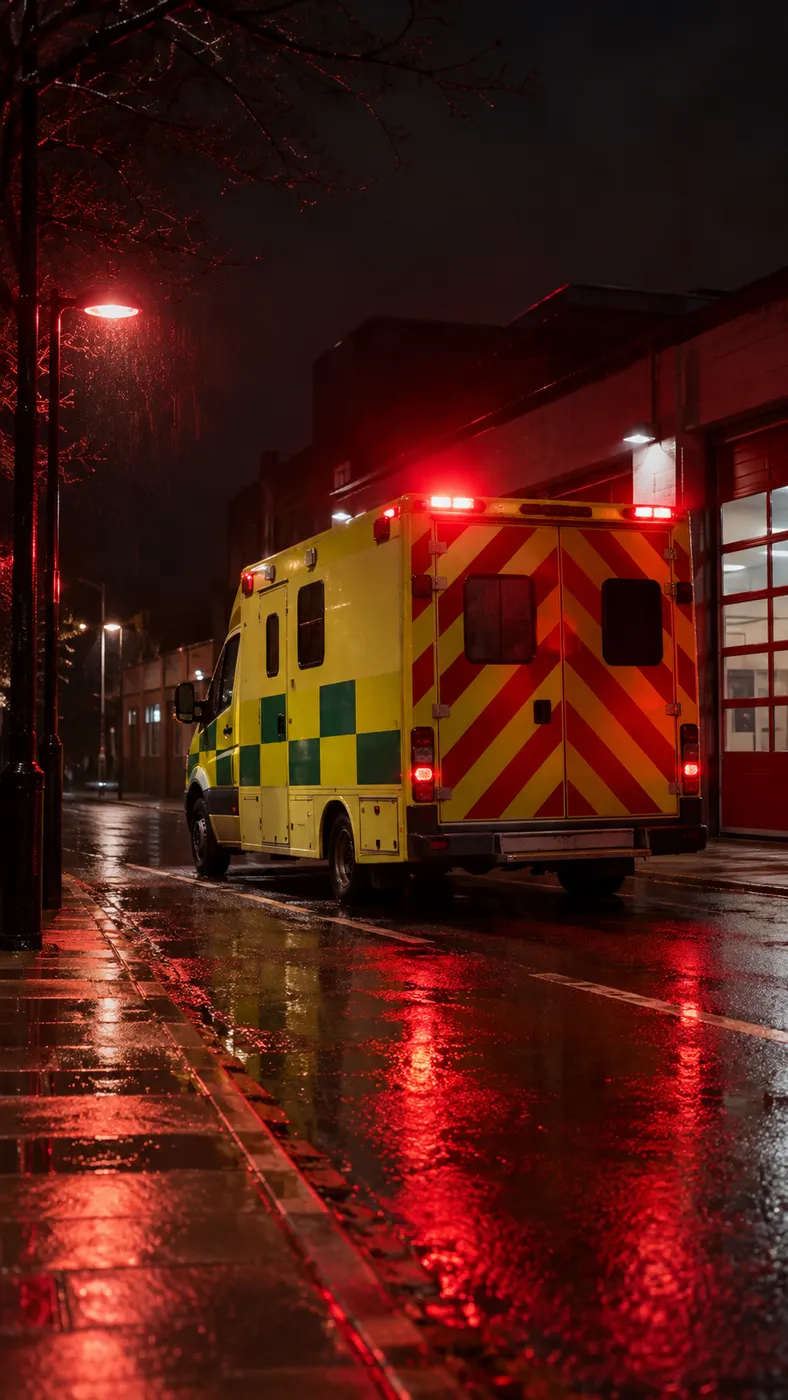
Hayes Town police say an unnamed man was held overnight after female paramedics who had attended to help him were allegedly assaulted. No charge, injury or court outcome was reported.
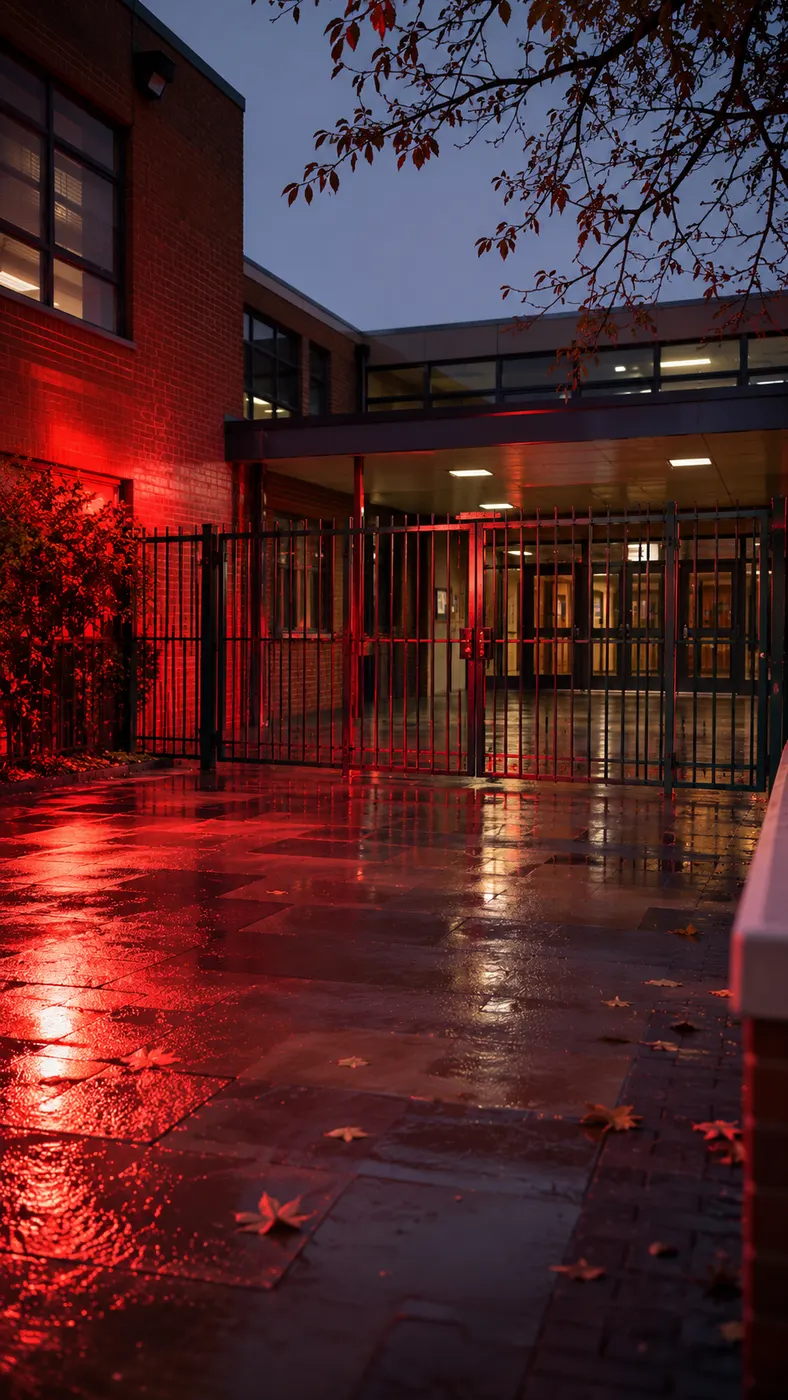
A Feltham secondary school was placed in a precautionary lockdown after a report of a person with a weapon. Police searched the premises, found nothing suspicious and are treating the call as a hoax.