
The envelope arrived with a key to a room the hotel did not have.
Mara turned the brass tag under the reception lamp. Seventeen. Upstairs, the numbering ended at sixteen. She had worked nights at the Bellweather for eleven months, long enough to know which doors stuck when it rained and which guests would complain about the sea.
Inside the envelope was a photograph of a woman standing beside the hotel’s old breakfast-room window. On the back, someone had written: Ask who paid for the room. Below that was a date from thirty years earlier.
At half past six, before the breakfast staff arrived, Mara brought the oldest guest ledger out of the office cupboard. There was the date. There were the familiar rooms. Between sixteen and the page total, a narrow strip of paper had been cut away.
She did not pull at it. She laid the book flat and photographed the page. Then she checked the cardboard archive box beneath it. Among the invoices was a second book, slimmer, its cover marked Accounts. The date appeared there too. So did room seventeen: one payment every Friday, for almost a year.
The payments were entered under the name of a charity Mara had never heard of. The hotel’s former owner had signed each receipt. Yet the room beside the old breakfast room was a linen store, barely large enough for a bed.
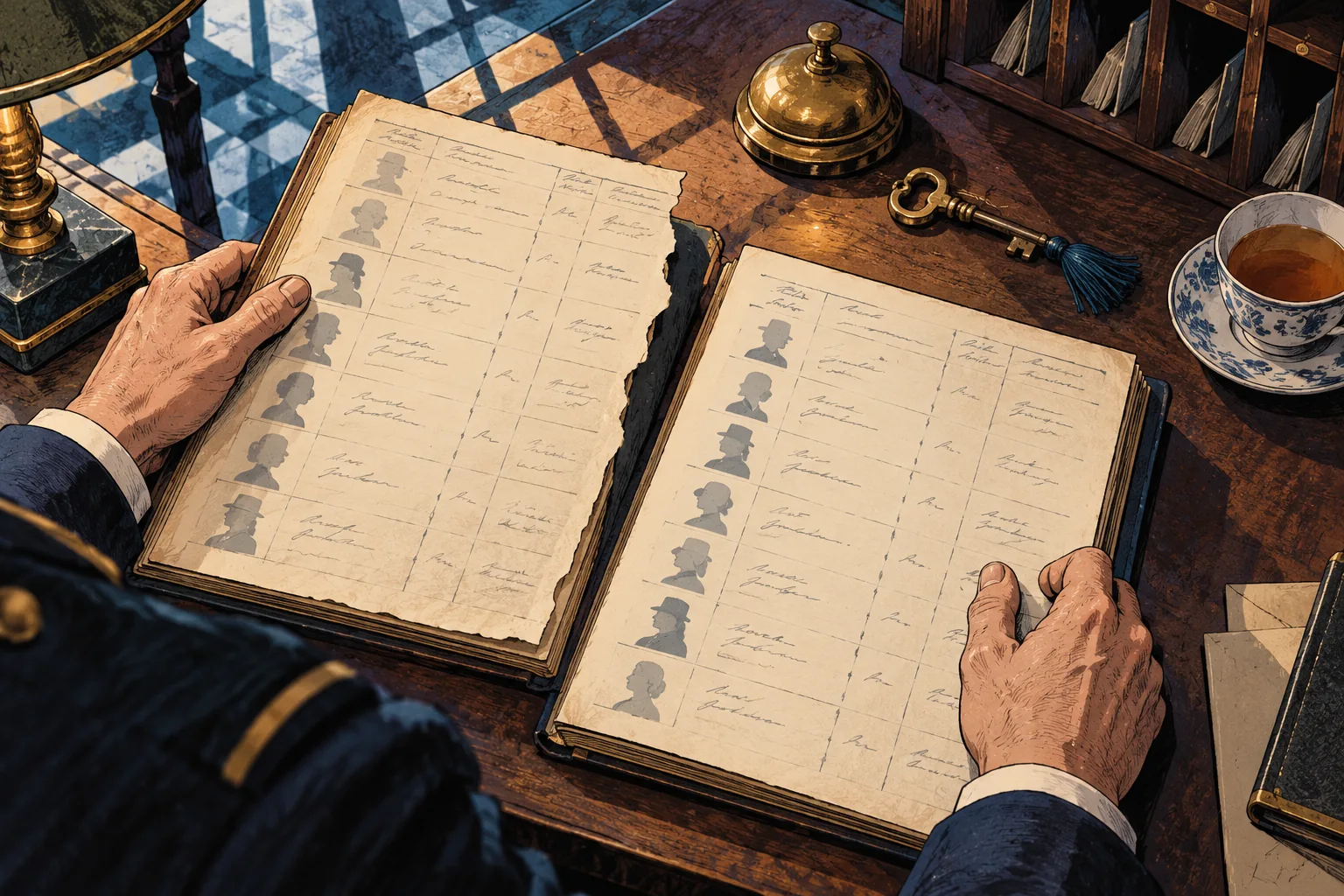
When the current manager arrived, Mara showed her both books. The manager had bought the Bellweather six years earlier. She knew nothing about the payments. Together they put the originals in the office safe and called the number on the charity’s surviving registration papers. It no longer worked.
The woman from the photograph came at nine. Older now, she wore a mustard coat and carried an envelope softened at its folds. “I thought you might throw it away,” she said. “The key.”
Mara asked her to sit in the breakfast room. The woman’s name was Elsie. She had worked in the hotel laundry. Years ago, she had questioned payments supposedly made to accommodate people who needed temporary shelter. The former owner had told her the arrangements were confidential. When she persisted, her shifts disappeared.
“Did anyone stay in that room?” Mara asked. Elsie shook her head. “It was where we kept the clean sheets.” That was her recollection, Mara understood, not yet proof of where the money had gone.
Elsie’s envelope contained copies of the letters she had sent at the time, and one reply asking for records she could not provide. The key had remained in a kitchen drawer through three house moves. She had returned it after reading that the hotel was preparing an exhibition about its past.
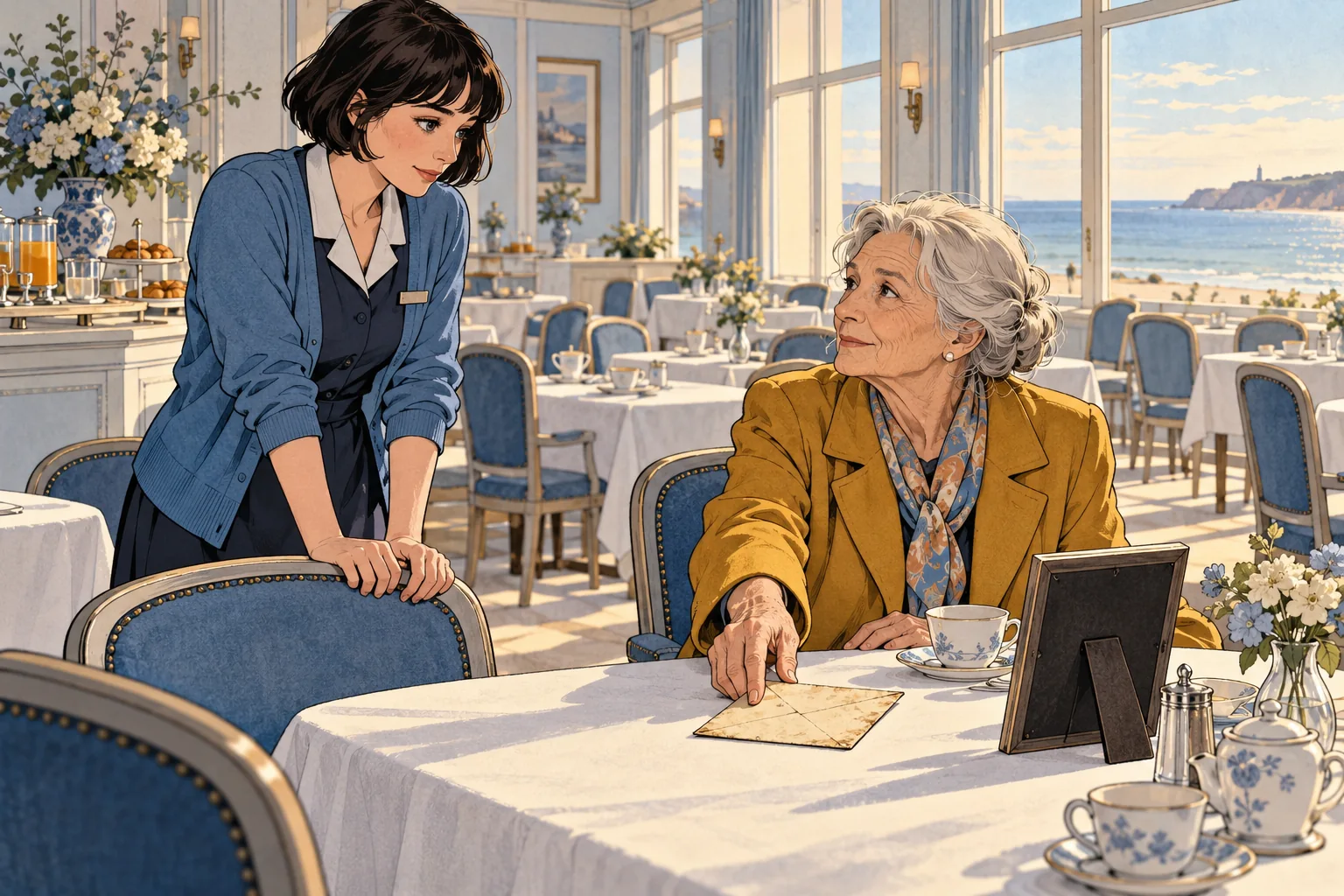
The manager cancelled the exhibition opening. She contacted the charity’s successor organisation and passed the books, photographs and letters to the police. Mara wrote down when each item had arrived. Nobody tried to improve the story by filling its gaps.
Months later, an investigator confirmed that the surviving accounts supported a fraud inquiry. The former owner was dead. Some records were missing. There would be questions the ledgers could never answer, including how many people had been denied help while money paid for an empty room.
The hotel eventually opened a smaller exhibition. One cabinet held a photograph of the laundry staff, with their names beneath it. Elsie came to see it on a Tuesday. Before leaving, she asked for the key back.
Mara fetched it from the office; the police had finished examining it. “What will you do with it?” she asked. Elsie closed her hand around the brass. “Put it somewhere I can see it.”