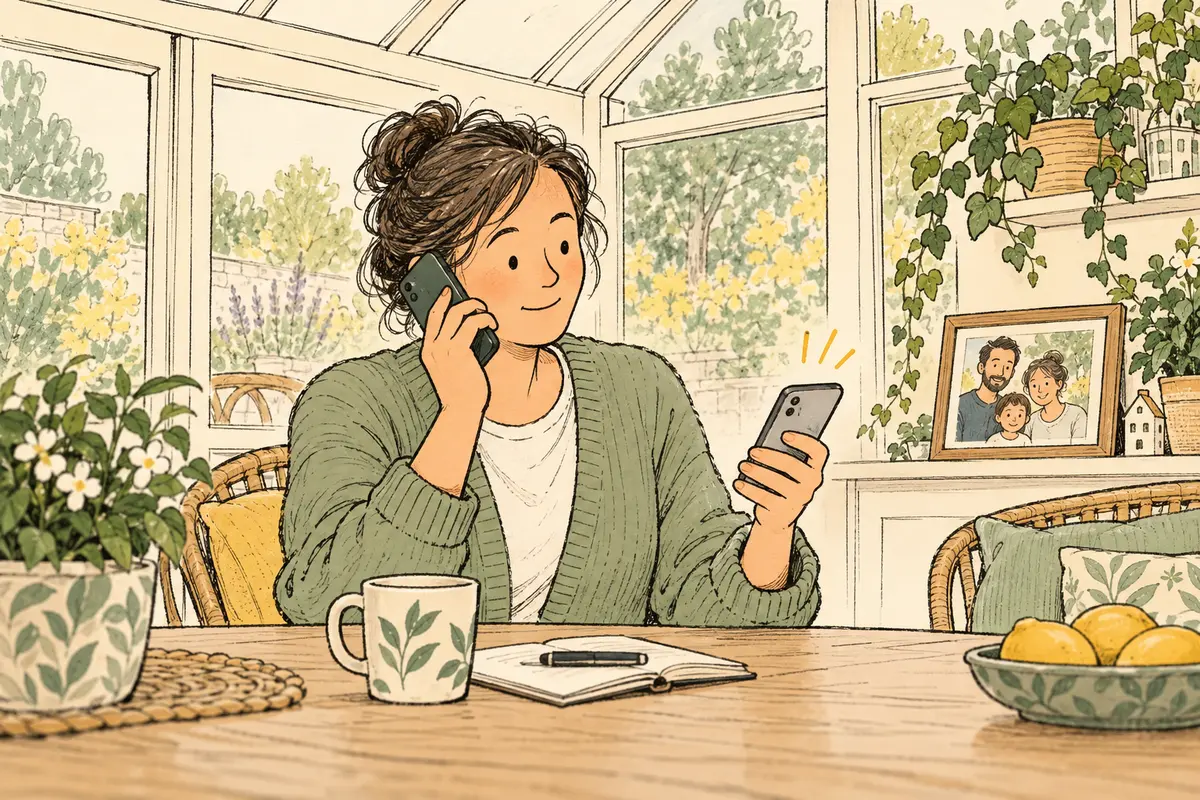
A caller says my child is in danger and demands money. What should I do?
A caller says your child is in danger at school or elsewhere and demands an immediate transfer. The threat may be real, but scammers also use frightening stories, copied caller numbers and even imitated voices to stop families checking. Do not decide from the voice or displayed number alone. Treat any possible danger seriously while you verify it through a separate, trusted route. For example, someone may claim to be school staff but refuse to let you call the school office. That pressure is a warning sign. End the call, contact the school on the number you already know, and call 999 if you believe a child faces immediate harm.
ishowcrime desk
Sources checked 13 November 2026
Here’s what you can do.
Pause the payment and use a separate number
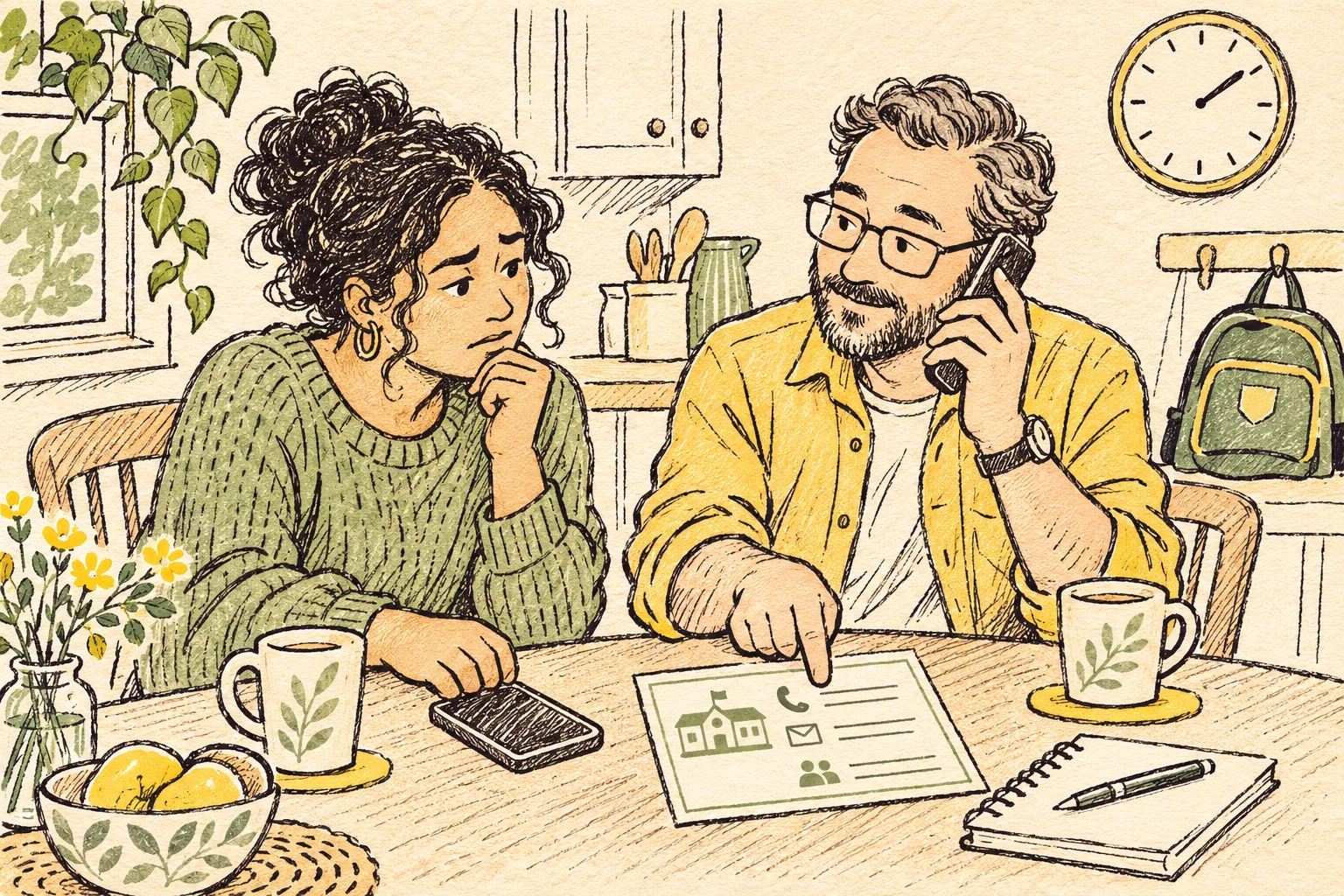
Do not give bank details, security codes or make a transfer while the caller controls the conversation. Report Fraud explains that scammers may copy caller ID, know personal details and use AI to imitate voices. End the call and ring the child's school using a number from your own records or its official website, not a number supplied by the caller. If the child is elsewhere, try their usual number or a trusted person who is with them. A genuine concern can be checked without paying an unverified caller.
Call police if there may be immediate danger
If you have reason to think a child is in immediate danger, call 999 and share exactly what the caller said, the number shown and what you have verified. Do not dismiss a specific threat merely because phone scams exist. Police can assess the risk; you do not need to investigate or confront anyone yourself. If there is no immediate danger but you need to report a suspicious call or threat, use police 101 or the appropriate fraud reporting route. School staff can check the child's whereabouts through their own safeguarding procedures.
Act quickly if you paid or shared details
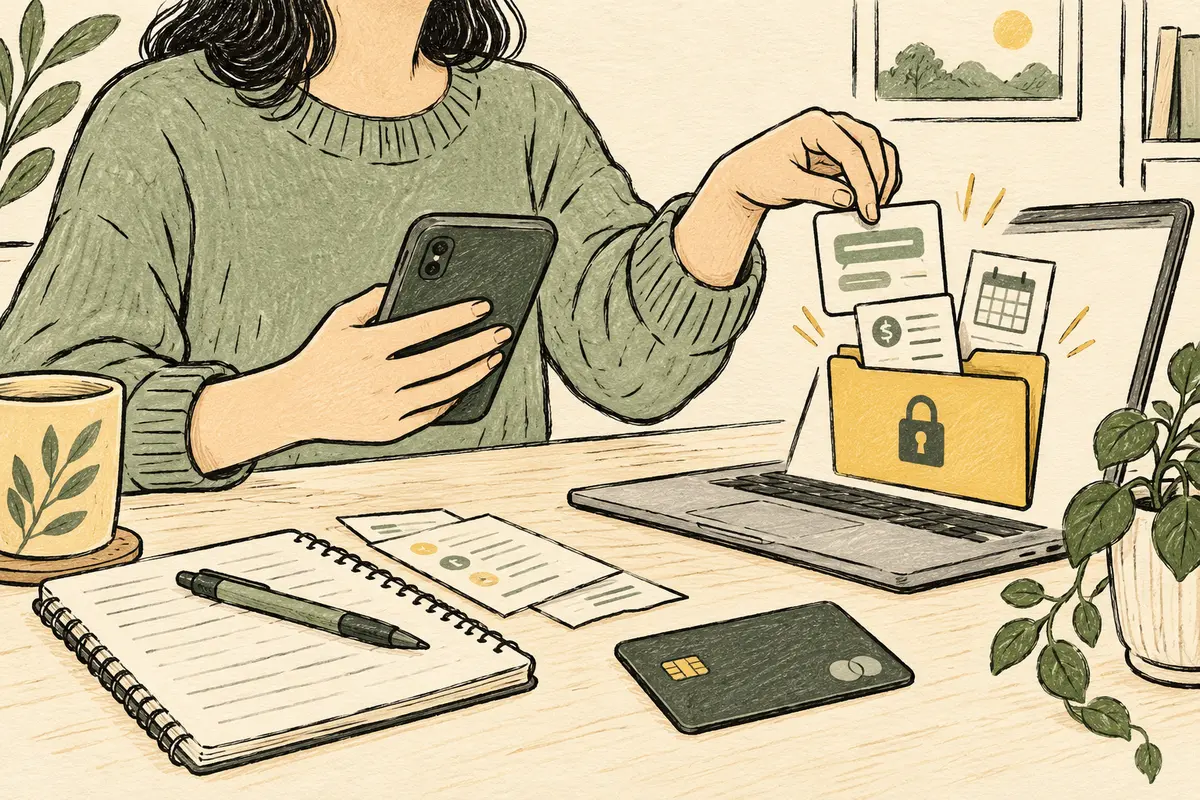
Contact your bank using its official number if you transferred money or disclosed card or account information; ask what it can do to protect the account and recover a payment. Keep the caller's number, time, messages and payment details. Report suspected fraud to Report Fraud in England, Wales or Northern Ireland, or Police Scotland in Scotland. Tell the school if its name or staff were impersonated, so it can check its records and support affected families. These actions do not prove the voice was cloned or guarantee money will be returned.
Your quick checklist.
Tick what you’ve done. This stays on this page.
0 of 3 markedDownload a short text copy to read without internet. It cannot call or alert anyone.
A few things explained.
Does a familiar voice prove the caller is my child?
No. Report Fraud and Police Scotland warn that AI can imitate a familiar voice. A voice alone is not enough to confirm the situation. Use an existing contact route to check, and call 999 if there may be immediate danger.
The caller ID matches the school. Is that enough?
No. Report Fraud says scammers can spoof a caller number. End the call and ring the school using a number you find in your own records or on its official website. Do not use a callback number supplied in the conversation.
What if I have already transferred money?
Contact your bank promptly through its official route and explain what happened. Report the suspected fraud to Report Fraud in England, Wales or Northern Ireland, or Police Scotland in Scotland. Keep the payment reference and call details. If the child may actually be in immediate danger, call 999 as well.