What should I keep after a suspected scam?
After a suspected scam, messages and payment details may be scattered across your phone, email and banking app. Keeping them together can help explain what happened, but you do not need to investigate the sender or finish an evidence pack before asking for help. Report Fraud records your account of events; it does not keep the underlying evidence for you. Reporting a social-media account is also different from a formal request to preserve records for an investigation. Keep the evidence you can safely access rather than assuming the platform or reporting service will hold everything.
ishowcrime desk
Sources checked 26 October 2026
Here’s what you can do.
Protect money and accounts first
Stop contact with the suspected scammer. If money or bank access may be affected, contact the bank or payment provider promptly through a trusted route. If you gave away a password, change it through the real account and change it anywhere else you reused it. Do not delay these actions to organise screenshots.
Keep the records you already have
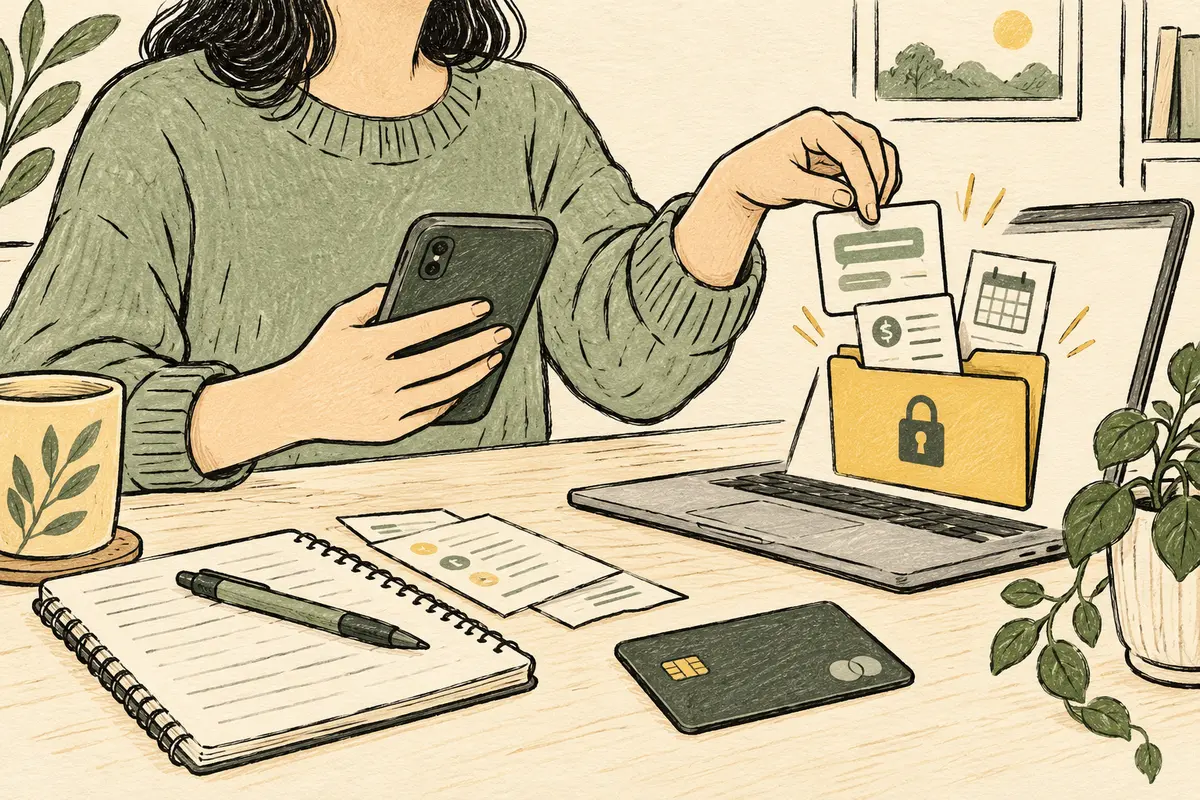
Keep original messages, sender details, payment references and receipts safely, with screenshots where useful. For social-media contact, record the username and profile URL as well as the displayed name, which may not identify the account reliably. Add a short timeline of the contact, requests and payments. Record what you know without filling gaps with guesses. Do not continue the conversation or reopen suspicious links to collect more. If explaining this to a trusted helper feels difficult, start with what arrived, what you did and what help you need. A hypothetical example is: 'A delivery text led me to a page where I entered my card details. Can you help me contact the bank?' You do not need technical language to ask for help.
Report and add later information
Use Report Fraud for fraud or cyber crime in England, Wales or Northern Ireland; contact Police Scotland in Scotland. Keep the report reference with your records. If you created a Report Fraud online account, use My Reports, then View or Update, to add details. Describe evidence in Supporting Evidence and Additional Information and retain it safely. For reports made in the old tool, call 0300 123 2040 to make changes; those reports remain recorded but are not visible in the new hub. Tell the platform about the misuse through its normal reporting tools. If police are investigating and you are worried account records may disappear, tell the officer promptly and ask about preservation. Formal law-enforcement requests use separate processes; do not submit one pretending to be an official.
Your quick checklist.
Tick what you’ve done. This stays on this page.
0 of 3 markedDownload a short text copy to read without internet. It cannot call or alert anyone.
A few things explained.
How do I choose the right reporting route?
Report Fraud has a separate suspicious-contact route when you have not responded or lost money. Suspected fraud or cyber crime uses its police-report route. In Scotland, contact Police Scotland on 101 for fraud. For a fraud or cyber-crime report online, you can register, sign in or continue as a guest. A registered account lets you save and resume an unfinished report, track progress and add information. Guests receive updates by email or post but do not have those account tools. If using the online form is difficult, you can report by phone on 0300 123 2040, Monday to Friday, 8am–8pm. Online reporting is available at any time; the phone reporting hours are different. Neither route requires you to finish organising every piece of evidence first.
Will reporting a scam account preserve all its records?
Do not assume so. X describes a legally appropriate police preservation request as holding a snapshot of relevant account records for 90 days while awaiting legal process; preserving them does not itself disclose them. Meta also describes 90-day preservation in official criminal investigations. These are law-enforcement procedures, not a promise that an ordinary report saves everything. X warns that some records are short-lived and deleted posts are generally unavailable. Keep your own safe records and raise concerns promptly with any investigating officer.
Should I trust a caller who says they are following up my report?
Caller ID can be copied, and genuine follow-up calls can also occur. If unsure, end the call without sharing information. Contact Report Fraud through its official details yourself, quoting your reference, to check.