Selling a car? Check the payment before handing over the keys
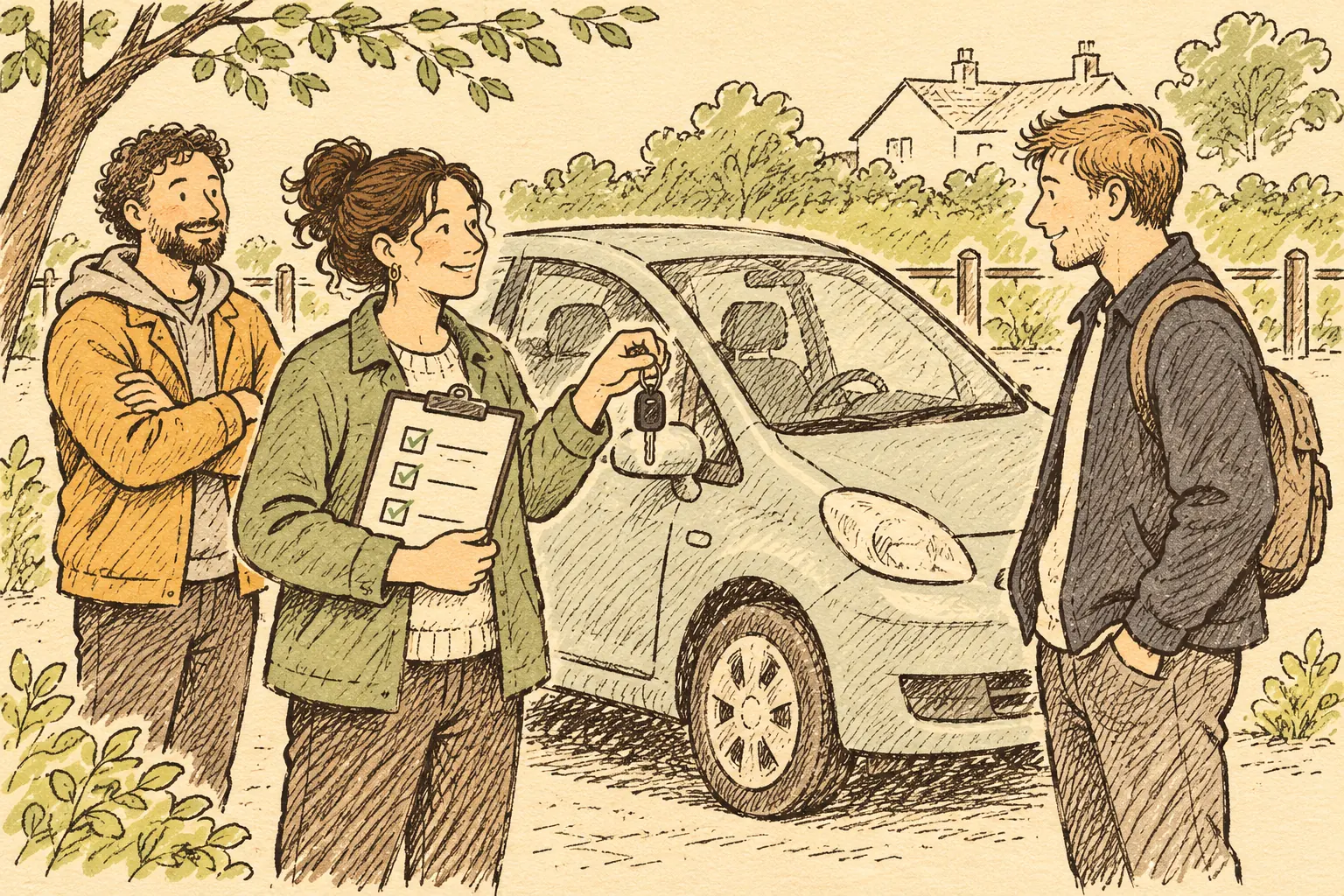
Imagine a buyer showing you a transfer screen just as they ask for the keys. The screen might reflect a genuine payment, but it is not proof that the money has reached you: police have warned about fake banking apps and payment emails. Before a private car sale is completed, check through your own bank account or bank, and keep the vehicle, keys and paperwork until the full payment is confirmed. If the buyer has already left and the money has not arrived, act promptly without trying to find them yourself.
ishowcrime desk
Sources checked 15 November 2026
Here’s what you can do.
Check the money through your own bank
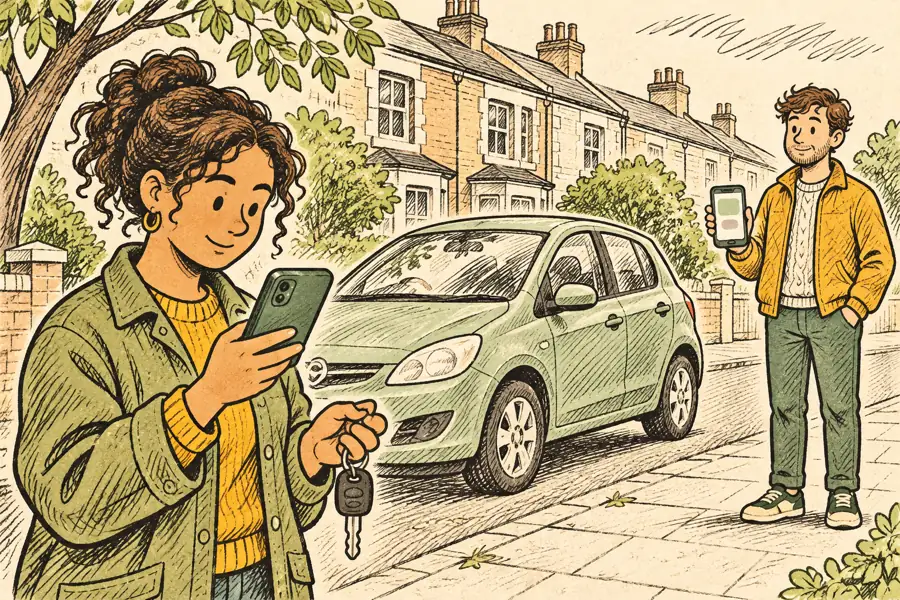
Open your own banking app or website yourself, or contact your bank using a trusted number. Do not type bank details into the buyer's phone. A screenshot, email or pending-payment story does not show that the full price has arrived in your account. Police have documented fake apps that display a completed transfer when nothing was sent. If the payment is unclear, ask your bank to check; do not release the car while you wait.
Pause the handover until payment is confirmed
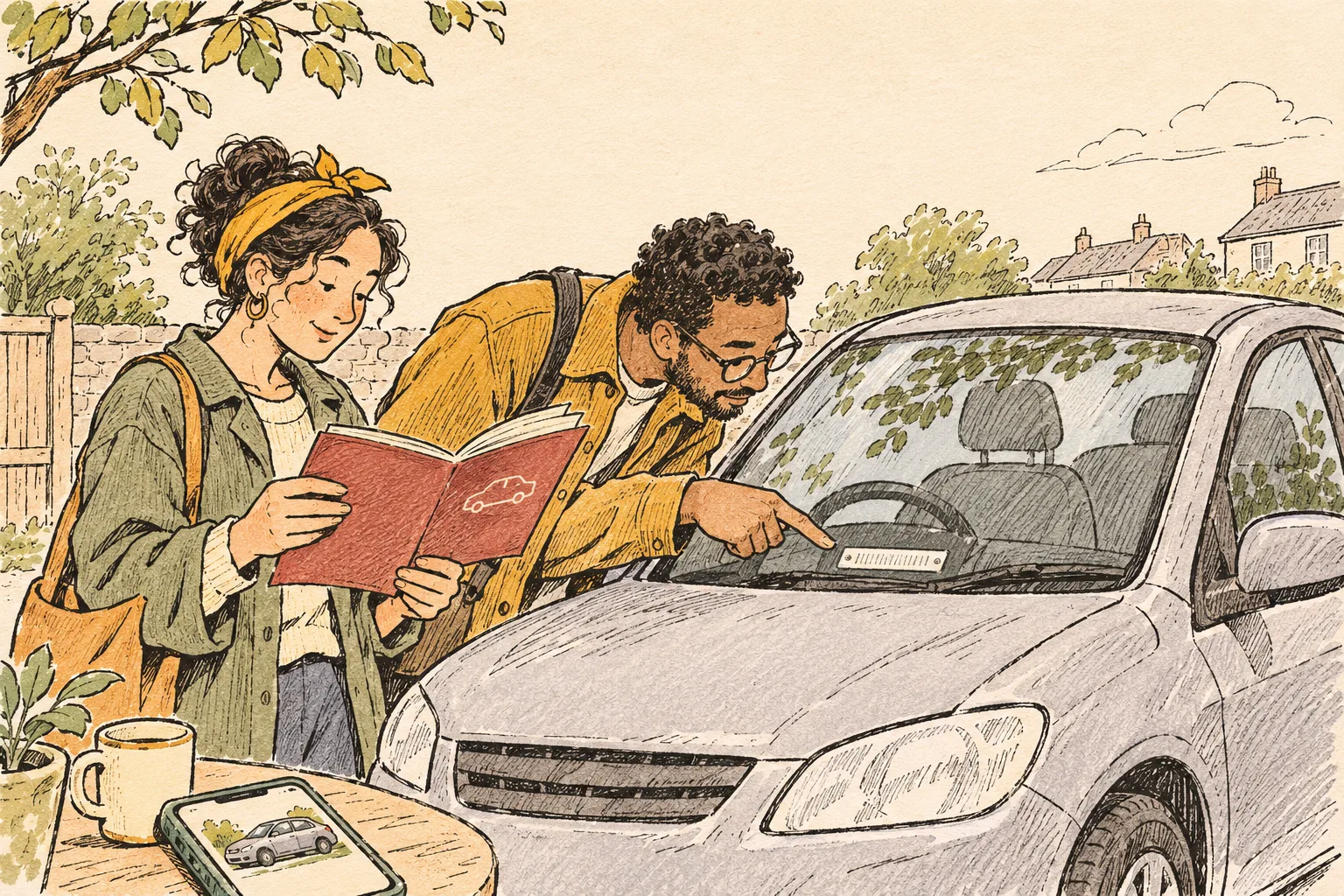
Keep the keys, vehicle and paperwork with you until the full payment has cleared. Warwickshire Trading Standards gives this advice specifically to private car sellers. If the buyer rushes you or says the transfer will appear later, it is fine to pause or end the sale. A delay alone does not prove fraud, but it is not a reason to hand over the car. Protect the V5C document reference number and do not give copies of the log book to a prospective buyer. When a genuine sale is complete, give the new keeper slip and tell DVLA you sold the vehicle.
Get help if the car or details have gone
If the buyer has left with the car and you have no confirmed payment, contact police promptly through the local force's vehicle-theft or crime route. Tell them what you know, including registration, buyer contact details and the payment messages; say clearly what is uncertain. Contact your bank through its official channel too, especially if you entered details into a stranger's device. For suspected fraud in England, Wales or Northern Ireland, use Report Fraud; in Scotland contact Police Scotland on 101. Keep messages and sale records, and do not pursue the buyer. If violence is threatened or a crime is happening now, call 999.
Your quick checklist.
Tick what you’ve done. This stays on this page.
0 of 3 markedDownload a short text copy to read without internet. It cannot call or alert anyone.
A few things explained.
What if the buyer says their transfer is pending?
A pending or delayed payment may have an innocent explanation, but it is not confirmed receipt. Check your own account or ask your bank. Keep the car, keys and paperwork until the full amount is confirmed. You can rearrange the handover or end the sale.
Can I rely on a payment screenshot or email?
No. Police have warned about fake banking apps and spoof payment emails. A buyer's display cannot confirm what reached your account. Use your own bank's trusted app, website or phone number; do not enter details into the buyer's device.
When should I tell DVLA about the sale?
After a genuine sale, give the buyer the green new keeper slip and tell DVLA you sold the vehicle, with the buyer's name and address. Do not treat a screenshot as completion of the sale or give away V5C copies or its document reference number during an enquiry. If the car has already gone without payment, tell police what happened and ask how to handle the record.