How can I check a used-car advert before buying in England?
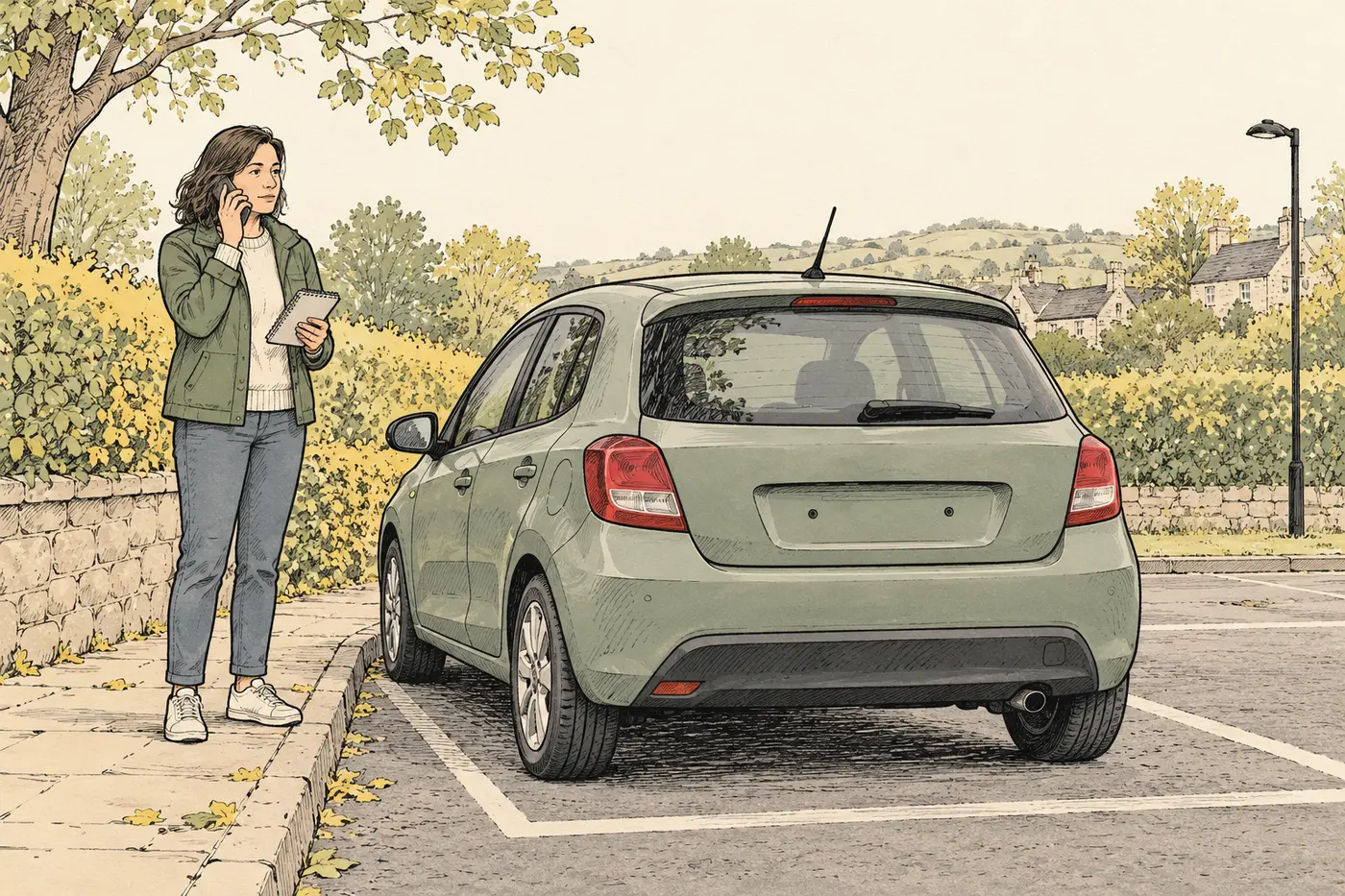
A car advert has clear photographs and the seller shows you a log book. Those details can look reassuring, but they do not prove the seller owns the car or that an online offer is genuine. Police warn that a history check may miss a cloned stolen vehicle. Another risk comes earlier: a seller who presses you to send a holding deposit or transport fee before you have seen the car. Check the actual vehicle and paperwork before paying anything. If you have already sent money, contact your bank promptly and report suspected fraud; this guide also explains what to do if a car you bought may be stolen.
ishowcrime desk
Sources checked 13 November 2026
Here’s what you can do.
Check the details before the viewing
Ask for the registration, make, model and MOT test number. Use the official GOV.UK links below to compare DVLA records, MOT status and history, and safety recalls with what the seller tells you. A mismatch needs resolving before you pay. An advert connects buyers and sellers; its presence on a familiar website is not a guarantee. Police.uk says to view the vehicle and its documents before making any payment, and not to be pressured into a holding deposit or transport fee before seeing it. A demand to transfer money quickly, especially through an unfamiliar payment site, is a reason to stop and check independently.
Compare the car with its documents
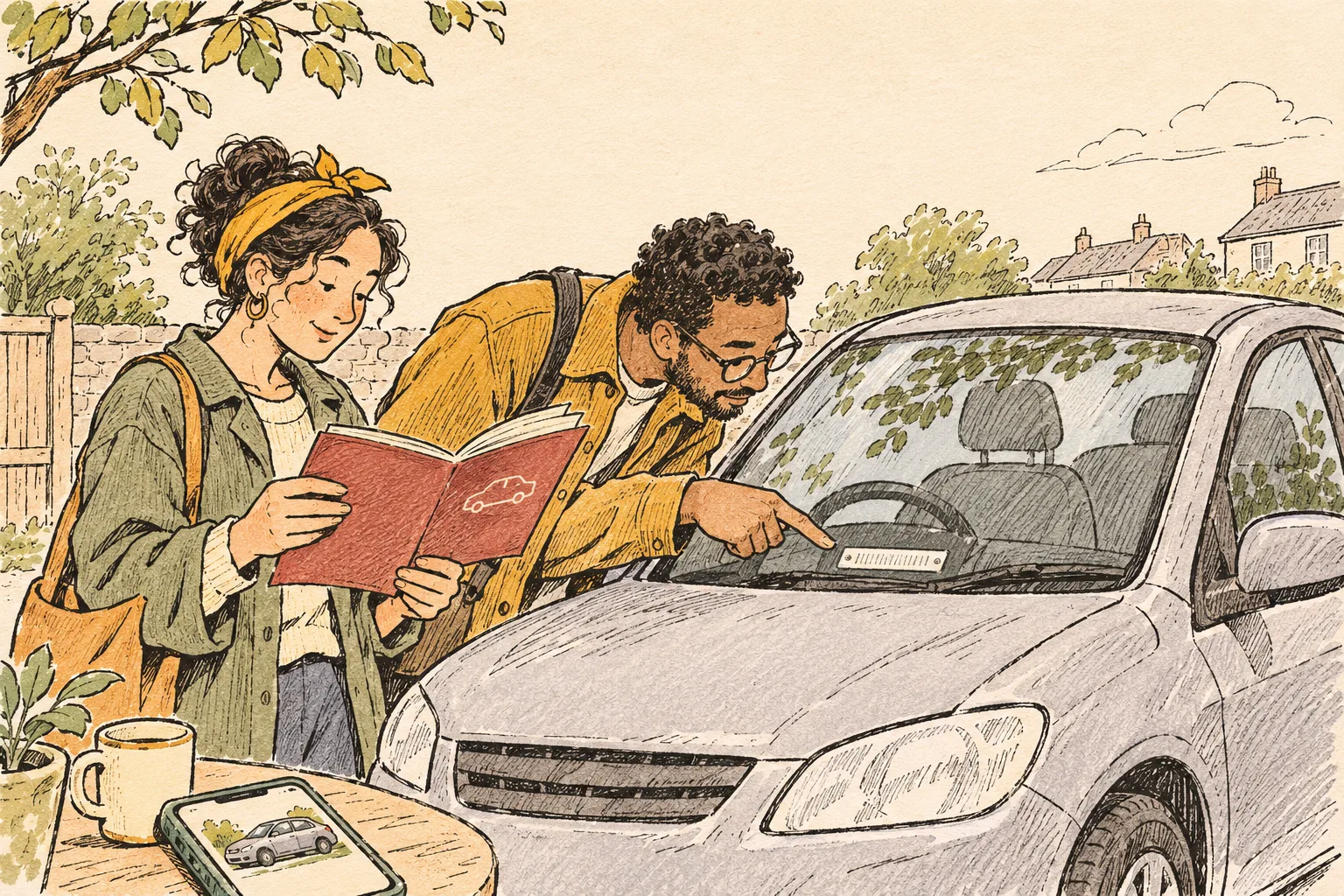
At the viewing, inspect the V5C log book and compare its details with the car. Check the vehicle identification number (VIN) and engine number against the log book. GOV.UK explains how to check its watermark and lists stolen-document serial-number ranges; use that checklist rather than guessing from a photograph. The V5C records the registered keeper, who may not be the legal owner. A history check can reveal problems but may miss a cloned stolen vehicle. If the identity or the seller's right to sell remains doubtful, pause the purchase. Before any payment, ask how it will be made and what receipt you will receive. Police.uk advises using a known payment provider after checking its terms; if making a direct bank transfer, send it only at collection. A seller's link to a supposed holding-payment site is not proof that the site protects your money.
Get help if you suspect it is stolen
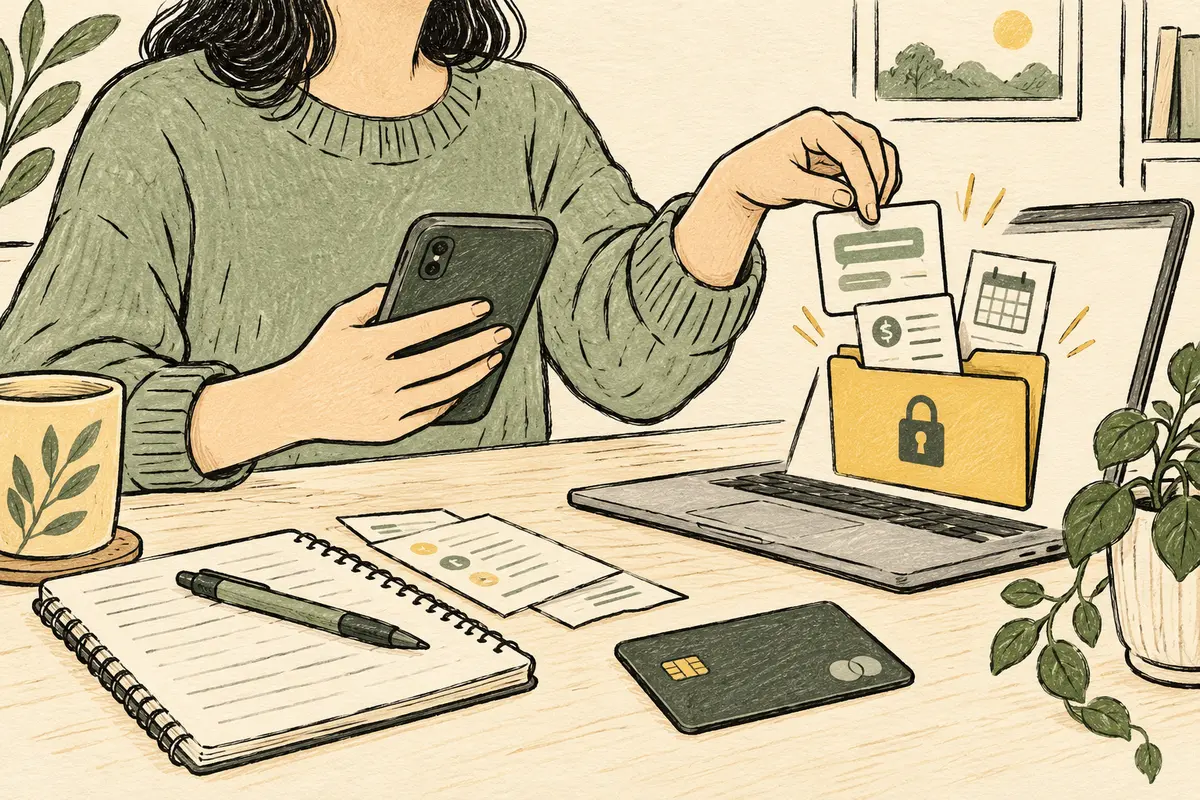
If you have already bought the car and think it was stolen, call police on 101 and explain what you know. Ask how they want to deal with the vehicle. Citizens Advice says not to keep suspected stolen goods or return them to the seller yourself. Use 999 for a crime happening now or immediate danger. Keep proof of purchase. When police take the vehicle, obtain the crime reference and property log number. These help support a refund request. The England refund advice below explains the next route; getting your money back is not guaranteed. If you paid a deposit for a car you never received and suspect a scam, contact your bank promptly through its official channel to ask about recovery, keep the advert and payment record, and report suspected fraud to Report Fraud. That is a different problem from discovering that a car you possess may be stolen; tell the police which situation applies.
Your quick checklist.
Tick what you’ve done. This stays on this page.
0 of 3 markedDownload a short text copy to read without internet. It cannot call or alert anyone.
A few things explained.
Does a clear vehicle-history check prove the car is not stolen?
No. PSNI warns that a history check may not reveal a cloned stolen vehicle. Treat it as one check alongside inspecting the car and comparing its identifying numbers with its documents. A plausible advert and matching-looking paperwork are not a promise of legal ownership.
What can I do about my money if police confirm the car was stolen?
Citizens Advice's England guidance says you have a right to a full refund from the seller. Request it with proof of purchase and the police crime reference and property log number. If the seller refuses and you paid by debit or credit card, ask your bank about possible recovery. The Citizens Advice page below links to further consumer help. A refund right does not ensure the seller can be found or will pay; get advice before taking court action.
I paid a holding deposit but never received the car. What now?
Contact your bank promptly using its official app or a trusted number and ask whether the payment can be recovered. Keep the advert, messages and payment details, and report suspected fraud to Report Fraud. Police.uk warns against advance payments before seeing a vehicle and says direct bank transfers should be made only at collection. A recovery is not guaranteed.