A builder wants full payment upfront. What should I check in England?
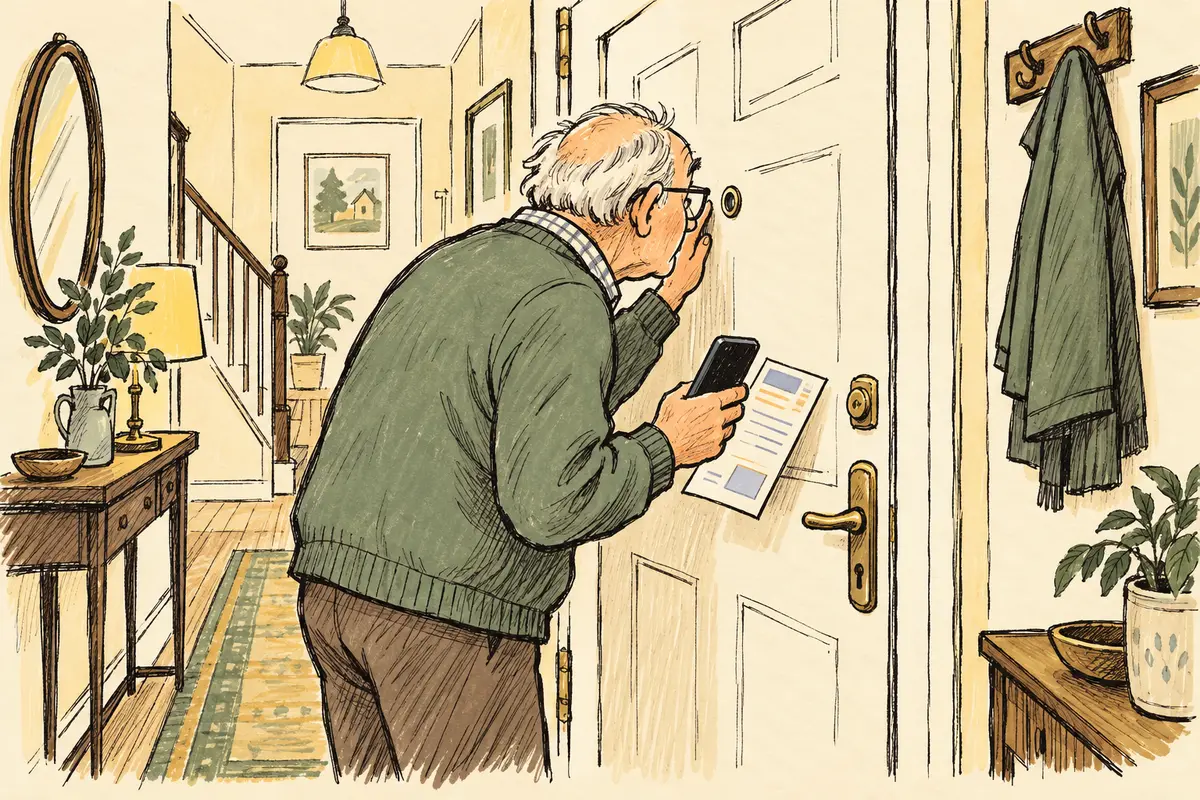
A builder offers to start soon but wants the whole price upfront. If they disappear or leave the job unfinished, you could lose that money. Cash-only demands, pressure to decide immediately and refusal to put the job in writing are warning signs, not proof of fraud. Roof-repair scams can start with a cheap job, followed by claims that much more work is needed. Bromley Trading Standards warns that scaffolding put up quickly can make people feel committed. Pause before agreeing to a higher price and seek independent advice.
ishowcrime desk
Sources checked 26 October 2026
Here’s what you can do.
Check the business independently
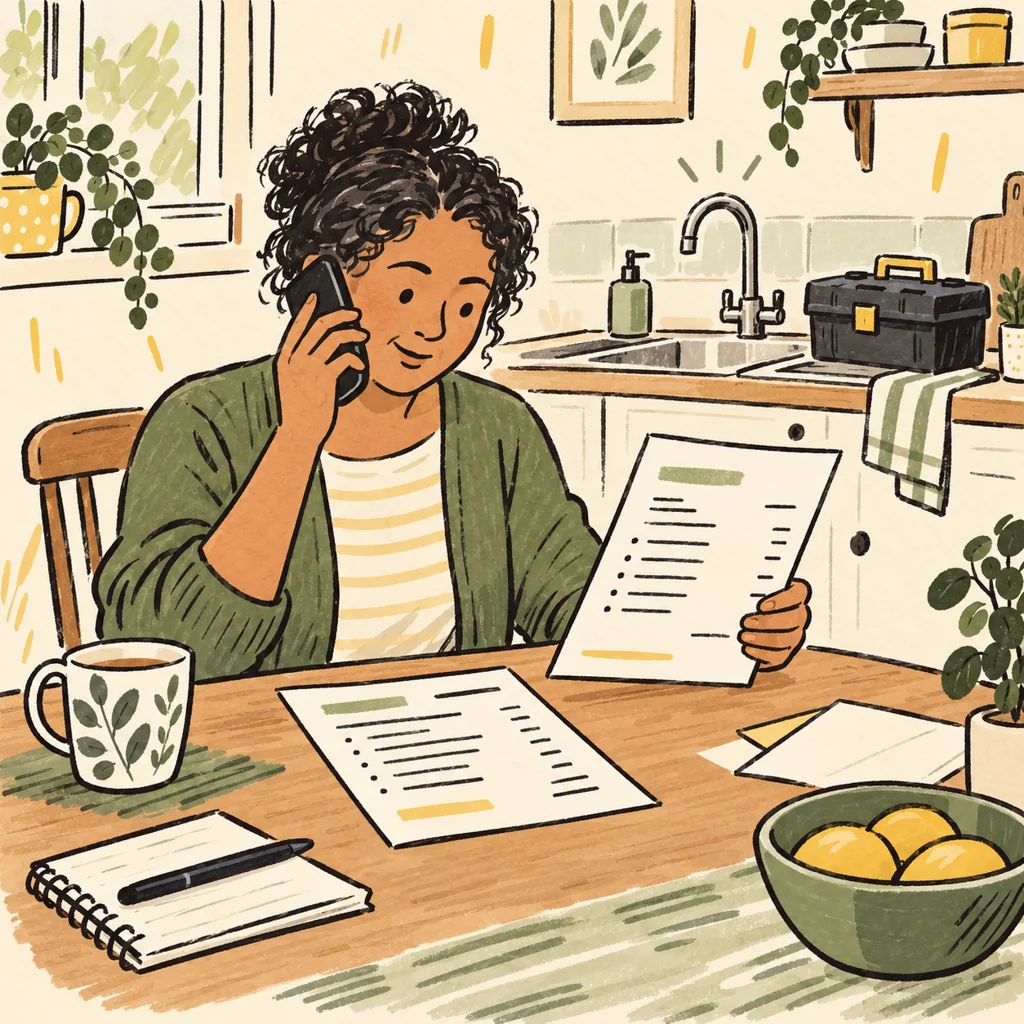
Do not agree to an unsolicited repair offer at the door. Find a trader independently and get their full contact details. Check any claimed trade-body or approved-scheme membership on that organisation's own website; a badge on an advert is not enough. Your council may list approved traders or link to a scheme. If checking online is difficult, Citizens Advice can help you find a trader.
Agree the job and payment stages
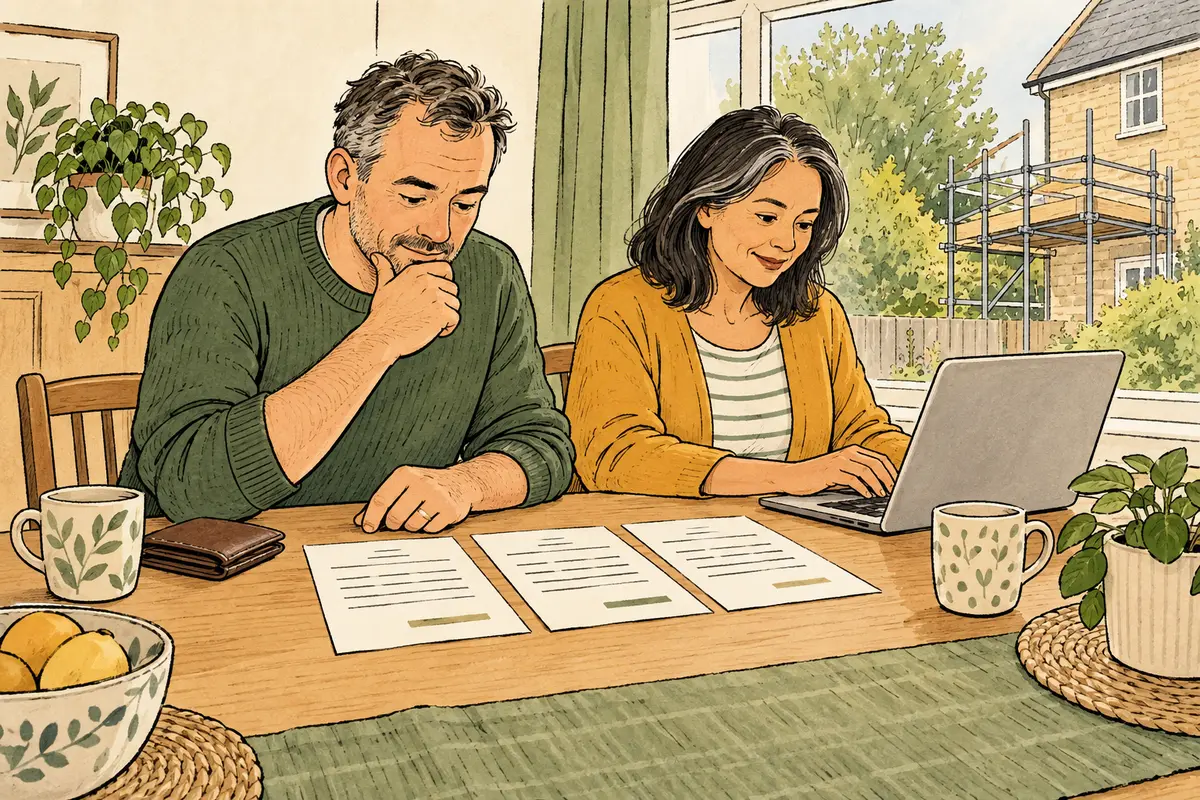
Compare written quotes from at least three traders. Before accepting, record the work, materials, price, start and finish dates, and when payments become due. Do not agree to pay the whole amount before work starts. Staged payments give you a chance to raise problems before the final payment. Pay by debit or credit card if possible rather than cash. Ask for the cancellation information before agreeing to an early start. Saying yes to a quote can create a contract even without a signature. If a trader claims extra work is needed, ask for the proposed work and price in writing and take time to check before agreeing.
Keep records and ask for help
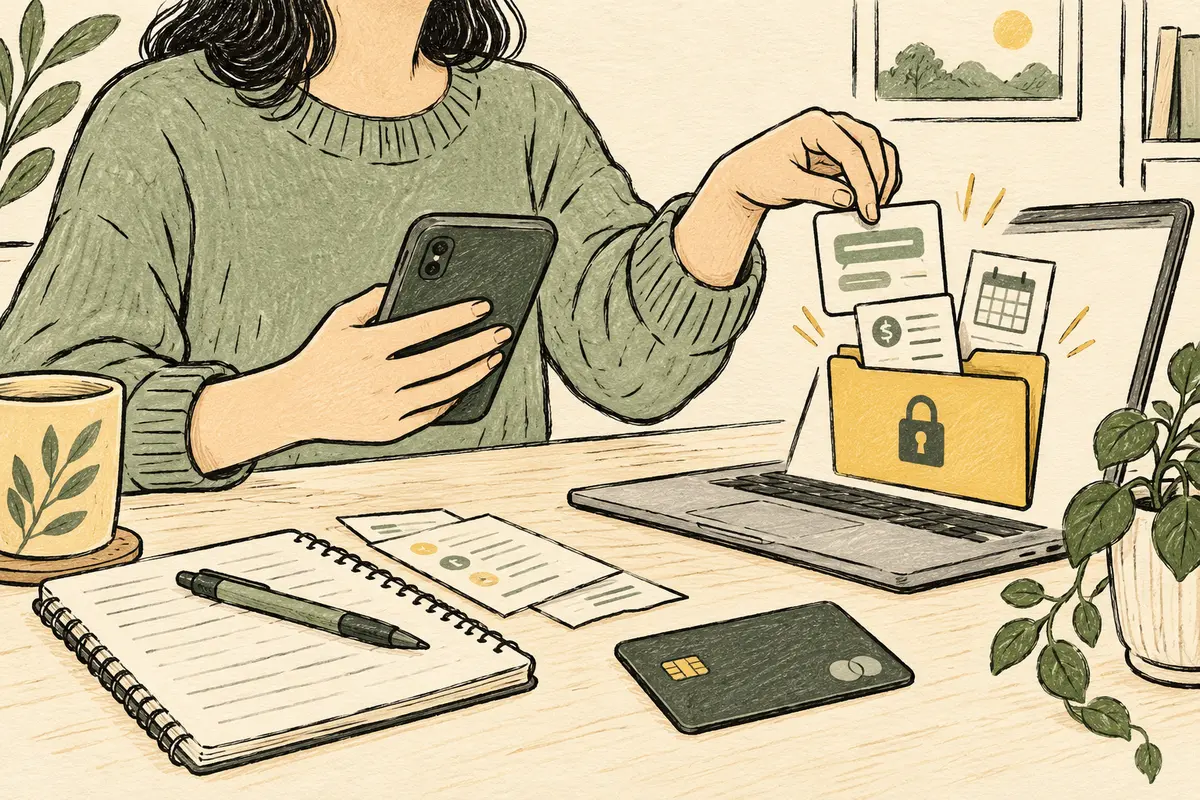
If something goes wrong, keep messages, receipts and notes of dates and events. Photograph work only when safe. Citizens Advice can explain your options and pass relevant information to Trading Standards, but cannot make your complaint or take legal action for you. If you believe a payment was a scam, contact your bank or payment provider straight away rather than waiting for the consumer complaint to finish. For consumer advice, call 0808 223 1133, Monday to Friday, 9am to 5pm, excluding bank holidays. If you want to cancel, tell the trader clearly and keep a dated copy of your message. Ask Citizens Advice promptly if you are unsure about your rights or the amount being demanded.
Your quick checklist.
Tick what you’ve done. This stays on this page.
0 of 3 markedDownload a short text copy to read without internet. It cannot call or alert anyone.
A few things explained.
Is every request for a building-work deposit a scam?
No. A deposit can be needed for a long project. Citizens Advice suggests keeping it as low as possible, getting a receipt and checking deposit-protection insurance. If money is requested for materials, ask whether you can buy them yourself. A deposit is different from handing over the entire price.
What if I already paid and the builder has disappeared?
Contact your bank or payment provider promptly and explain what happened. For card payments, ask whether chargeback or Section 75 applies; eligibility depends on the purchase and payment method. Give Citizens Advice the trader's details, payment record and what you have tried, even if some information is missing. You can report suspected bogus trading to police online or on 101.
Can I cancel building work agreed at home?
For a service agreed at home costing more than £42, cancellation normally lasts 14 days from the day after agreement. Exceptions include urgent repairs you requested and made-to-measure goods; goods with fitting can have different timing. If you requested an early start in writing and received the required information, you may owe for work done. A completed service can lose cancellation rights if you requested early performance and acknowledged that consequence. Starting work without your request does not automatically remove your rights. Missing cancellation information can extend an applicable cancellation period by up to 12 months beyond its normal end. If supplied during that extension, you normally have 14 days from the following day to cancel. A clear cancellation statement is enough; you need not use the trader's form. Keep dated proof and ask Citizens Advice to check the deadline, exceptions and any payment demanded.