A courier asks for a parcel code. How do I check it?
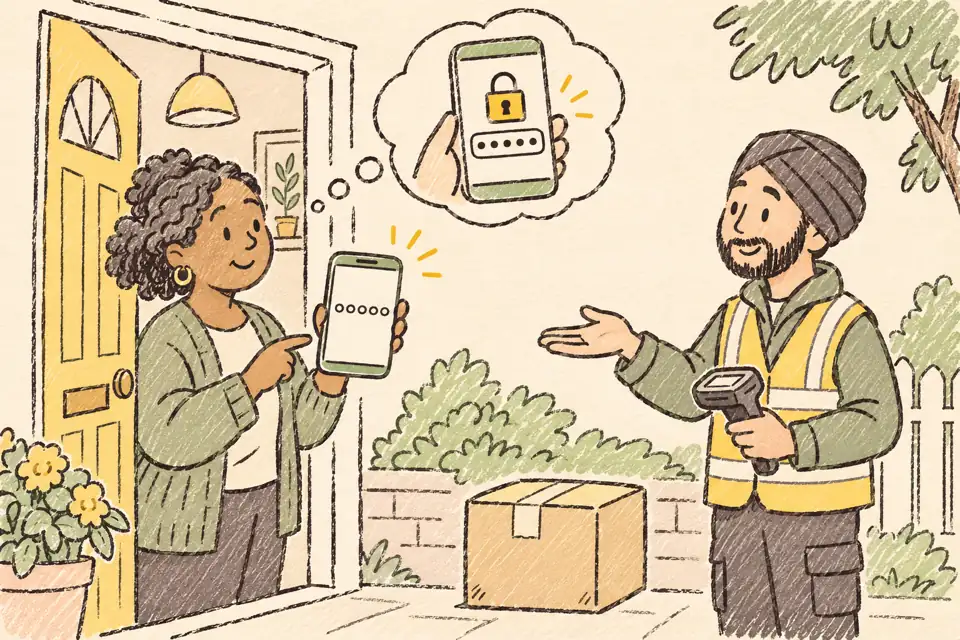
A courier at your door asks for a code while a parcel is being delivered. That can be a genuine handover check: Amazon Shipping says some recipients of eligible orders placed outside Amazon.co.uk receive a six-digit delivery passcode and the driver collects it at the doorstep before releasing the parcel. A caller or text asking for a code for an unexpected parcel is a different situation. It may be trying to get a sign-in code for your account. Check the order and what the message says before sharing anything; a uniform, familiar name or urgent delivery story does not settle it.
ishowcrime desk
Sources checked 10 November 2026
Here’s what you can do.
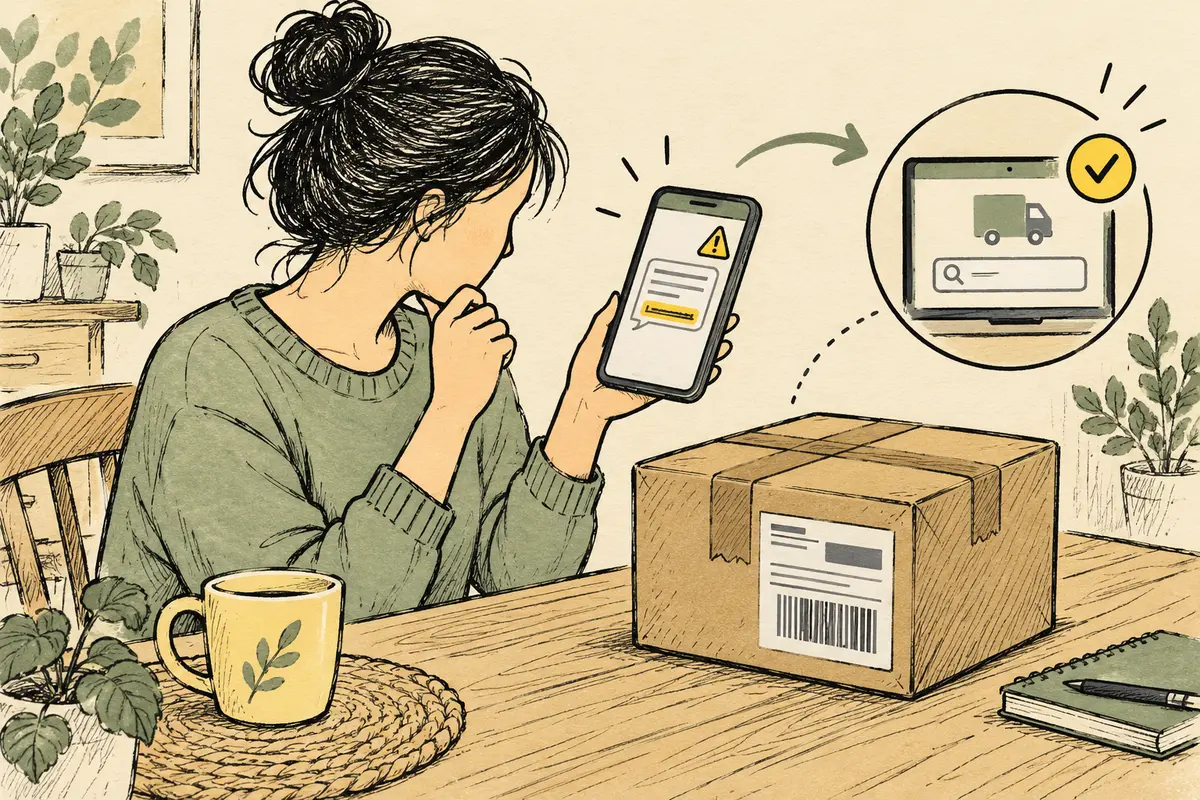
Check the order and the kind of code
Open the retailer's real app or website yourself and look at your orders and tracking. Do not use a link in the message. Read the code message carefully: is it a delivery handover code for an order you recognise, or an account sign-in, password-reset or payment code? For eligible orders placed outside Amazon.co.uk, Amazon Shipping describes a delivery code collected at the doorstep before the parcel is released. Amazon says its customer-service staff will not ask for an account one-time password over the phone. If there is no matching order, pause and contact the retailer through its own app or site.
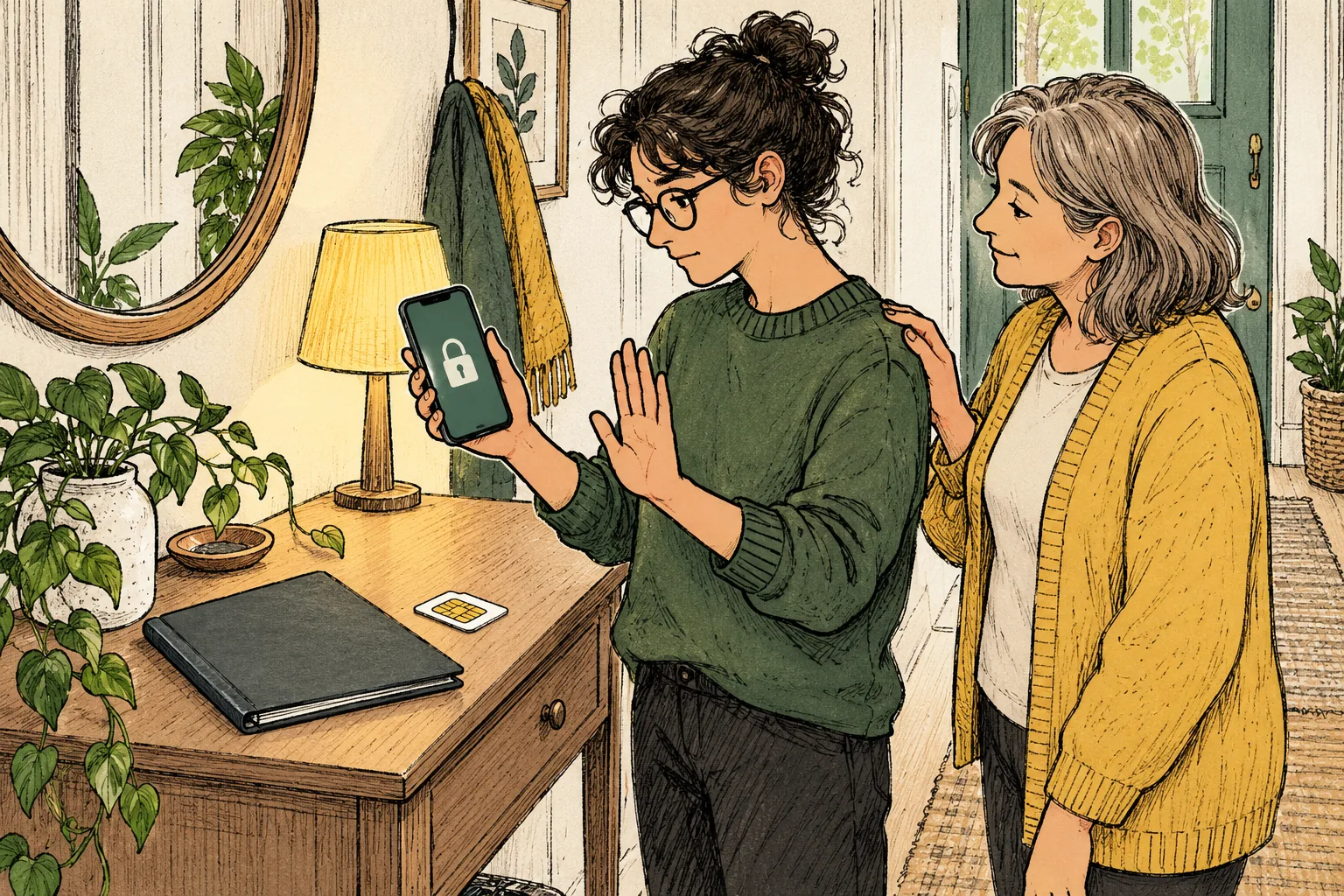
Keep account codes private
Do not read an account sign-in, password-reset or payment code to someone who calls, texts or messages about a delivery. End a pressuring call and use the retailer's official help route. For a delivery handover code, check the matching order and give it only when the expected parcel is being handed over under the courier's stated process. If anything does not match, hold back the code and ask the retailer or carrier to investigate. Do not let someone into your home just to check a code.
Act if you shared a code or a parcel goes missing
If you gave out an account code, open the real account on a trusted device and follow its security or recovery steps. Change an exposed password wherever reused, review recent orders and signed-in devices, and contact your bank directly if payment details or money may be affected. If the order shows delivered but the parcel is missing, use the retailer's own missing-package process; Amazon advises checking the order, delivery notice or photo and household members before contacting its customer service or the carrier. Report a suspicious Amazon message through Amazon's Report a Scam route. You can forward scam texts to 7726 and emails to report@phishing.gov.uk.
Your quick checklist.
Tick what you’ve done. This stays on this page.
0 of 3 markedDownload a short text copy to read without internet. It cannot call or alert anyone.
A few things explained.
Are all courier requests for a code scams?
No. Amazon Shipping describes a genuine one-time delivery passcode that the driver collects at the doorstep before handing over certain parcels ordered outside Amazon.co.uk. Check the order through the retailer's real app or website and confirm that the code message is about that delivery. A request from a caller for an account login code is different.
What if someone says they need the code before reaching my door?
Do not give it just because they say delivery will fail. Check the order and the carrier's official instructions first. Amazon Shipping's published process collects its delivery code at the doorstep before releasing the parcel. If the request is for an account one-time password, Amazon says its representatives will not ask for that over the phone.
What if I shared the wrong code or the parcel is marked delivered?
If the code was for account access, use the real provider's security or recovery pages immediately, check orders and payment activity, and tell the bank about any financial exposure. If the problem is a missing parcel, follow the retailer's missing-delivery route. For Amazon orders, check Your Orders, notices, the delivery photo and household members, then contact the carrier or Amazon customer service as its guidance explains. An incorrect delivery record does not by itself prove a scam.