A faith leader dismisses my safeguarding concern. Who else can I tell?
For example, you raise a child-safety concern and a respected faith leader tells you not to embarrass the community or says the organisation will deal with it privately. That response does not prove abuse has happened, but it must not prevent independent safeguarding help. You do not need the organisation’s permission, or proof of abuse, to share a genuine concern with the appropriate service.
ishowcrime desk
Sources checked 20 October 2026
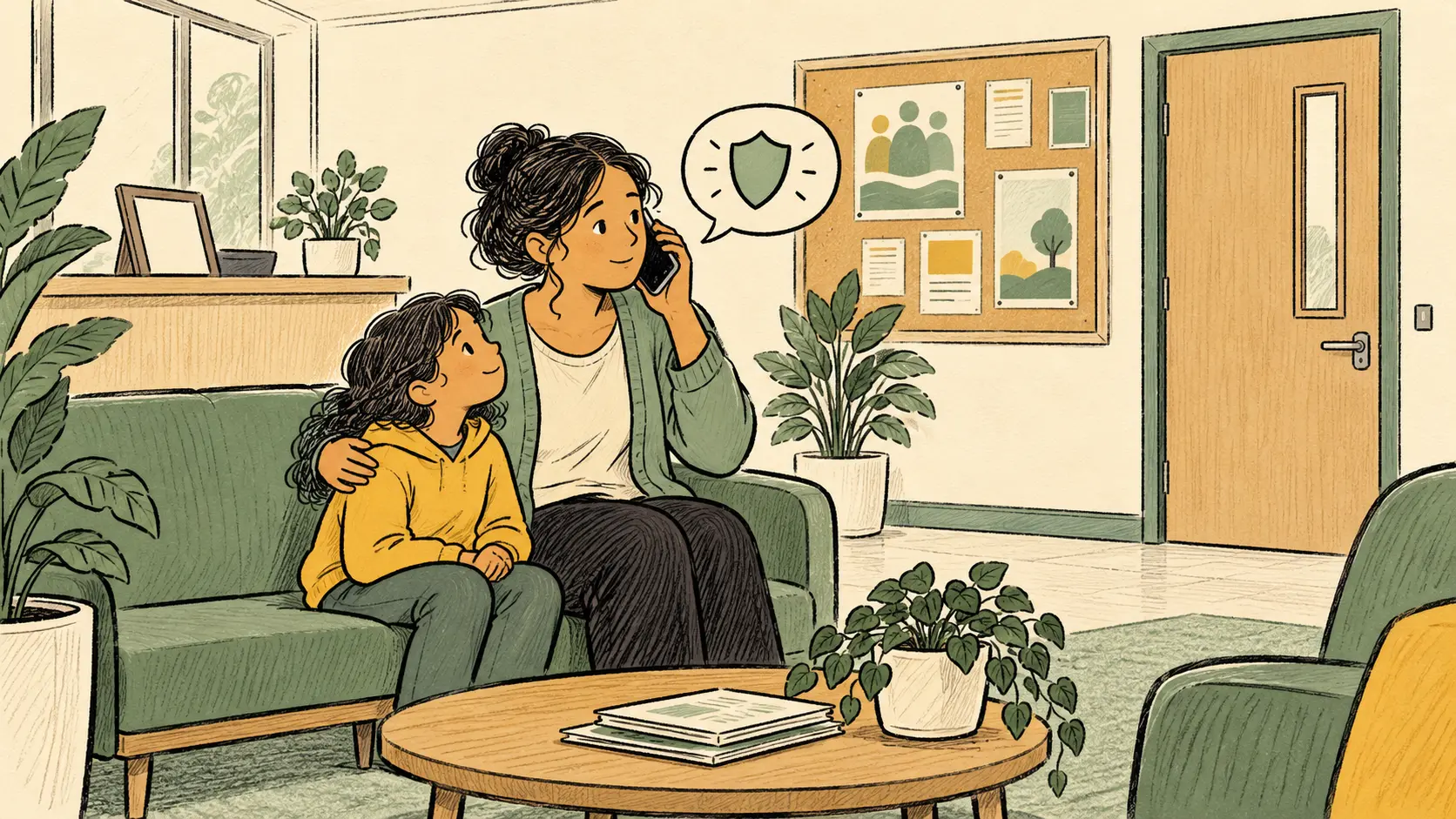
Here’s what you can do.
Listen calmly and explain what happens next
Give the child time and use their words rather than asking leading questions. Reassure them that telling you was the right thing to do and that the worry is not their fault. Explain that you may need to share the concern with people who can help keep them safe. Do not ask them to repeat the account to several people.
Record facts and contact an independent service
Write down what you saw or heard, when it happened and the child’s exact words where possible. Separate facts from your opinion. Do not confront or investigate the person the concern is about. Call 999 if a child is in immediate danger. Otherwise contact the child’s local statutory safeguarding service, or police on 101 if you believe a crime may have happened. You do not need to be certain before reporting a suspicion.
Do not let an internal dismissal end the matter
If a leader discourages the report, use a route outside that person’s authority. The NSPCC Helpline can advise adults on 0808 800 5000; check its page for current opening times. You may also tell another independent safeguarding lead. If the organisation is a registered charity in England or Wales, a Charity Commission concern can address how the charity handled safeguarding, but it does not replace children’s services or police when a child may be at risk.
Your quick checklist.
Tick what you’ve done. This stays on this page.
0 of 3 markedDownload a short text copy to read without internet. It cannot call or alert anyone.
A few things explained.
Which statutory service should I contact in each UK nation?
In England, contact the child’s local council children’s social care team. In Scotland, use the local council child-protection route. In Wales, contact local social services through the safeguarding-board details. In Northern Ireland, contact the Children’s Social Work Gateway team for the HSC Trust where the child lives. Call 999 for immediate danger anywhere in the UK.
Can a child speak to someone directly?
Yes. Childline supports children and young people free on 0800 1111. A child can also tell another trusted adult, such as a teacher, relative or healthcare professional. If one adult does not listen, they can keep telling a different safe adult.
When is the Charity Commission route relevant?
It is relevant to concerns about wrongdoing or safeguarding failures in a registered charity in England and Wales. The Commission’s guidance also points people to police, the NSPCC and statutory safeguarding services where someone may be at risk. A regulator report is separate from getting immediate protection for a child.