What if a sports coach sends my child worrying private messages?
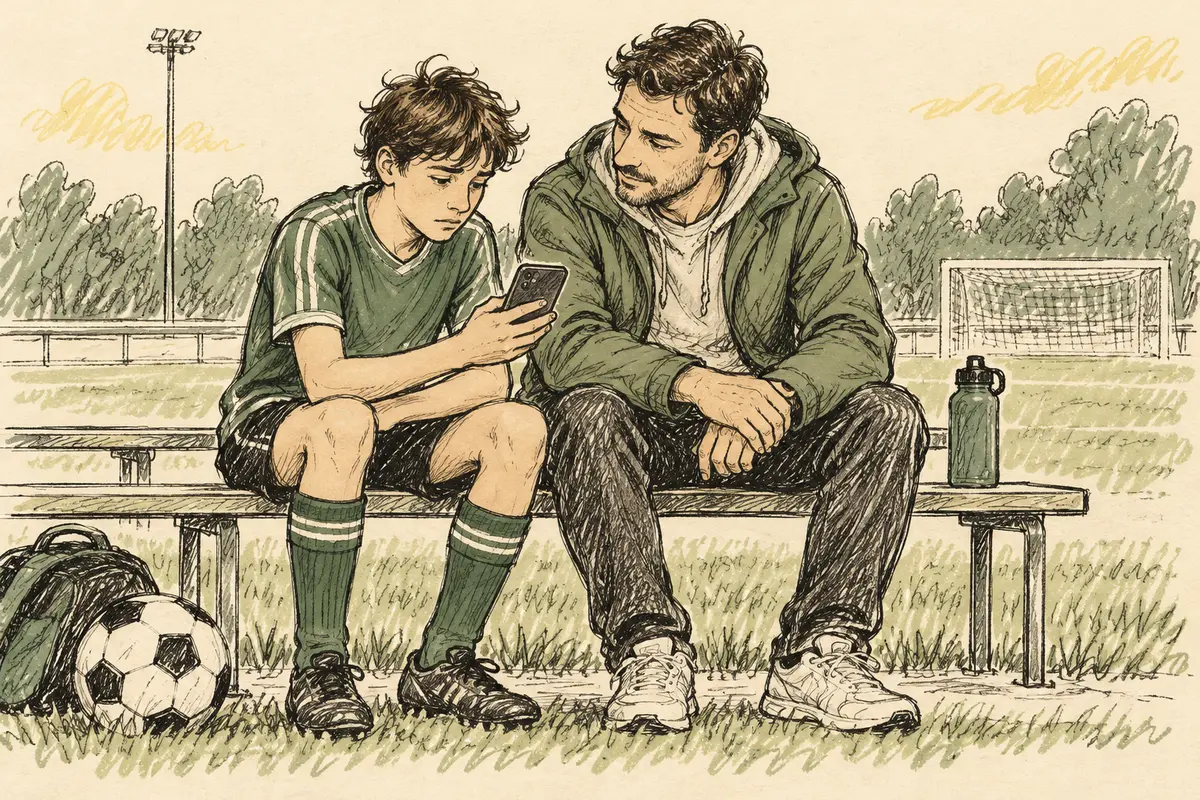
Your child shows you a private message from a coach and says it makes them uncomfortable. A familiar adult's role does not make every contact appropriate. NSPCC Sport advises against staff sending private messages to young participants and recommends communication through parents or suitable public pages or groups. These boundaries make contact more visible to others. A message alone does not prove abuse, but you can raise a safeguarding concern without deciding whether a crime has happened.
ishowcrime desk
Sources checked 29 October 2026
Here’s what you can do.
Listen and reassure your child
Give your child time to explain the messages and how they feel. Stay calm, take the worry seriously and reassure them that telling you was right. If they describe abuse, make clear it is not their fault. Explain that you will share the concern with someone who can help; do not promise secrecy. Write down their exact words where possible and separate what you observed from your opinion. Do not confront the person accused. A calm response helps your child keep talking, while clear notes help safeguarding professionals assess the concern.
Check the club's reporting route
Contact the welfare or safeguarding lead. Ask for the child-protection, complaints and staff-communication policies, including rules for messaging apps, communication times and who monitors club accounts. Explain how the contact differs from those rules and how your child feels. If the concern involves the lead, use the sport's governing body or an external safeguarding service. Missing reporting procedures or a safeguarding contact are warning signs in the Department for Education's England guidance. Do not let a missing policy prevent you seeking outside help. Behaviour that breaks the code of conduct still needs attention even if it is considered a lower-level concern. Safeguarding professionals can assess the response needed; you do not have to prove abuse.
Escalate danger or unresolved concerns
Call 999 if a child is in immediate danger. Report a disclosure of abuse promptly to police or local children's services; do not wait for a club complaint to finish. In England, the council's local authority designated officer handles allegations against people working with children. For advice, adults can call NSPCC on 0808 800 5000; check its current opening times. If concerns increase while waiting, contact police or children's services directly. Children can contact Childline free on 0800 1111. For suspected online sexual abuse or grooming, the CEOP route below explains who can report and when.
Your quick checklist.
Tick what you’ve done. This stays on this page.
0 of 3 markedDownload a short text copy to read without internet. It cannot call or alert anyone.
A few things explained.
What if the messages also raise worries about physical contact in training?
Tell the safeguarding lead about both concerns. Some contact is necessary to teach a skill, treat an injury or prevent an accident; it is not automatically abuse. NSPCC Sport says that, except in an emergency, the adult should ask the child first, explain why contact is needed and listen to their concerns. Contact should benefit the child and should not happen secretly or out of sight of others. Ask for the sport's physical-contact guidance. If your child needs assistance because of an injury or disability, discuss the support with them and the club before participation, including how they prefer to be helped. Do not dismiss discomfort because an adult calls it coaching. Follow the urgent safeguarding route in step three if abuse or immediate danger is disclosed.
Should a coach privately message a child on an encrypted app?
NSPCC Sport advises against one-to-one communication with young people on encrypted platforms. It recommends contact through parents or suitable public pages or groups. Where a club uses messaging apps, messages should come from a business account managed and regularly monitored by trained staff, with clear boundaries. Ask the safeguarding lead how this works in practice. An app being familiar or popular does not establish that a private conversation is appropriate.
What if my child already replied or shared a personal image?
Reassure them that abuse is never their fault and get safeguarding help. Do not circulate sexual images. A parent or concerned adult can report suspected online sexual abuse or grooming to CEOP, including contact by someone the child knows offline. CEOP does not handle ordinary bullying, fake-account or account-hacking reports. If you already reported the concern to police or children's social care, CEOP says a second report to its Safety Centre is unnecessary. Professionals should follow local safeguarding procedures. Call 999 for immediate danger.