A message asks me to apply for a Cost of Living Payment. Is it real?
A text or email says you can claim a government Cost of Living Payment if you fill in a form. That claim can sound helpful when bills are tight, but GOV.UK says there is no Cost of Living Payment for 2026 and no further payments are planned. Earlier payments were made automatically to eligible people; an application link in an unexpected message is a warning sign. A fake form may ask for bank details or passwords. Check the offer through GOV.UK yourself before entering anything.
ishowcrime desk
Sources checked 7 November 2026
Here’s what you can do.
Check the claim on GOV.UK
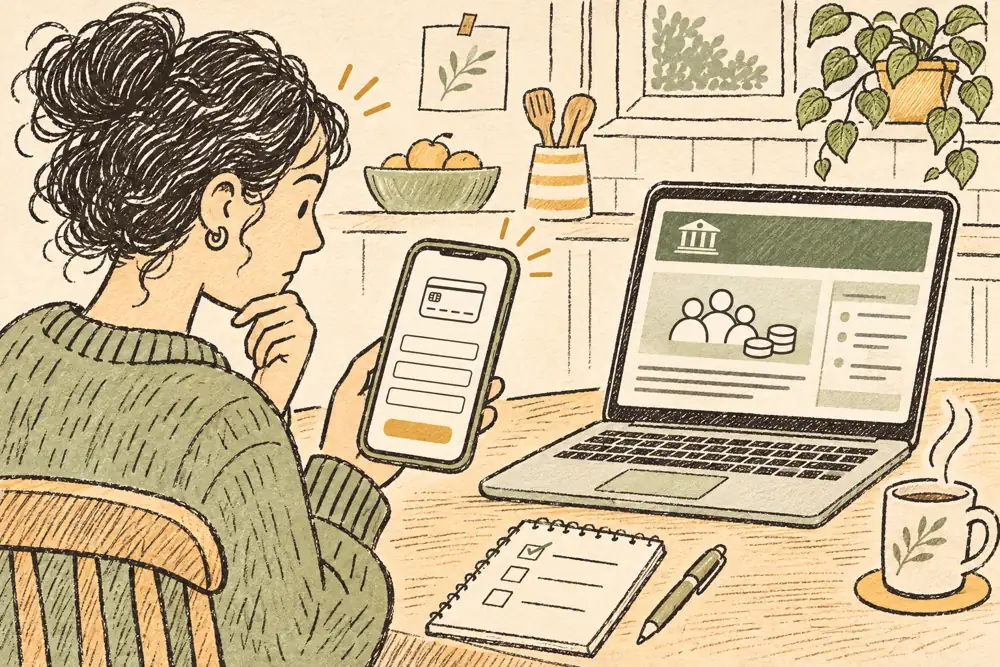
Do not use the link or phone number in the message. Type gov.uk/cost-of-living into your browser, or find it through a search you start yourself. GOV.UK says there is no Cost of Living Payment for 2026 and no more payments are planned. Its earlier payment guidance says eligible people were paid automatically, so a message asking you to apply or contact someone about that payment may be a scam. For example, a message saying “claim by tonight” with a bank-details form would be a reason to stop and check. This is a hypothetical example, not a report of a particular message.
Look for real help separately
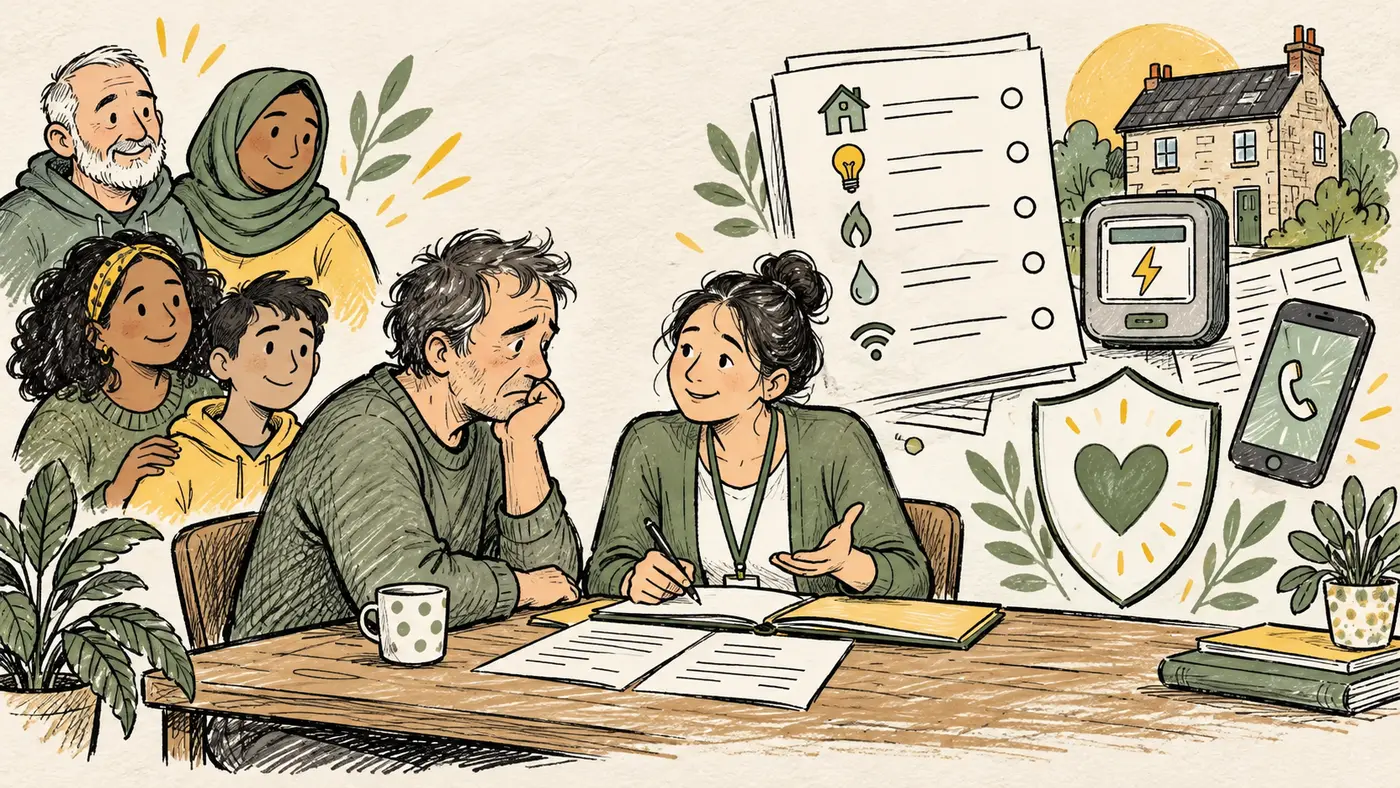
The false payment claim does not mean all financial support has ended. GOV.UK's cost-of-living hub links to a benefits and financial-support checker and, for England, help with bills and local-council support. It also links to the separate support pages for Scotland, Wales and Northern Ireland. Use the relevant official service for where you live, since schemes and eligibility differ. If you think an older Cost of Living Payment is missing, GOV.UK says to contact the office that pays your qualifying benefit or tax credits. Do not use an unexpected message as the route to enquire.
Protect details and report the message
If you entered bank details, contact your bank promptly using its app or a number you find independently. If you gave a password, change it on that account and anywhere else you reused it. The NCSC gives these steps for information shared through phishing. Forward a suspicious text to 7726 where your provider supports it, or a suspicious email to report@phishing.gov.uk. These reports help investigate messages; they are not the same as reporting a loss. If money was taken, report fraud to Report Fraud in England, Wales or Northern Ireland, or Police Scotland on 101 if you live in Scotland or the crime happened there.
Your quick checklist.
Tick what you’ve done. This stays on this page.
0 of 3 markedDownload a short text copy to read without internet. It cannot call or alert anyone.
A few things explained.
Is there a Cost of Living Payment to apply for in 2026?
No. GOV.UK says there is no Cost of Living Payment for 2026 and no further payments are planned. The earlier payments described on its guidance page were made automatically to eligible people. That does not rule out other benefits, council help or separate schemes; check those on official pages.
What if I think an older payment never arrived?
GOV.UK says most eligible people should already have received earlier Cost of Living Payments. If you believe you qualified but cannot see a payment, contact the office that pays your qualifying benefit or tax credits through an independently found route. Do not enter details into a link sent unexpectedly.
I entered my details. What should I do first?
Contact your bank promptly if you shared banking information. Change any password you entered, including on other accounts where you reused it. The NCSC advises these steps after phishing. If you lost money, report it through Report Fraud in England, Wales or Northern Ireland, or Police Scotland on 101 if you live in Scotland or the crime happened there. You can also report the suspicious message to the NCSC or your phone provider.