A scam left me struggling to pay bills. Where can I get help?
A scam loss can leave you short when rent or energy bills are due. You do not have to solve every debt at once. Contact your bank about the fraud, then get help with the bills at risk. Priority debts are those with the most serious consequences if unpaid, not necessarily the biggest balance or highest interest rate. Free debt advice can help you decide what to tackle first.
ishowcrime desk
Sources checked 27 October 2026
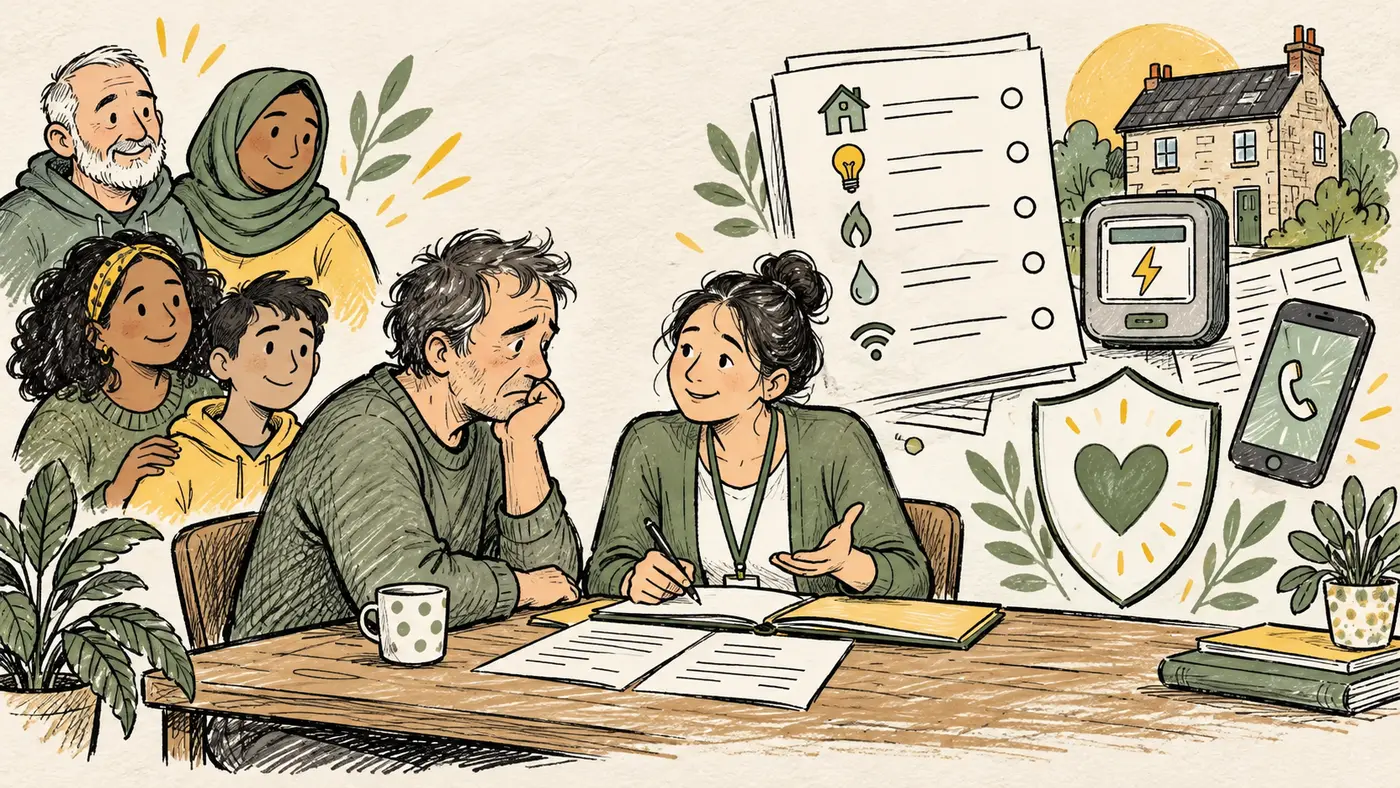
Here’s what you can do.
Contact your bank and report the fraud
If money or banking details were involved, contact your bank or payment provider immediately using its official website or the number on your card. This lets it protect the account and consider recovery. Report fraud through Report Fraud in England, Wales or Northern Ireland; in Scotland, contact Police Scotland on 101. Reporting and getting bill support are separate tasks: do not wait for a recovery decision before asking for debt advice.
Work out which bills need urgent help
List what you owe, payment dates and what you can afford from your income after essential spending. Tell priority creditors early that fraud has affected your finances. Ask what support is available, how any arrangement affects interest or your credit record, and for the terms in writing. Keep notes of who you spoke to. Do not agree to payments you cannot afford. If speaking to creditors feels difficult, a trusted person or adviser may be able to speak for you with your permission. Ask about communication support or adjustments you need.
Speak to a free debt adviser
Use MoneyHelper's debt-advice locator for confidential, non-judgemental support online, by phone or locally. An adviser can help prioritise payments and check possible benefits or entitlements. Get urgent advice if you face court or bailiff action, disconnection, eviction or repossession; explain any deadline when you ask for help. In England or Wales, ask whether Breathing Space would help while you make a plan. A debt adviser checks whether it is suitable and applies for you. Use the linked free-advice locator; contacting an adviser does not itself start protection. Elsewhere in the UK, ask which options apply where you live.
Your quick checklist.
Tick what you’ve done. This stays on this page.
0 of 3 markedDownload a short text copy to read without internet. It cannot call or alert anyone.
A few things explained.
Which bills should I discuss first?
Rent or mortgage, Council Tax or Rates, and gas and electricity can be priority debts because missing payments can have serious consequences. Ask an adviser to assess your whole situation; other debts still need attention.
What should I ask before accepting a payment break?
Ask whether interest continues, how later repayments change and what happens to your credit record. A payment break is not automatically a debt write-off. Ask for the arrangement in writing so you can check the details.
Does Breathing Space mean I can stop paying my bills?
No. GOV.UK says debt repayments are still due. Standard Breathing Space can give eligible people in England or Wales up to 60 days of protection while they get advice and plan how to deal with debts. For debts included in the scheme, it pauses enforcement, creditor contact about those debts, and additional interest or charges. A debt adviser must assess eligibility and arrange it; it is not an automatic result of reporting a scam. Ask which debts are covered and what you still need to pay. If you cannot afford a payment, explain that to the adviser rather than assuming all bills are on hold. Keep seeking urgent help with court or eviction deadlines.