How can I make my front door harder to force?
A strong lock cannot make up for a weak door or frame. Front-door security depends on the whole doorway, using the locks properly and controlling who has working keys. A stolen spare key matters even when you can still let yourself in. If you live in a flat, check before adding hardware: the entrance may also be a fire door, and an unsuitable alteration can undermine its protection.
ishowcrime desk
Sources checked 4 November 2026
Here’s what you can do.
Engage the fitted locks
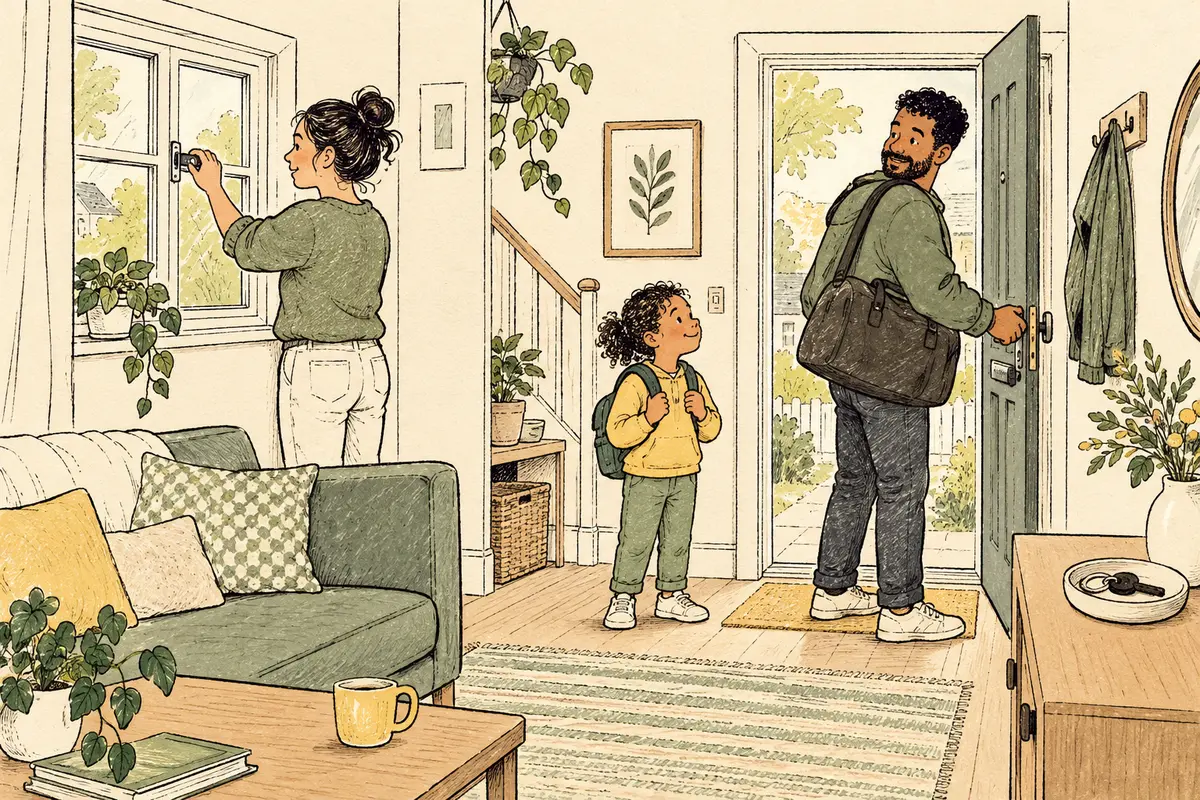
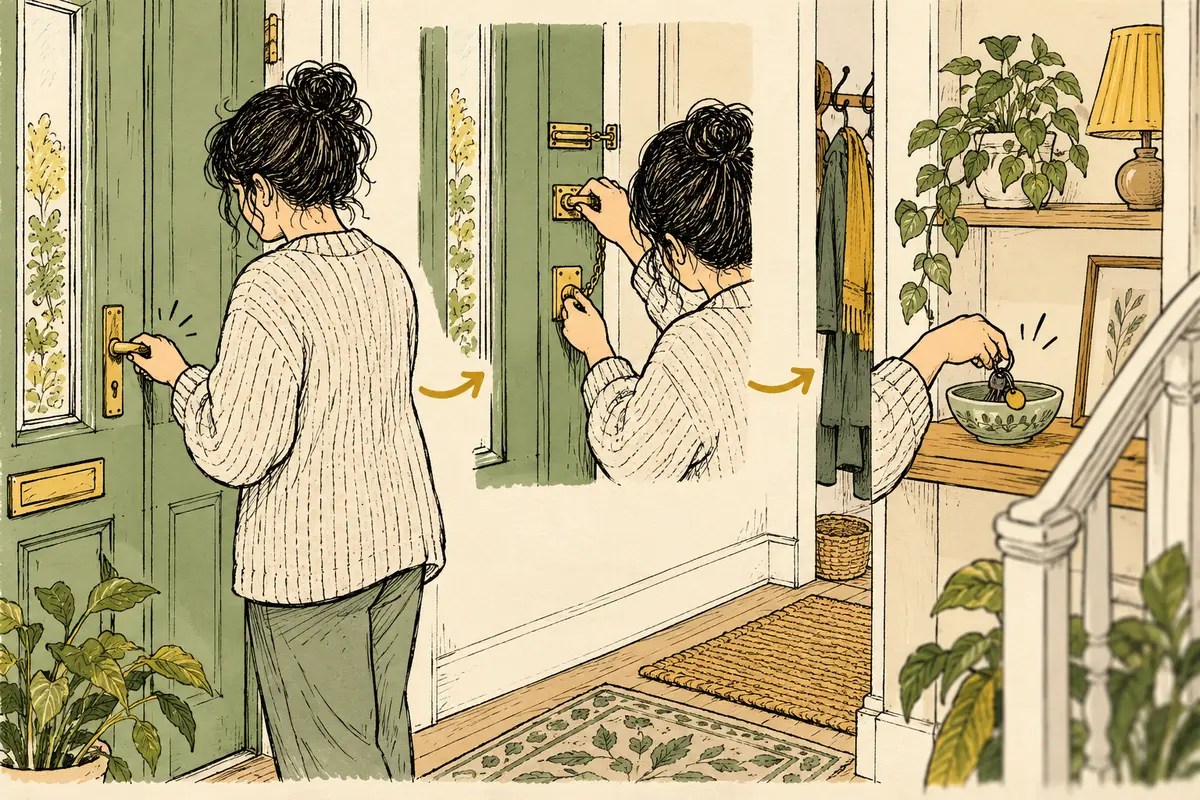
When leaving, use both locks where fitted rather than relying on the latch. On many multi-point doors, lift the handle, turn the key and remove it; that engages the locking system. Keep keys and bags away from the letterbox, windows and pet flaps.
Have the whole doorway checked
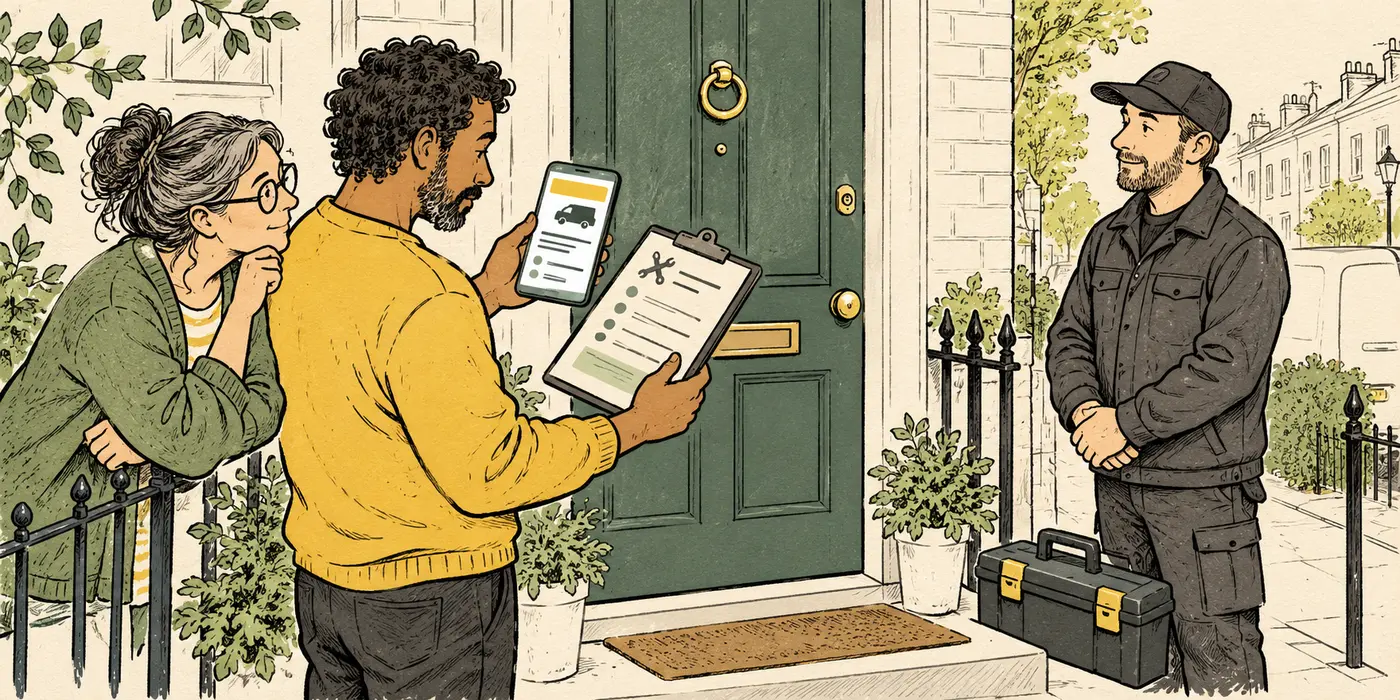
Ask a Master Locksmiths Association member to assess the door, frame, hinges and locks together. Police recommend a three-star TS007 euro cylinder when changing that type of lock. A cylinder protruding outside the door also needs professional attention. Tell the locksmith if the door is a flat entrance or fire door before agreeing changes. If a house key has been stolen, explain that when arranging the visit. The problem is access with a working key, not just the strength of the lock. Use the linked locksmith guide to check the business and agree the work and price before it starts.
Protect the fire door as well
London Fire Brigade says a flat entrance facing a shared area needs to be a suitable fire door. Report damaged seals, loose hinges or a door that will not close onto its latch to the building owner. Do not drill, cut or repair it yourself, or paint over its seals; have a qualified person carry out the work. Do not wedge it open if it sticks: report the problem so it can close fully. If a serious fire risk in London is not addressed, or you feel uncomfortable raising it with the property manager, use London Fire Brigade's reporting route below. Call 999 in an emergency.
Your quick checklist.
Tick what you’ve done. This stays on this page.
0 of 3 markedDownload a short text copy to read without internet. It cannot call or alert anyone.
A few things explained.
Can I fit a security bar or letterbox guard myself?
Police describe these as possible security improvements, but a fire door needs compatible components and qualified work. Check with the building owner and a competent professional before altering a flat entrance door.
What if a spare house key is stolen but I still have my own?
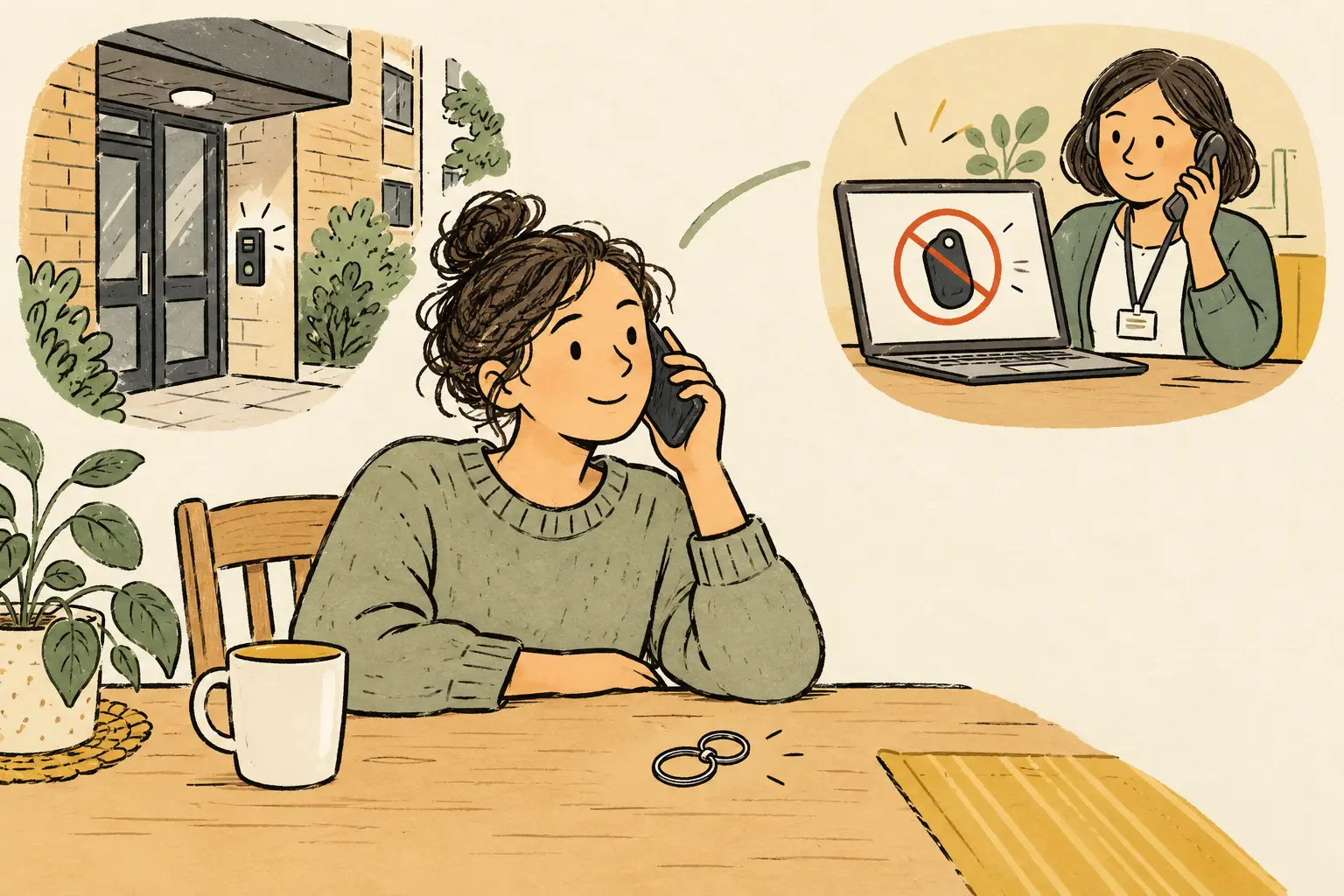
Having your own key does not stop the stolen one opening the same lock. Victim Support advises changing locks after house keys are stolen, especially if the thief knows where you live. Ask a qualified locksmith about replacing the affected locks, and contact your insurer: it may help with the cost, depending on your cover. Tell police about the theft. If the key belongs to a communal entrance, contact the building manager rather than arranging your own alteration; the related entry-fob guide explains shared-access reporting. Fire-door hardware still needs compatible parts and qualified work.
What if damage or a serious fire risk is not dealt with?
Report suspected burglary or criminal damage to police: call 999 if it is happening now or someone is in immediate danger; otherwise use 101 or police online reporting. Ask a qualified locksmith about securing a damaged doorway without compromising its fire protection. London Fire Brigade's fire-risk route covers serious risks that could pose an immediate threat to life, such as a locked or blocked escape exit. Speak to the property manager first if you feel comfortable. If they will not act immediately, or you are uncomfortable raising it, call 020 8555 1200 extension 89170 or use the linked fire-risk reporting page. LFB says calling gets the quickest response. If unsure whether a risk qualifies, you can still report it for assessment. LFB asks for your details but says it will not share your identity. Contact it again if the issue remains unresolved or recurs. This London reporting route does not replace 999 in an emergency.