What should I check at home before going out?
Imagine nearly leaving home before remembering an upstairs window is still open. A regular home-security check catches things missed in a rush, even on a short trip. Ground-floor windows need attention, but a higher window may also be reachable. Locks only help when used, and damaged fittings need repair. These checks reduce opportunities for burglary; they cannot guarantee that it will not happen.
ishowcrime desk
Sources checked 30 October 2026
Here’s what you can do.
Check doors and windows
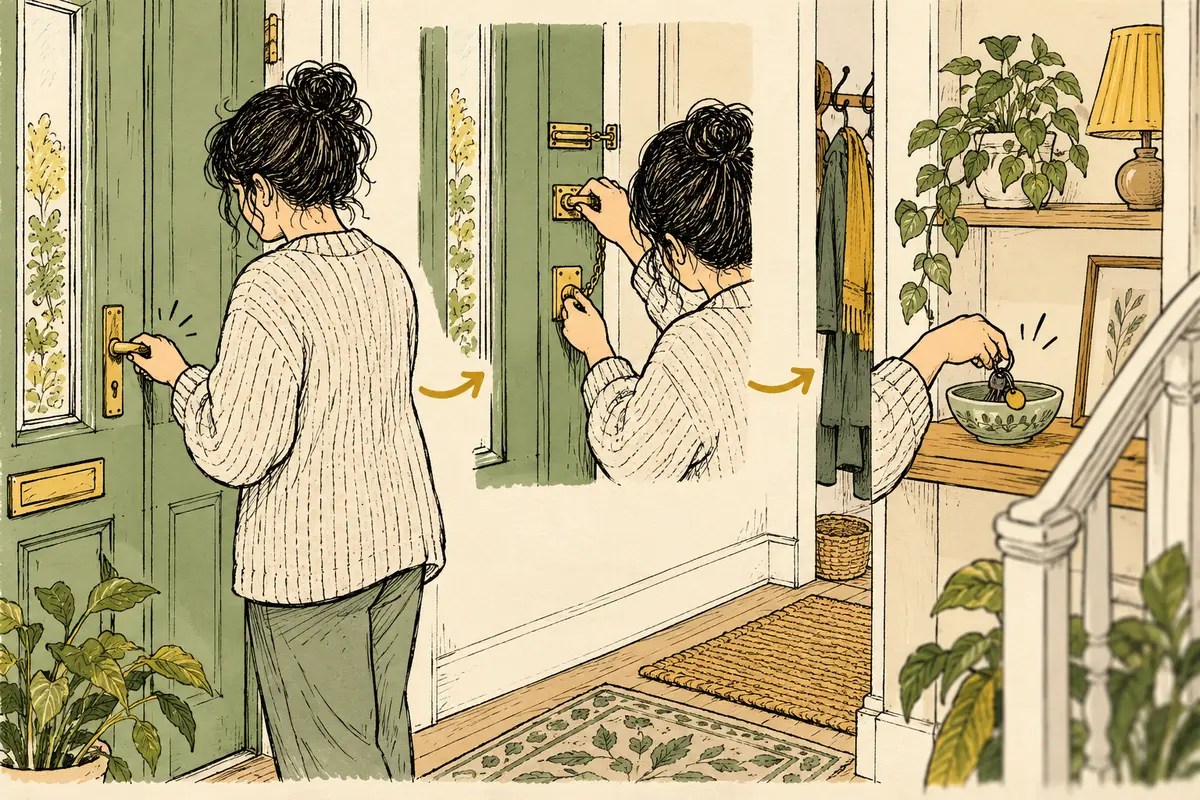
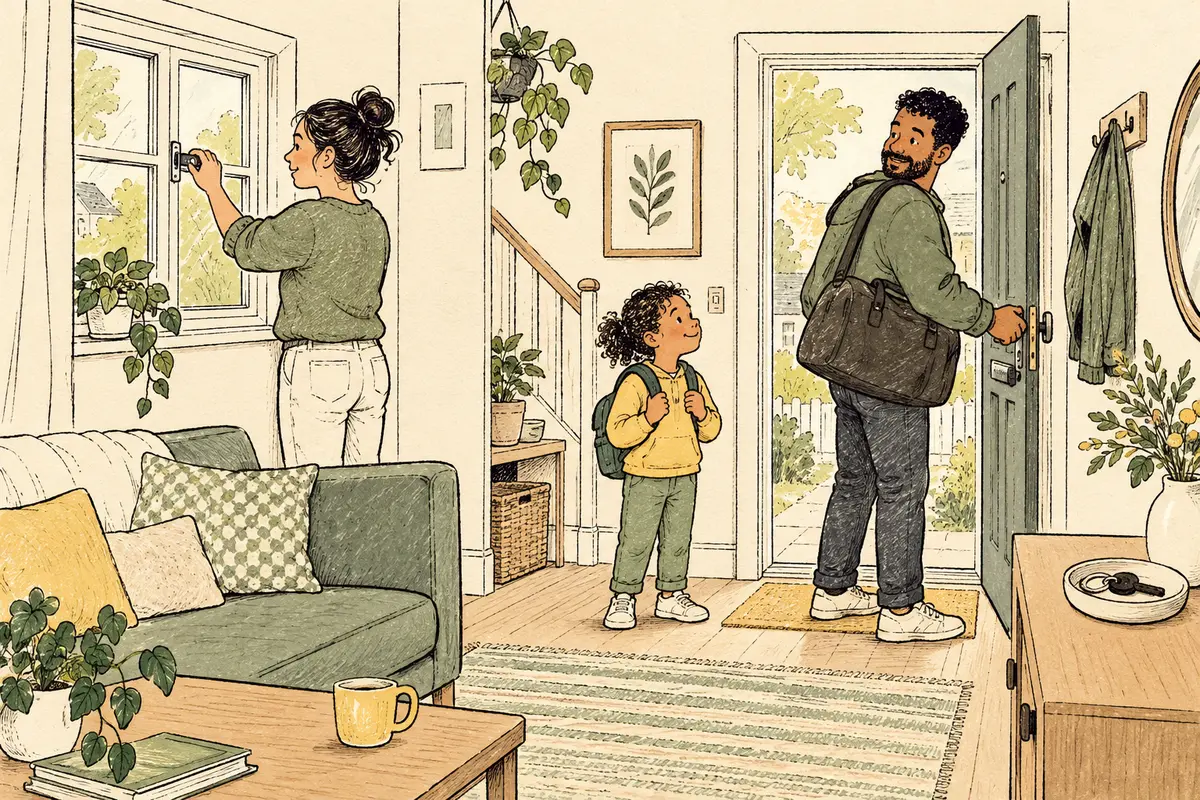
Work through the rooms, closing and locking windows and external doors, including the patio door. Double-lock where appropriate, even for a short outing. Check for visible damage or loose fittings rather than assuming a door is secure because it shuts. For a sliding patio door, check whether it has an anti-lift device to help secure the panel in its frame; ask a locksmith if you are unsure. Repair damaged doors and frames rather than relying on a locking check. Include upstairs windows in the check. Where windows are easy to reach or their locks are unsuitable, ask a Master Locksmiths Association member about suitable locks, sash stops and glazing protection. Do not improvise fittings that could obstruct escape.
Put valuables away and plan for your return
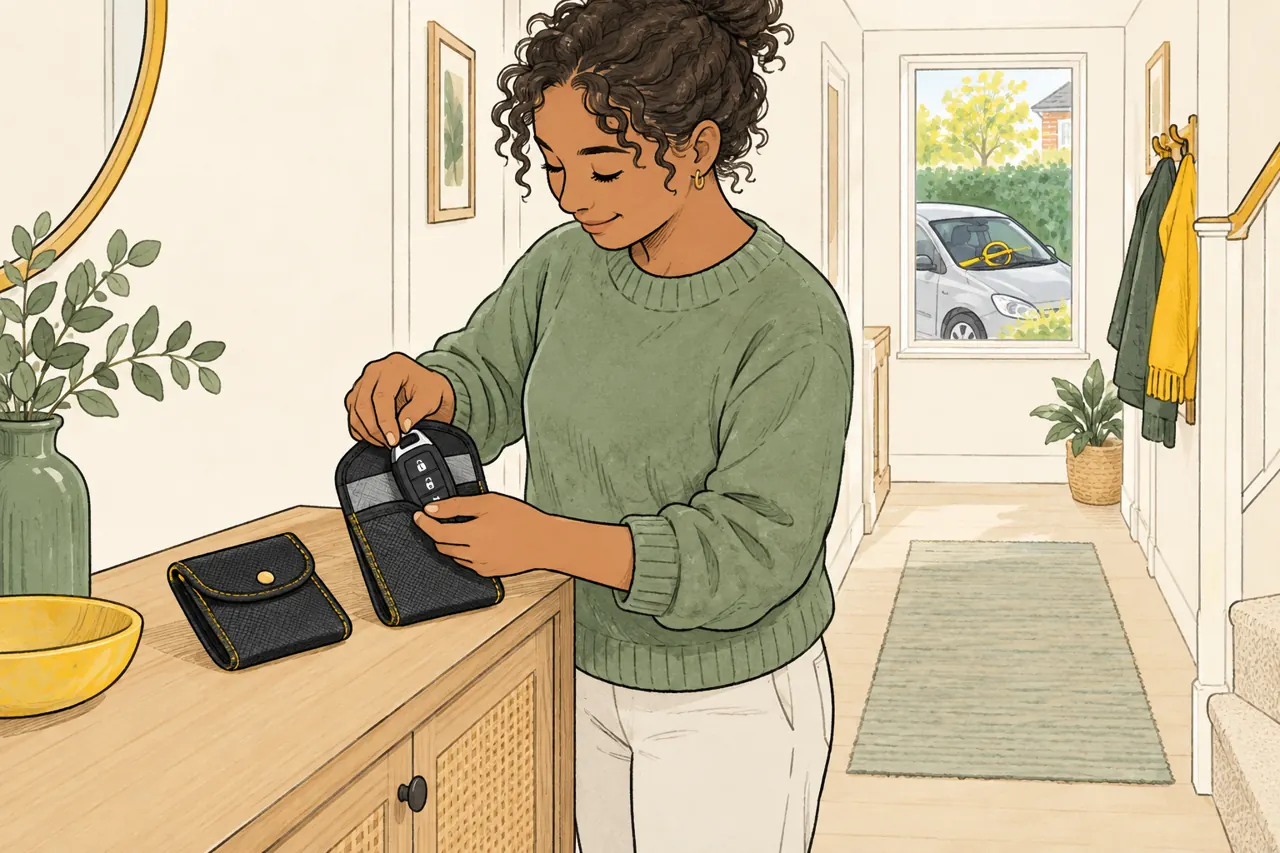
Move valuables out of sight. Keep keys and bags away from doors, windows, letterboxes and cat flaps, where someone might reach them. Put identity and car documents somewhere less obvious than the hallway or kitchen. If you are worried about a deliberate fire attack, ask for specialist help as well as checking locks. The London support option below is for people at risk; it is not an emergency response. If you will be out after dark, use timed lighting and close the curtains. Before a longer trip, ask a trusted neighbour to check the property and cancel regular deliveries. Avoid public holiday posts that advertise your absence; contact trusted helpers directly. Look at windows from outside: move bins or garden furniture that make them easier to reach, where practical, and secure ladders.
Finish the outside check
Lock side gates, sheds and garages, secure bicycles and set any installed alarm. An open side gate can leave a route to the back of the house out of view. For a rear-access passage, Avon and Somerset Police suggest considering a steel bar gate at least as high as the garden fence. Ask a suitable professional about the fit and safe escape arrangements. Front and rear boundaries serve different purposes; see the checks below. Put tools away so they cannot be used to force entry. A fire in waste can spread to a home. London Fire Brigade advises putting bins out only on collection days, storing recycling containers away from buildings and keeping communal bin stores secure and well lit. Keep rubbish and other things that can burn out of corridors, stairs and escape routes. Report missed collections to the council.
Your quick checklist.
Tick what you’ve done. This stays on this page.
0 of 3 markedDownload a short text copy to read without internet. It cannot call or alert anyone.
A few things explained.
How do I secure accessible windows and garden boundaries without blocking escape?
Police recommend closing and locking windows before going out. A restrictor limits opening for ventilation while you are home; it must not be releasable from outside. Ask a qualified expert whether it suits your window and escape arrangements. Police also suggest laminated glass or security film for accessible windows. Keep keys out of reach from outside but where household members can find them in an emergency. A security fitting must not trap anyone inside. For garden boundaries, Avon and Somerset Police recommend low front hedges or walls, under 1 metre, to preserve visibility, and side or rear fencing of at least 1.8 metres to hinder access. These are security recommendations, not planning permission: check allowable heights with your local planning department before changing a boundary. London Fire Brigade says additional security gates or shutters must be easily opened from inside without a key in a fire.
Can London households at risk of a deliberate fire attack get extra help?
London Fire Brigade says people facing domestic abuse, hate crime or intimidation may be at risk. Contact the brigade about your concern and ask whether a fire reduction letterbox is suitable. It offers free fitting to eligible households, not automatically to everyone. The device helps contain burning material; it does not replace working smoke alarms or an escape plan. Its home fire safety visits page links to the Home Fire Safety Checker, which gives tailored advice and can lead to a visit if you are eligible. Report threats to police too: call 999 for immediate danger or a crime happening now, and 101 for non-emergencies. Do not wait for a visit or equipment if there is an emergency.
What if I return to signs of a burglary?
Call 999 for a crime happening now or immediate danger; otherwise use 101 or police online reporting. Do not confront an intruder. Once safe, avoid touching or cleaning disturbed areas and tell police about possible evidence. Keep CCTV or doorbell recordings on the original device. If you cannot download footage, leave the device on, note its displayed date and time, and tell police so they can help. Ask police about preserving evidence before repairs; photograph damage first when safe.