Someone offers to recover scam losses for a fee. What should I check?
After losing money, a call promising to retrieve it can feel like a way forward. Recovery-fee scams exploit that hope: the caller demands another payment, sometimes labelled tax or legal costs. They may already know about your loss because the original scammers kept or sold your details.
ishowcrime desk
Sources checked 31 October 2026
Here’s what you can do.
Stop unexpected contact
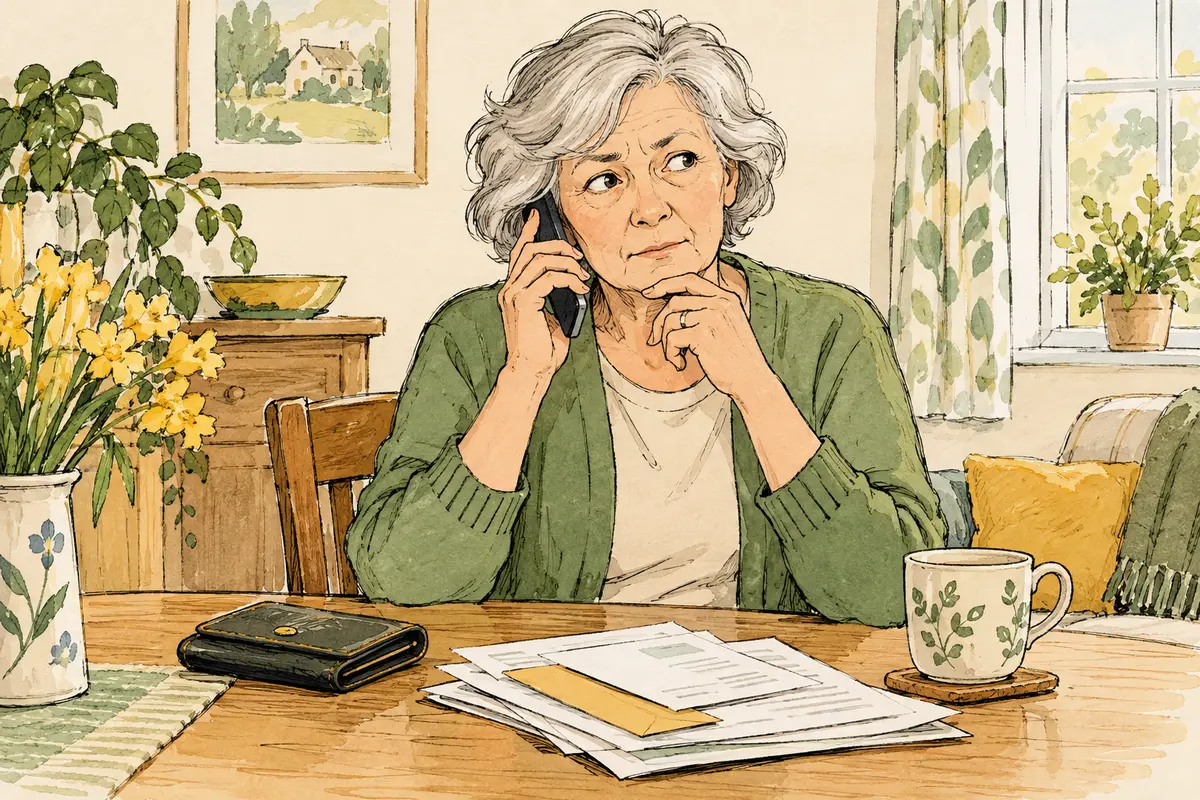
End unsolicited contact that demands money or banking details to release a refund. Pressure and a promise of certain recovery are warning signs. A polished website or knowledge of your earlier loss does not prove the caller can help. If someone says police shared your fraud report with their private recovery business, do not accept that as proof. The FCA says fraud reports cannot be shared with a private recovery room. Check through an independently found official route.
Check the claimed service
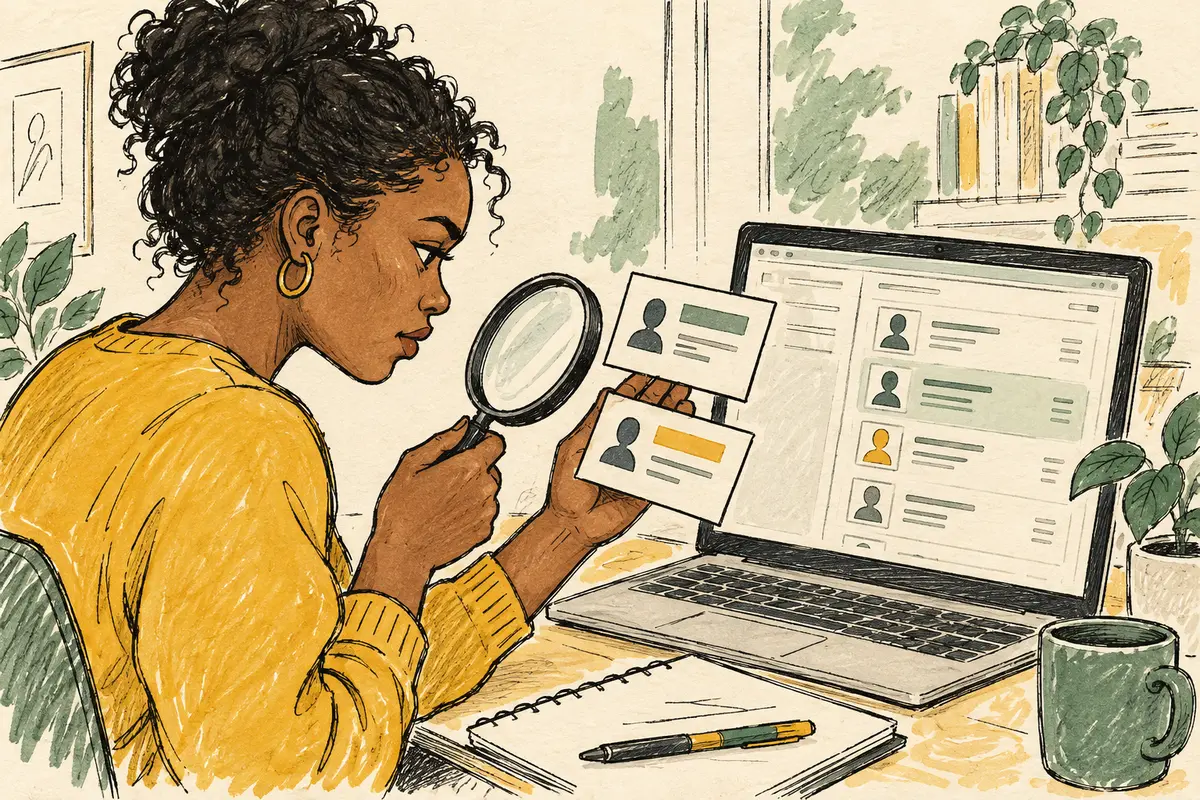
Check any claimed financial-service authorisation and the relevant permission using FCA Firm Checker. Reach the business through its listed contacts: a copied name or reference number is not enough. Some claims providers have a legal regulator instead. Check the relevant register linked from the FCA's claims-management guidance. Before agreeing to paid help, compare it with the free complaint route below and read the fees and cancellation terms. FCA Firm Checker does not guarantee that compensation or Ombudsman protection applies. MoneyHelper offers free guidance about making a financial claim yourself.
Report and protect your money
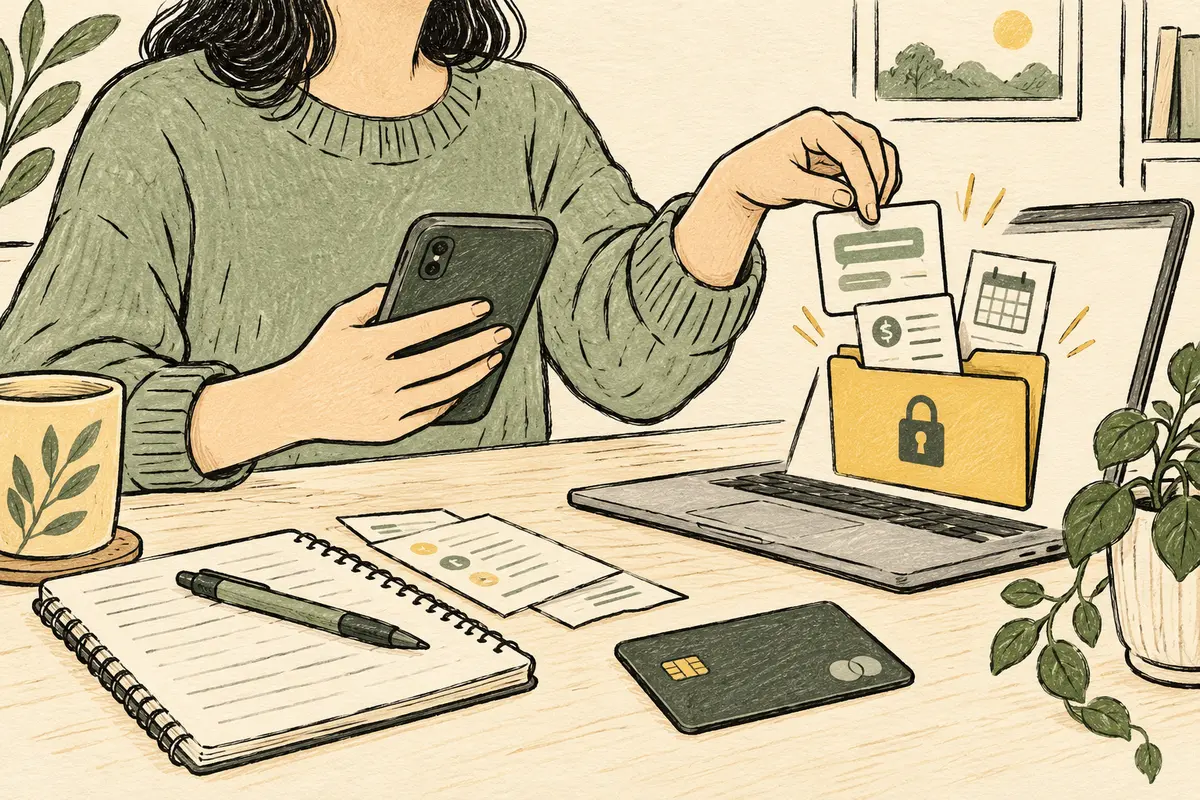
If you already paid or disclosed personal information, tell your bank immediately using contact details on your card or statement. Keep messages, payment records and any agreement: these can support a reimbursement request or complaint. Report the recovery approach to the FCA. For a fraud report, use Report Fraud in England, Wales or Northern Ireland, or Police Scotland on 101 in Scotland. These reports do not replace asking your bank to investigate the payment. If you are unhappy with how the bank handles it, make a formal complaint.
Your quick checklist.
Tick what you’ve done. This stays on this page.
0 of 3 markedDownload a short text copy to read without internet. It cannot call or alert anyone.
A few things explained.
Do I have to pay someone to complain about my bank's handling of a scam?
No. Complain directly to the bank or payment provider first, explaining what happened and how you want it put right. Keep its final response. If you remain unhappy, or it misses the applicable response deadline, the Financial Ombudsman Service may be able to investigate for free. You normally need to refer the complaint within six months of the final response. You can ask a friend or family member to help; you do not need a paid representative. The Ombudsman reviews the financial firm's actions, rather than investigating the crime itself.
What if I have already signed with a genuine claims management company?
Check who regulates it and read your agreement. The FCA says companies it authorises must provide key contract information and a breakdown of charges, and offer a 14-day cooling-off period in which you can cancel without a charge. After that, a cancellation fee may apply; it must reflect the work done and be reasonable. Check an itemised bill against what you were told. Rules for firms overseen by legal regulators can differ: check that regulator's guidance rather than assuming the FCA rules apply.
Can I complain about a claims company's fees or service?
Yes. For an FCA-authorised claims management company, the Claims Management Ombudsman can usually consider poor service, including fees that were not properly explained. It covers firms providing services from, or to customers in, England, Scotland and Wales; ask it to check your case if unsure. It cannot change the outcome of your original claim. Complain to the company first, saying what went wrong and what you want put right. If its final response leaves you unhappy, or eight weeks pass without one, use the linked free Ombudsman complaint route. Usually you must refer the complaint within six months of the date the company sent its final response. Other time limits and exceptions apply; ask promptly rather than assuming you are too late. Help is available on 0800 023 4567. This is separate from a complaint about your bank or a fraud report. Neither authorisation nor a complaint guarantees compensation. For a legally regulated firm, check its own complaints route.