I have a learning disability and do not understand a contract. What can I do?
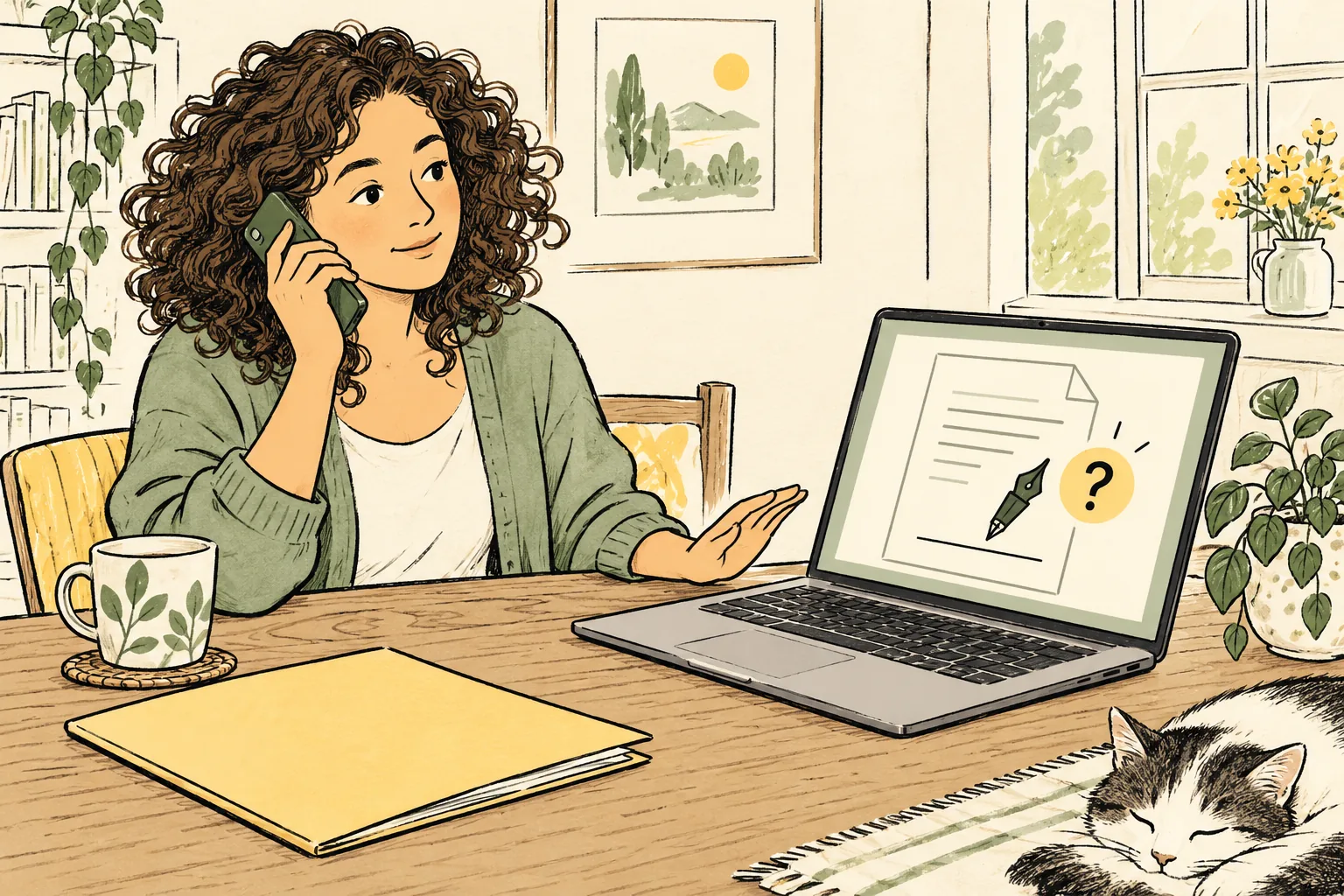
Someone asks you to sign a consumer contract, but you cannot tell what it will cost or what you are agreeing to. If you have a learning disability, you may need the terms explained differently. That does not mean you cannot decide for yourself. In England, you should have a real chance to understand a consumer contract without pressure to sign at once. For example, a seller might slide over a long form. Ask for a copy, time and a clear explanation of the price, length and way to end it. If you have already signed, your rights depend on what happened and the agreement; seek advice promptly rather than assuming it is automatically cancelled.
ishowcrime desk
Sources checked 11 November 2026
Here’s what you can do.
Pause and ask for a copy
Say that you need time before agreeing. Ask for a copy of the full contract and for the important terms to be shown clearly: what you will receive, the total price, any ongoing payments, how long it lasts and how it can end. The Competition and Markets Authority says customers should have a real opportunity to read and understand a consumer contract, and traders should not pressure them to sign before they have enough time. Do not sign simply to end a difficult conversation.
Choose how the terms are explained
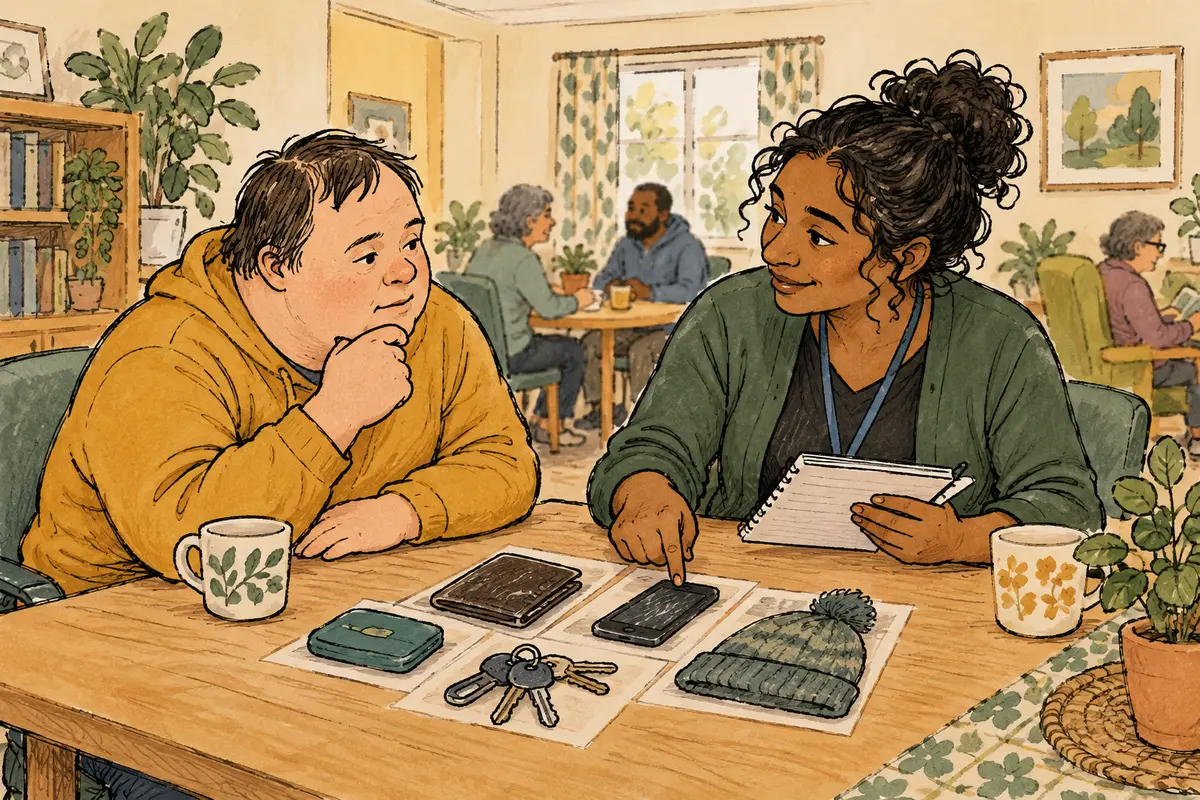
Ask for plain words, smaller parts of the agreement, pictures or another format that helps you. If you want, ask a trusted friend, relative or independent adviser to go through it with you. They should help you understand your choices, not make the choice for you. In England and Wales, the Mental Capacity Act starts from the assumption that an adult can make their own decisions and says support should be tried first; having a learning disability alone does not prove otherwise.
Get advice if you have signed or felt pressured
Keep the contract, messages, receipts and a note of what the seller said. If you were misled or unfairly pressured, contact the Citizens Advice consumer service in England and explain what happened; it can advise on your particular rights and the next step with the seller. Ask for communication support when you contact them. Signing does not by itself settle whether the terms are fair or what remedy is available, and a refund is not automatic in every case. If another person is taking your money or using threats, seek help through a safe route as well.
Your quick checklist.
Tick what you’ve done. This stays on this page.
0 of 3 markedDownload a short text copy to read without internet. It cannot call or alert anyone.
A few things explained.
Does a learning disability mean someone else must decide for me?
No. In England and Wales, the Mental Capacity Act says adults are assumed able to make their own decisions unless shown otherwise, and they should be given help to understand and communicate a particular choice. A learning disability or a decision someone else dislikes is not enough on its own to take that choice away.
What if the seller says I must sign today?
Ask for time and a copy of the contract. The Competition and Markets Authority says consumers should have a real opportunity to read and understand the terms and should not be pressured to sign without enough time. An urgent demand is a reason to pause; it does not by itself prove a crime.
I already signed. Can I cancel or get my money back?
That depends on the agreement and what happened. If a seller misled you or used unfair pressure, Citizens Advice England explains that you may have a refund right and can help you assess it. Keep the contract and a record of what was said, and contact its consumer service promptly. Do not rely on a blanket claim that every contract has the same cancellation period.