My medical device arrived without instructions. Is it safe to use?
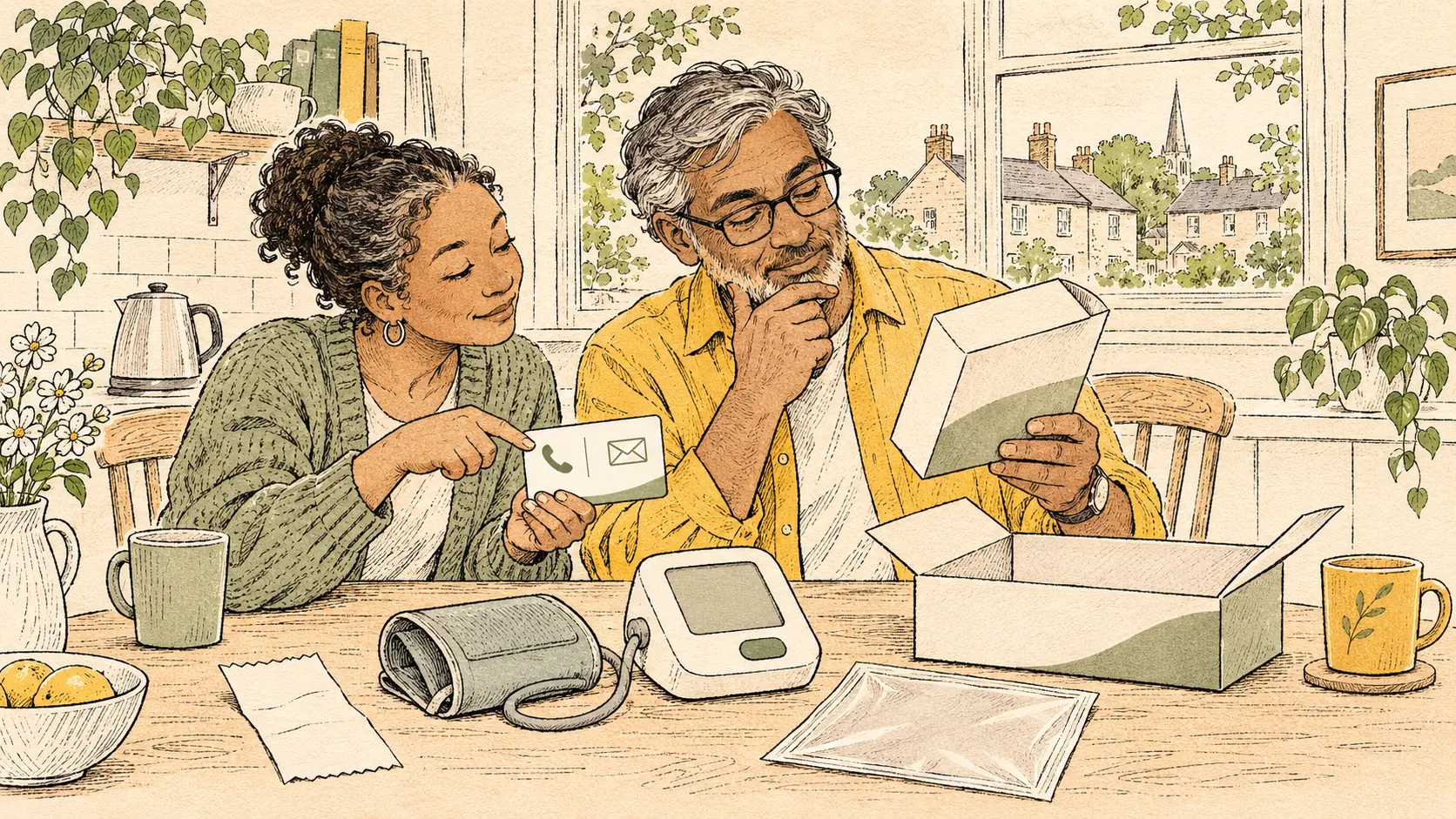
You order a home blood pressure monitor, but the box has no usable instructions. That does not prove it is counterfeit; a genuine device can arrive with missing information too. It does mean you may not know how to use or check it safely. The MHRA advises people to understand and follow the instructions before using a device, and to pause if they are worried about its quality. Check the product and manufacturer, speak to a healthcare professional if it is needed for your care, and report a suspected safety problem.
ishowcrime desk
Sources checked 10 November 2026
Here’s what you can do.
Pause and check the device
Do not use a device that you cannot use safely or whose quality worries you. Check for damage, the model and manufacturer details, the appropriate CE or UKCA marking, and instructions you can understand. A missing leaflet, unclear label or odd packaging is a reason to check, not proof of a fake. The mark alone does not establish that a seller is genuine. Keep the box, order record and any messages; they may help identify what was supplied.
Get the right instructions and care advice
Use the manufacturer’s contact details found independently, or ask the seller to supply the correct manual for your exact model. If you rely on the device to monitor or treat a condition, speak to your doctor, nurse or pharmacist about what to do while you cannot trust it; do not use an uncertain reading to change your care on your own. The MHRA says to contact a healthcare professional if you are worried about quality or a result. If you already used the device and feel unwell or think it affected your treatment, seek medical advice promptly.
Report the concern through the correct route
In England, use the MHRA Yellow Card scheme to report suspected faults, unclear instructions, harm or a device you think may be counterfeit. Report as soon as you can and keep the device in case it needs checking. If an online seller appears to be offering medical devices illegally, use the separate MHRA suspicious-seller service and provide the website or account details, order record and packaging photographs you have. A report helps the regulator assess a concern; it does not itself provide medical advice or establish that a product is fake.
Your quick checklist.
Tick what you’ve done. This stays on this page.
0 of 3 markedDownload a short text copy to read without internet. It cannot call or alert anyone.
A few things explained.
Does a missing instruction leaflet mean the medical device is counterfeit?
No. Missing or unclear instructions are a safety concern and a reason to pause and check, but they do not by themselves establish that the device is fake. The MHRA lists unclear instructions, damage and absent manufacturer details among problems it wants reported. Ask the manufacturer through independently found contact details and seek care advice if you rely on the device.
What if I have already used the device?
If a result seems wrong, the device may have affected your treatment, or you feel unwell, contact your doctor, nurse or pharmacist promptly. Tell them what you used and keep the device and packaging. Report the suspected problem through Yellow Card; it gathers safety reports but cannot give personal medical advice.
Where do I report a suspected fake device or online seller?
For a device safety concern or suspected counterfeit, use MHRA Yellow Card in England. The MHRA also has a separate service for reporting an online seller you think is offering medicines or medical devices illegally. Save the seller’s page, receipt and packaging details where available. Reporting a suspicion does not prove wrongdoing.