A child car seat looks suspicious. How can I check it?
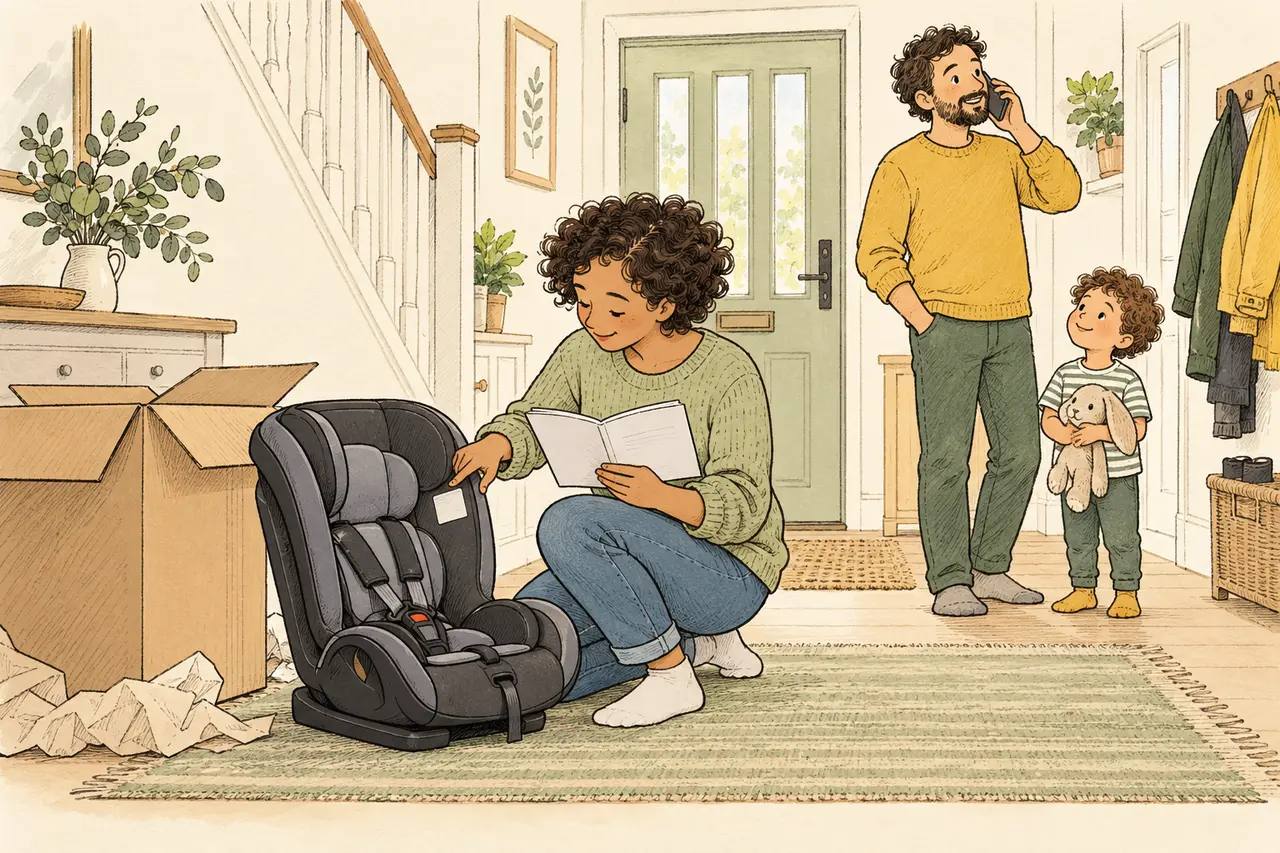
A discounted child car seat arrives, but the instructions are missing and you cannot find its approval label. That is a reason to pause, not proof that you bought a counterfeit. A seat can also be genuine but unsuitable for your child or car. In September 2025, Which? found unapproved fabric seats advertised online as car seats, including listings whose small print warned against using them in cars. Check the product before a journey; a familiar marketplace or good reviews cannot establish that it will protect a child.
ishowcrime desk
Sources checked 20 October 2026
Here’s what you can do.
Check the product and seller
Check the exact model, manufacturer and seller, not just the marketplace name. Missing instructions, warnings or manufacturer contact details need checking. Read the full description: do not use a product as a car restraint if its small print says it is not for use in cars. GOV.UK says approved height-based seats have an E in a circle and R129 on the label; approved weight-based seats show an E in a circle and ECE R44. If the label or model is unclear, ask the manufacturer through its independently found website before using it. A low price alone does not prove a fake.
Check the fit before travelling
Even an approved seat needs to suit your child's current height or weight and fit the vehicle. Ask a retailer with trained fitting staff to try the seat in your car and explain how to secure the child. Check any other car in which it will regularly be used, and follow the seat and vehicle instructions. NHS guidance also points families to their council's road safety officer for advice. If you already used the seat before noticing a concern, stop using that seat while it is checked and arrange a suitable alternative before the next car journey.
Report a concern and ask about a remedy
Contact the seller or marketplace if the delivered seat seems wrong, and keep the order details and correspondence for your complaint. Check the manufacturer's notices and GOV.UK's Product Safety Alerts, Reports and Recalls for the exact product, then follow any applicable instructions. Report a suspected unsafe product through Citizens Advice consumer support in England or Wales, Advice Direct Scotland in Scotland, or your district council in Northern Ireland. The reporting source below links to these services. Ask about your refund or replacement options as well: reporting a safety concern is not itself a refund claim.
Your quick checklist.
Tick what you’ve done. This stays on this page.
0 of 3 markedDownload a short text copy to read without internet. It cannot call or alert anyone.
A few things explained.
Does a CE mark or a good review prove a child car seat is approved?
No. The car-seat approval information described by GOV.UK is an E-in-a-circle label with R129 or ECE R44, not a CE mark alone. Reviews do not replace that check, fitting advice or the manufacturer's instructions. If the product's identity or approval remains unclear, do not rely on it. Northern Ireland's official guidance also requires an approved restraint suitable for the child's height or weight.
Is a second-hand seat a safer way to save money?
Not simply because it is a familiar brand. OPSS advises against buying second-hand baby car seats: a past collision can cause damage you cannot see. NHS guidance says only to accept a seat from family or friends if you know its history, it is not too old and it comes with instructions. It must still suit your child and car. Ask a trained retailer about suitable options within your budget.
What if I have already paid and the seller refuses to help?
Ask the consumer advice service for your UK nation about your purchase and payment method. Citizens Advice's England guidance explains refund rights for counterfeit goods and possible card or payment-service dispute routes. Describe what is actually wrong; do not call an item counterfeit simply because it is cheap. Keep pursuing the payment complaint separately from the safety report. Trading Standards can investigate sellers, but does not recover your money for you.