How to stay safer in parks and when walking outside
A familiar park path can feel different when people ahead are behaving aggressively or the way out is unclear. Plan a usable route, but change it if you feel unsafe: reaching help matters more than finishing the walk as planned. This guide covers park access, moving away from a threatening situation and reporting concerns afterwards. In London, StreetSafe accepts concerns about public places without your name; it is not a crime-reporting or emergency service. Precautions do not make you responsible for someone else's behaviour.
ishowcrime desk
Sources checked 30 October 2026
Here’s what you can do.
Check the route and the gates
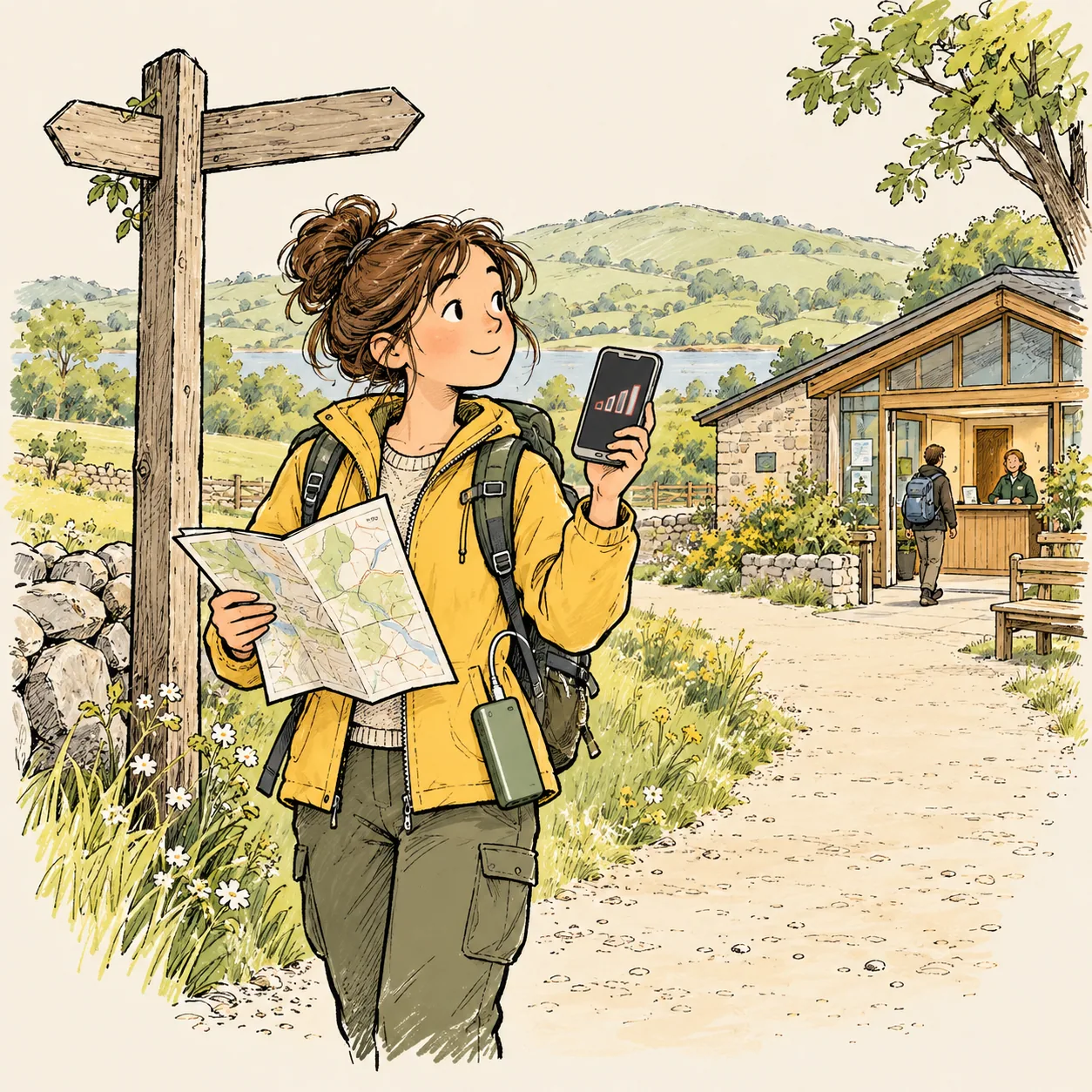
Look at the park operator's current opening times, map and closure notices. Check the gate you will use to leave as well as the entrance. At London's Bushy Park, pedestrian and vehicle access have different arrangements, including seasonal restrictions. Do not assume that an open walking gate means the car gates are open.
Share your plan, but change route if needed
Let a trusted person know where you are going. Prefer familiar, well-lit routes and avoid an isolated shortcut that makes you uncomfortable. For children, agree the route with a safe adult. Keep your phone available for help. If people ahead are behaving aggressively, you do not have to continue towards them to keep to your plan. Police advise looking for a way to leave and putting distance between yourself and a threatening person. Move towards people or a busy, staffed place if you can do so safely. This gives you somewhere to ask for help without getting involved in a confrontation.
Get help if you feel unsafe
Head towards people or a busy, staffed place if you can do so safely. If someone threatens you or there is immediate danger, call 999. Give the park name and a nearby entrance or landmark; you can call without every detail ready. Once safe, use the appropriate reporting route. London's StreetSafe service is for concerns about public places; report crimes separately through police. Do not risk injury to protect belongings.
Your quick checklist.
Tick what you’ve done. This stays on this page.
0 of 3 markedDownload a short text copy to read without internet. It cannot call or alert anyone.
A few things explained.
Where can I check Bushy Park access?
Use The Royal Parks' Bushy Park page for current opening times and public notices, and its FAQ for the park map and access arrangements. Check the date of your visit rather than relying on an old screenshot.
What if a threatening group is blocking my route?
If you can safely move away, choose another route towards help rather than approaching the group to argue. Police advice is to look for a way to leave and put distance between yourself and the threat. Call 999 if you are threatened or in immediate danger; if you cannot call during the incident, call as soon as you can. Changing route may mean crossing a road. Use a nearby crossing where possible, stop back from the kerb, look and listen in every direction, and wait until it is safe. Walk across while continuing to check traffic; do not rush into the road. On a park path, avoid replacing a threatening situation with an isolated shortcut. Tell staff or a safe adult what happened once you can.
Can I report an unsafe park without giving my name?
The Met's StreetSafe service lets you describe concerns about public places without giving your name. Its examples include poor lighting and broken park equipment. Use the official link below once you are safe. It is not for reporting crimes or emergencies: use the police crime-reporting route for an offence and call 999 for immediate danger. A StreetSafe submission is not a request for urgent attendance.