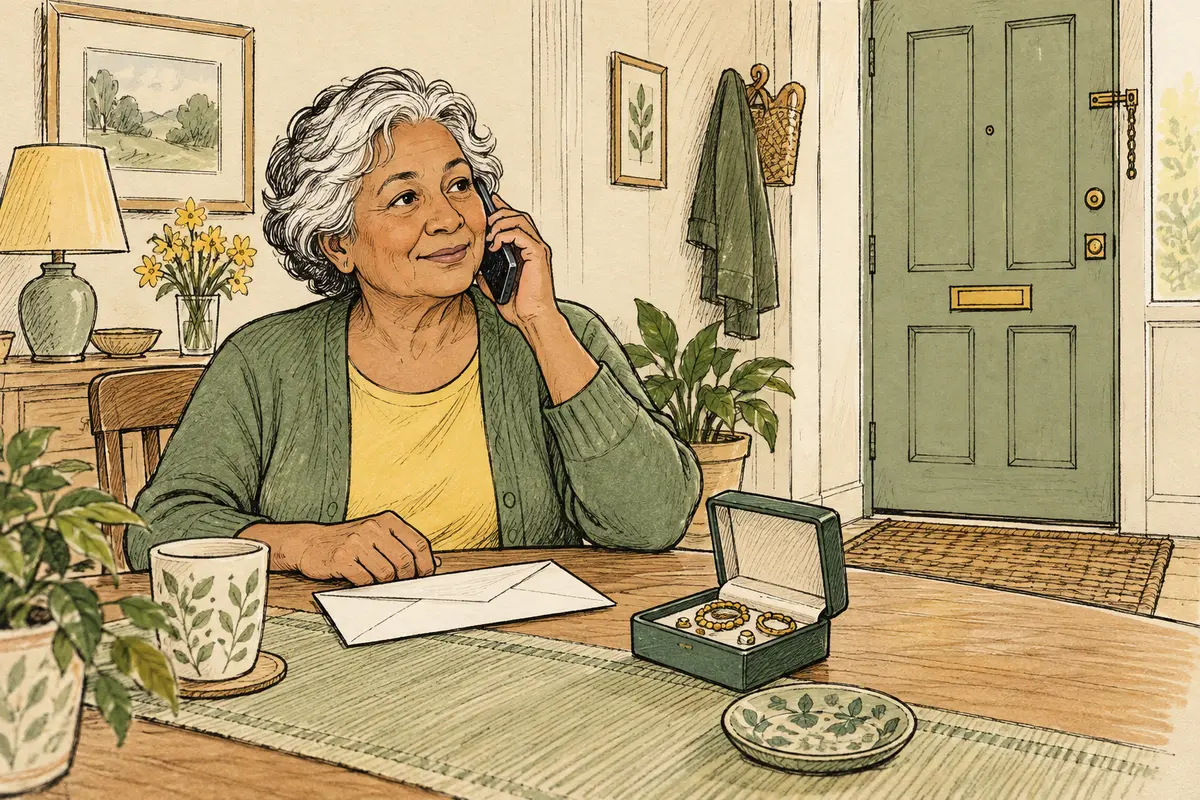
How can I store gold and jewellery more securely?
A family ring, necklace or gold coin can be hard to describe accurately after it goes missing. Secure storage helps reduce theft risk, while photographs, receipts and valuations serve different purposes if you need to identify or replace an item. An old purchase price may not be the right replacement value for insurance. Gold bullion coins also need an explicit cover check: a contents policy that covers jewellery may not cover bullion. Check the items and storage arrangements before relying on a locked box or a policy.
ishowcrime desk
Sources checked 30 October 2026
Here’s what you can do.
Check value, cover and storage rules
Ask your insurer about the single-item limit, whether valuable pieces must be listed separately, and the valuation it requires. Tell it specifically if you keep bullion coins or bars: The Royal Mint warns that contents insurance may not cover these, so separate cover may be needed. Check cover away from home too. Before structural building work or temporary off-site storage, discuss how cover will apply. These checks help avoid discovering after a loss that the item or location was not covered. For inherited jewellery, tell the valuer whether you need insurance, probate or a sale assessment. These answer different questions. Ask the insurer whether any existing report is suitable before relying on its figure for cover.
Plan secure storage and journeys
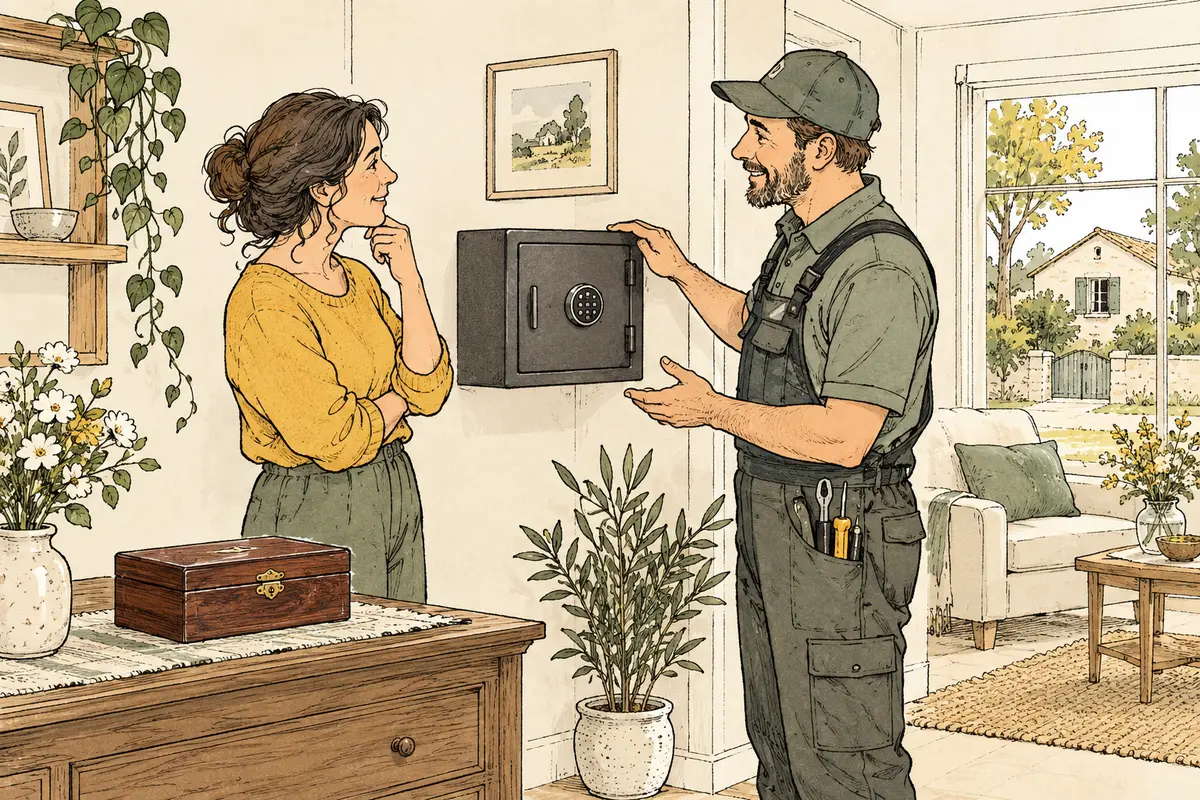
If using a home safe, check its fire and insurance ratings with your insurer and arrange for it to be bolted to a wall or floor. Police.uk recommends a discreet position outside the bedroom. For substantial family gold or jewellery, consider a safety deposit vault and check how this affects your policy. Before choosing professional bullion storage, ask whether your specific coins or bars remain yours, when you can access or withdraw them, and how they are protected from theft and damage. A provider's security arrangements and its access rules are separate checks. No safe or vault guarantees protection. For a family celebration, take only the jewellery you intend to wear. Met police advice is to keep it covered when walking to and from the venue and travel with others where possible. This reduces what is on display during the journey.
Protect items and keep useful records
Photograph jewellery beside a ruler and keep descriptions, receipts and valuation documents securely. Police.uk recommends free property registration on Immobilise to help identify recovered items. Keep a copy of a valuation separately from the original, so one loss or damaged storage area does not remove both. Seek specialist advice before marking valuable antiques or jewellery. Protect gold coins from damage as well as theft. The Royal Mint advises airtight capsules, separate storage from silver and other metals, and protection from damp, changing temperatures and corrosive substances. A coin capsule protects its condition; it does not replace secure storage.
Your quick checklist.
Tick what you’ve done. This stays on this page.
0 of 3 markedDownload a short text copy to read without internet. It cannot call or alert anyone.
A few things explained.
Can I use an inherited piece's valuation for insurance, and when should I renew it?
Ask your insurer what it requires before paying for a valuation, including the information the report must contain and how often it must be renewed. Aviva advises keeping replacement valuations up to date; Age UK Trading notes that some policies require periodic valuations. There is no single renewal interval to assume for every policy. Check that cover reflects the accepted value, not just the original receipt. Do not assume a report prepared for probate or a proposed sale is an insurance replacement valuation. The National Association of Jewellers explains that the purpose and relevant market affect the assessment. Check that the report states its purpose and includes individual descriptions, photographs, composition and quality assessments, plus any limiting conditions. These details help identify the actual piece after a loss. Its Find a Valuer directory offers a route to an Institute of Registered Valuers professional; check the insurer's requirements before commissioning work.
Does home contents insurance cover jewellery outside the home?
Not necessarily. Aviva explains that rings lost or stolen away from home may need additional personal-possessions cover. Check your own policy's locations, limits and exclusions, including temporary storage during renovations. Tell the insurer before structural work starts rather than assuming cover continues unchanged. Before taking jewellery to a wedding or family celebration, check that the pieces are covered for the journey and time away. Keep ownership photographs private: the Met advises against posting valuables on social media. A useful insurance record does not need to become a public picture of what you own.
What should I do if jewellery has been stolen?
If a burglary may still be happening, stay outside and call 999; also use 999 for immediate danger. Do not enter unless you are sure the burglar has left. For a non-emergency, report through police online services or 101. Avoid disturbing areas an intruder may have touched and follow police advice before cleaning up or arranging repairs. Contact your insurer and provide the ownership records you have.