I suspect a crash-for-cash collision in London. What should I do?
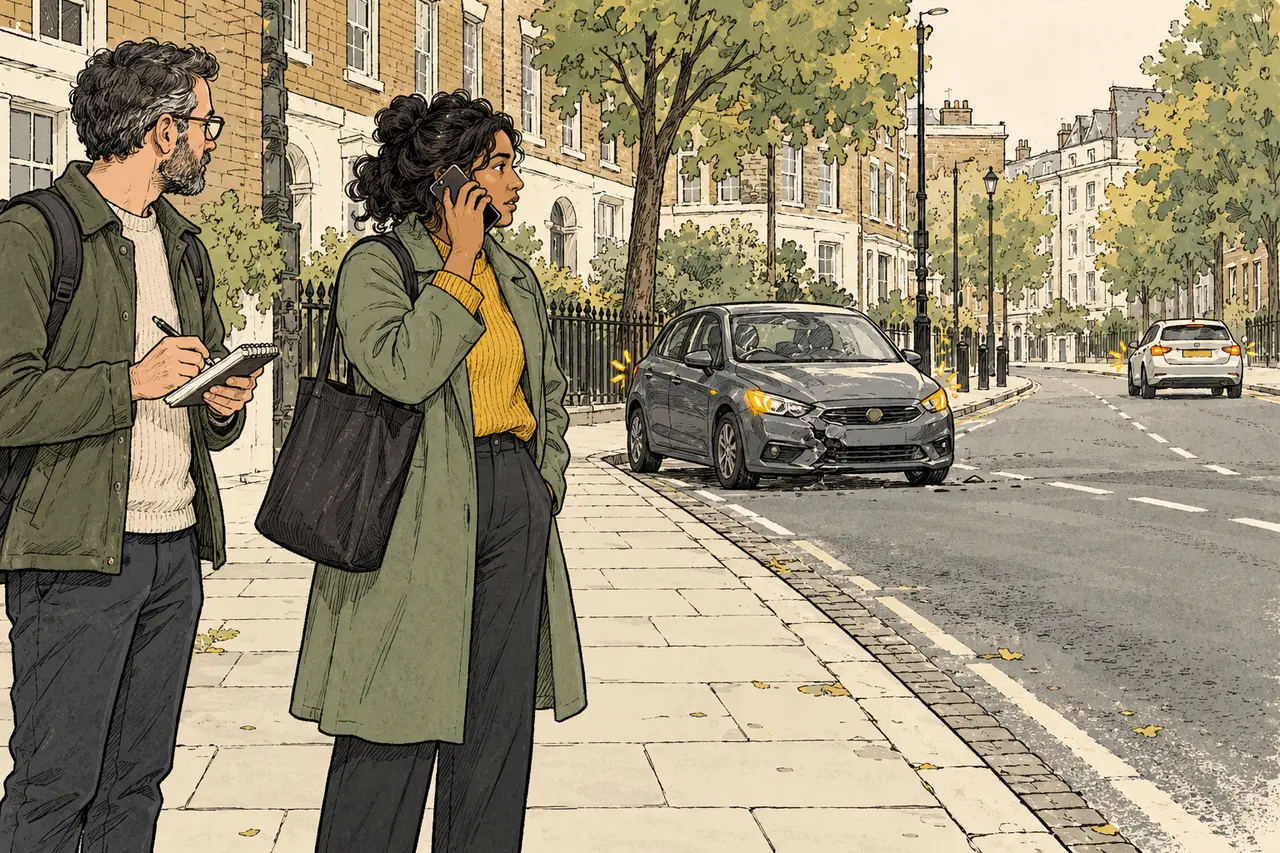
After a collision, someone pressures you to pay immediately or let them photograph your driving licence. Crash-for-cash fraud involves deliberately causing or inventing a collision to obtain money, sometimes through an exaggerated insurance claim. Pressure for cash or identity documents is a warning sign, but it does not prove that a particular person is committing fraud. You do not have to settle that question at the roadside. Deal with safety, record what happened and tell police and your insurer about your concerns.
ishowcrime desk
Sources checked 24 October 2026
Here’s what you can do.
Stop safely and get help
Stop as soon as it is safe, switch off the engine, put on hazard lights and check for injuries. Call 999 for immediate danger, serious injury or a dangerous obstruction, or if you believe a serious offence has been committed. For trouble obtaining the other person's details, call 101 while still at the scene. Suspecting a scam does not remove your responsibilities after a collision. Avoid challenging the other person or agreeing an informal cash settlement. Leave the assessment of fault and suspected fraud to the appropriate investigators.
Exchange details without exposing extra documents
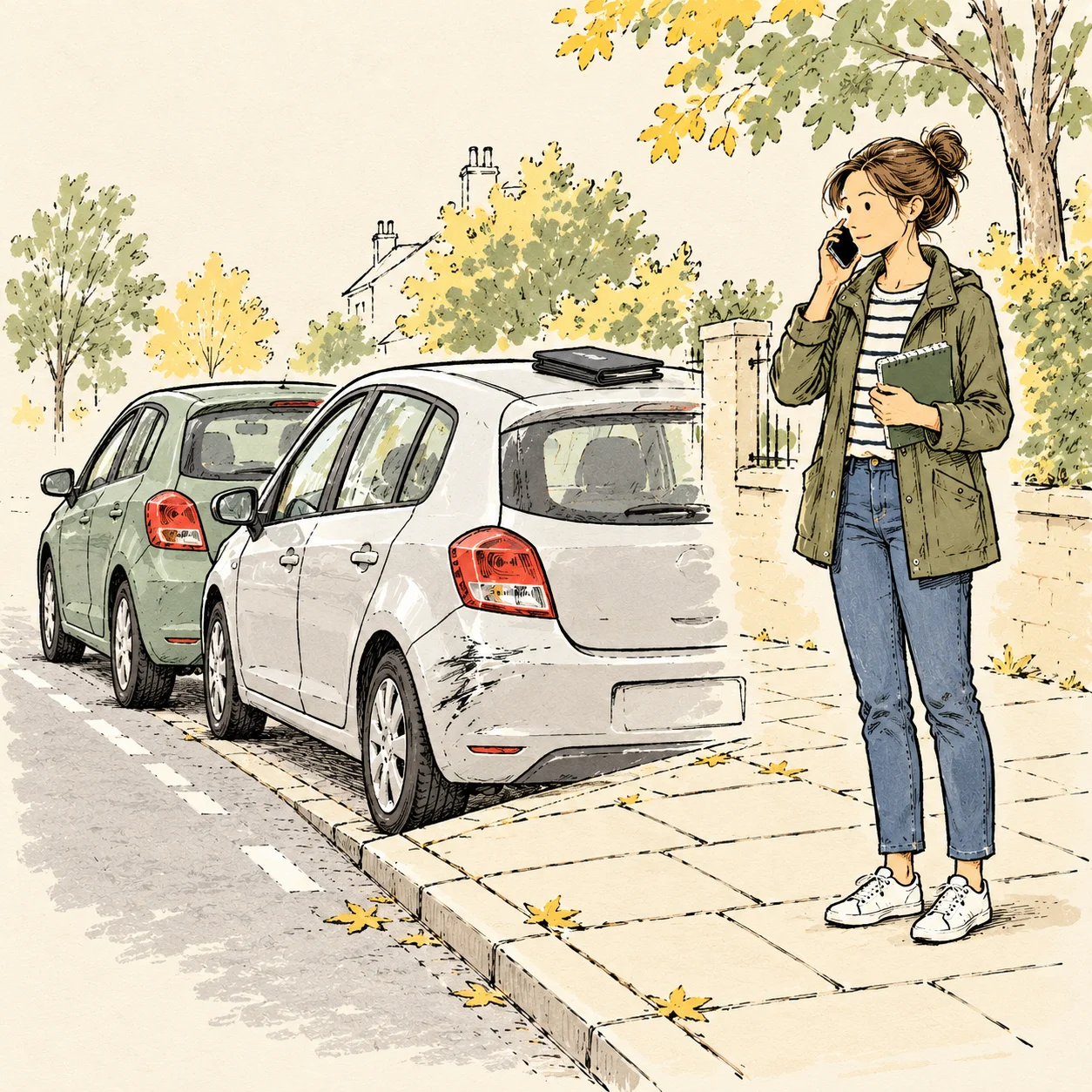
For a collision causing damage or injury, give your name, address and vehicle registration to someone with reasonable grounds to need them. Give the owner's name and address too if the vehicle is not yours, and provide insurance details when requested. City of London Police warn that photographs of driving licences and insurance certificates have been misused to obtain policies. Sharing required details does not mean agreeing to photographs of whole documents. If safe, note the time, location, vehicles and people involved, photograph damage and ask witnesses for contact details. Tell your insurer about any available dashcam or nearby CCTV footage: it may help establish what happened.
Tell police and your insurer
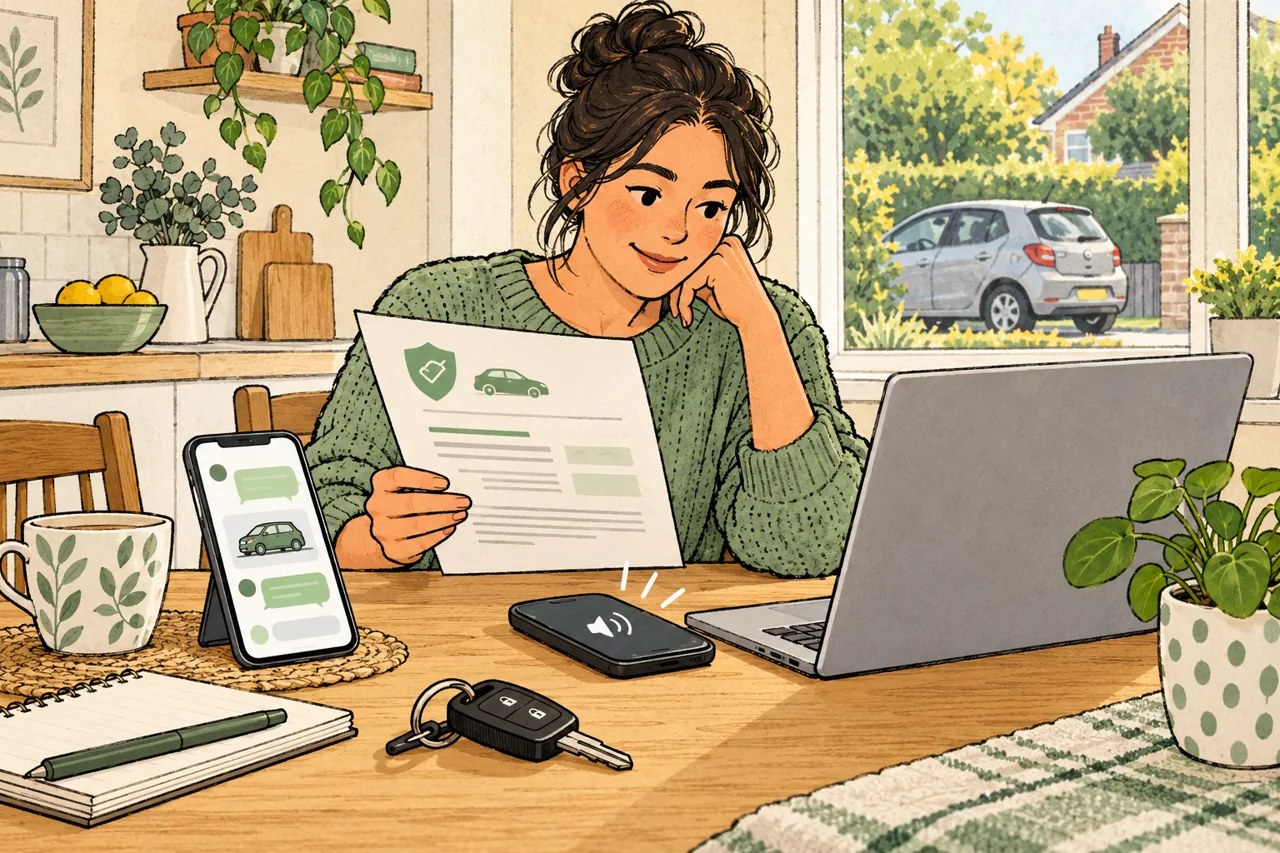
Report your suspicions to police and tell your insurer promptly, even if you do not intend to claim. In London, the Met's collision page below explains online reporting. Use 101 for non-emergency police help. Keep the report reference for your insurer. If you already paid or shared documents, include that in your account. You can also report suspected insurance fraud through the Insurance Fraud Bureau's anonymous CheatLine, online or on 0800 422 0421. That is an additional fraud-reporting route; it does not replace contacting your insurer or meeting collision-reporting duties. Explain what you actually observed and what you suspect, so investigators can assess the evidence.
Your quick checklist.
Tick what you’ve done. This stays on this page.
0 of 3 markedDownload a short text copy to read without internet. It cannot call or alert anyone.
A few things explained.
What if I have already left without exchanging details?
Contact police promptly. GOV.UK says you must report within 24 hours if you did not give your details at the time; do not treat that as a reason to delay. The Met also requires a report where anyone was injured or you suspect a driving offence. Explain why details were not exchanged and tell your insurer. Reporting a concern to the fraud helpline alone does not meet these separate responsibilities.
What if an insurance claim describes passengers or damage I did not see?
Tell your insurer exactly what differs from your account. For example, an alleged passenger you did not see is information to check, not proof on its own. Give the insurer your notes, photographs and any available footage. Ask the Police identifies claims for absent passengers or inconsistent damage as possible warning signs. Do not contact the other driver to accuse them or try to obtain a confession.
Can I report suspected insurance fraud anonymously?
Yes. The Insurance Fraud Bureau's CheatLine offers anonymous reporting online and an anonymous, confidential phone service run by Crimestoppers on 0800 422 0421. Use the official link below. This route is for information about suspected insurance fraud, not emergency assistance. You must still deal separately with any required collision report and notify your insurer.