My teenager is being pressured to carry drugs. What can I do?
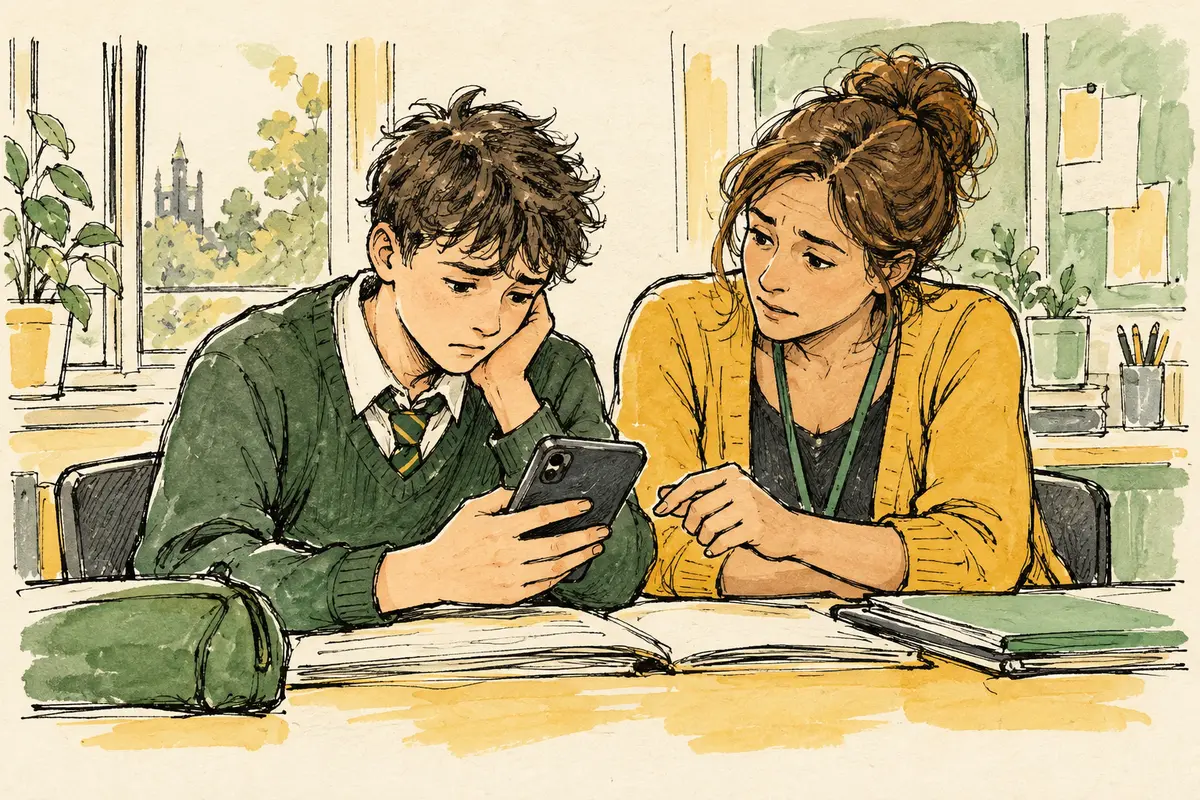
Your teenager keeps making unexplained journeys, has new possessions and seems frightened of letting someone down. These changes do not prove drug exploitation, but they are concerns worth sharing. Criminal groups may offer friendship, money or protection before using threats to make a child carry or store drugs. This is abuse. A young person may need help even if they describe the group as friends or believe they joined willingly.
ishowcrime desk
Sources checked 31 October 2026

Here’s what you can do.
Listen without blame and get support
Ask calmly what is happening and what your child needs. Listen even if their account is incomplete or they defend the people involved. Fear of harm to themselves or family can make speaking difficult. Explain that you want to help keep them safe, and ask which trusted adults at school or elsewhere they feel able to talk to. You can seek support for yourself too. For suspected criminal exploitation by someone outside the family, use Ivison Trust's linked Parent Support Enquiry form. It currently accepts enquiries from parents and carers, not professional referrals. Its team can discuss risks, help you prepare information for police and social care, and point you towards local support. This is a request for contact, not an emergency response: do not wait for a reply before reporting danger.
Note the concerns you already know
Write down unexplained journeys, absences and what your child tells you about threats. Keep details of unfamiliar vehicles collecting them or unexplained rail and bus tickets. These observations can help you explain your concern; they are not proof on their own. Do not confront the people involved or put yourself or your child at risk to investigate.
Ask for safeguarding help
In England, contact police on 101 for a non-emergency and your local children's services or child protection team. Use the council's official website to find the team. Explain the pressure, threats and any involvement already underway. Tell the school's safeguarding lead too, so support can be coordinated. You do not need proof before reporting a concern. If you are unsure, the NSPCC can discuss it; check its linked page for current contact options and hours. Ask how the agencies will coordinate a safety plan with you and your child, and when it will be reviewed. Ivison Trust recommends reviewing risk after significant events such as an arrest, seizure of drugs or money, school exclusion or a disclosure. Tell the team about new threats rather than assuming an intervention has ended the danger.
Your quick checklist.
Tick what you’ve done. This stays on this page.
0 of 3 markedDownload a short text copy to read without internet. It cannot call or alert anyone.
A few things explained.
What if my child says they owe the group money?
A claimed debt can trap a child into further criminal activity. Tell police and children's services about the demand and threats to your family, even if your child has already carried drugs. It is understandable to think paying will protect them. Ivison Trust warns that a criminal group may keep demanding money after payment, or increase the risk once it knows a family will pay. Payment may not end the control or abuse. Before trying to settle a demand, seek a safety plan with safeguarding professionals and specialist support. Do not confront the group. If you have already paid, tell the professionals what happened; you still deserve help and ongoing protection. Call 999 for immediate danger.
Does county lines always mean travel to another county?
No. The NCA says movement often crosses police or council boundaries, but not always. Do not dismiss a concern because journeys are local. Describe what you know to police rather than waiting to establish whether it fits a particular label.
Can my teenager ask someone for help directly?
Yes. They can speak to a trusted teacher, youth worker or another safe adult, or call Childline free on 0800 1111. They can ask for support about their own involvement or a friend's. They do not have to explain everything to a parent first. Parents can also ask for their own support through Ivison Trust's form. It asks for contact details, the child's age and whether services such as police or social care are already involved. Having had no previous service involvement does not stop you making an enquiry: the form includes that option.