An unexpected parcel has a QR code. Should I scan it?
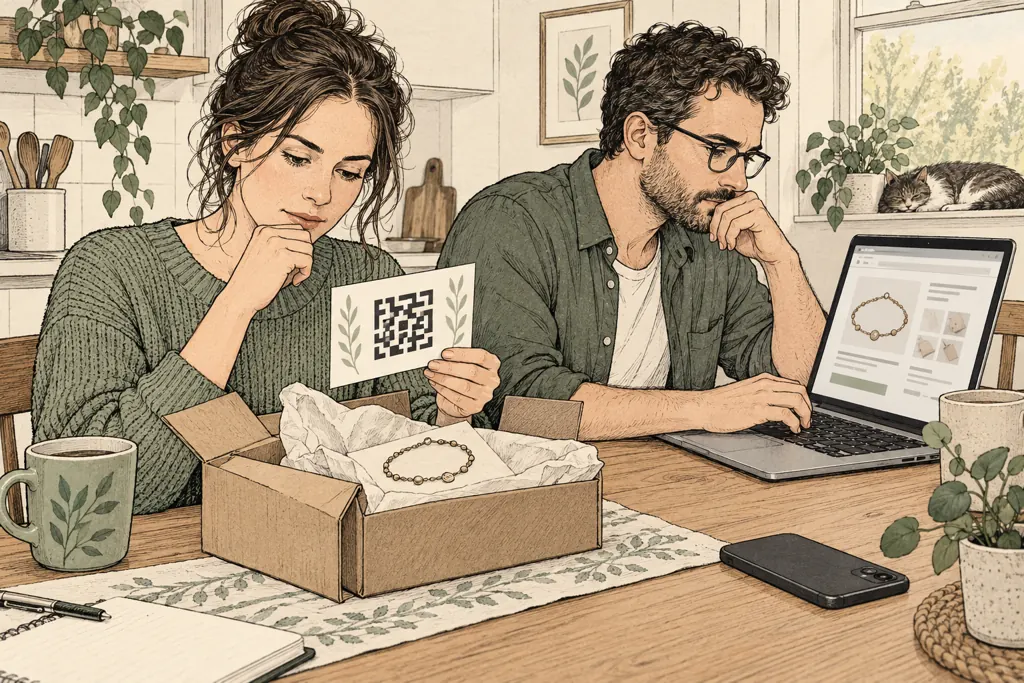
A small parcel arrives in your name, but you did not order it. A card asks you to scan a QR code to discover the sender. It could be a gift or delivery mistake, but unsolicited parcels can also be part of a brushing scam: a seller sends an item and misuses the recipient's details for a false positive review. The FBI has warned about a variation that uses a parcel's QR code to draw people towards requests for personal information or harmful software. Check the delivery another way before following the card.
ishowcrime desk
Sources checked 1 November 2026
Here’s what you can do.
Check whether someone sent a gift
Check the addressee and ask friends or family whether they sent a gift. For an Amazon parcel addressed to an unknown person, contact Customer Service. If it is addressed to you but no one you know ordered it, use Amazon's Report Unwanted Package form.
Leave the unknown code alone
Use the retailer's independently opened website or app to get help. Do not rely on the parcel's QR code or a contact route printed beside it. A QR code can hide the destination of a web link. Be especially cautious if the page wants card details, passwords, a payment or an app installation just to identify a sender. Knowing your name and address does not make the sender trustworthy.
Report the parcel and protect exposed details
For Amazon's investigation, keep the tracking number and number of unwanted parcels; a shipping-label photo is optional. Keep those details privately and send them through the retailer's genuine reporting route. Do not post an unedited label publicly to ask who sent it: that can expose the name and address printed on it. If you entered bank details or paid on a suspicious page, contact your bank promptly. Change a disclosed password on every account where you reused it. For money lost to fraud, use Report Fraud in England, Wales or Northern Ireland. If you live in Scotland or it happened there, contact Police Scotland on 101.
Your quick checklist.
Tick what you’ve done. This stays on this page.
0 of 3 markedDownload a short text copy to read without internet. It cannot call or alert anyone.
A few things explained.
Does a brushing parcel mean my shopping account was hacked?
Not by itself. Amazon says brushing can use publicly available names and addresses. If you also notice orders or account changes you do not recognise, check through the retailer's real service.
What if I already scanned the QR code?
Stop entering information on the page. Scanning alone does not establish what happened to your device or accounts. Tell a trusted helper what you opened, entered or installed. NCSC advises a full antivirus scan on a computer after a suspicious link or software installation; tell work IT if a work device is involved. If an account appears taken over, follow its official recovery process. The linked scam-message guide explains phone-malware recovery and its data-loss limits.
Must I return the parcel, and what should I do with its label?
Amazon's brushing guidance says the item need not be returned. For another retailer or a parcel addressed to someone else, check with the company rather than following the enclosed return instructions. Keep the tracking details needed for your report before disposing of packaging. If the retailer or police needs the original label for an investigation, keep it securely until they advise otherwise. Once it is no longer needed, remove the part showing personal details and cross-cut shred it or tear it into small pieces. Police.uk recommends this when disposing of personal or banking details. Destroying the label limits further exposure from discarded packaging; it does not undo details already shared with the sender or replace the account-protection steps above.