An eBay seller wants me to pay outside checkout. What should I do?
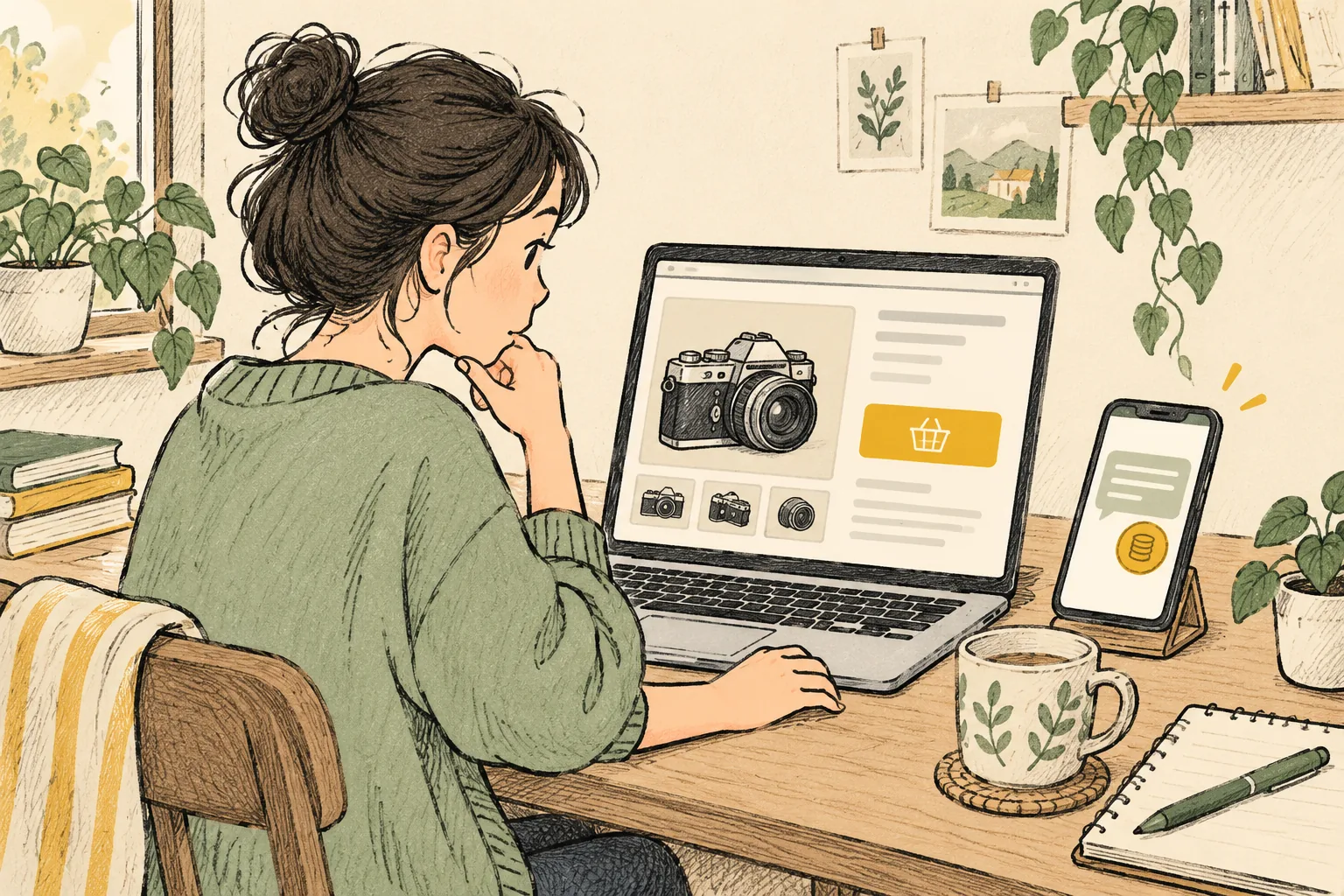
Imagine finding a second-hand camera on eBay, then receiving a request to send money separately instead of using checkout. The listing can make that request feel reassuring, but moving the deal away from eBay can remove its buyer protections. Pressure to pay quickly or follow a new payment link is a reason to pause. It is not proof by itself that a particular seller is a criminal.
ishowcrime desk
Sources checked 5 November 2026
Here’s what you can do.
Decline the separate payment request
Do not send a private payment on the promise that eBay will protect it. eBay prohibits offers to move a sale outside its platform and says those transactions are not covered by its protection programmes. Keep any price negotiation within its supported offer features. Report the outside-sale request using the reporting link in eBay's policy page below. A polished profile or fluent message does not override that rule. Take Five warns that criminals can use AI-generated pictures, voices and text to make an approach convincing. You do not need to prove whether AI was used before refusing a payment request.
Open eBay yourself and check the purchase
Use the genuine app or type the website address yourself, rather than following the seller's payment link. Use the checkout options offered for that listing and check your own purchase history. Read the Money Back Guarantee eligibility rules before paying: not every item or payment method qualifies. Even part-payment outside eBay can exclude the purchase from that guarantee. Look at the account's activity as well as the advert. eBay flags an account that previously only bought items but suddenly lists many expensive goods, alongside unusually low prices or plentiful stock of items sold out elsewhere. These are reasons to pause and report concerns through eBay's seller-fraud page, not proof of wrongdoing. Keep questions in eBay Messages; do not move to private contact because the profile looks convincing.
Act promptly if you have already paid
If you suspect fraud, contact your bank or payment provider immediately through a trusted route, such as the number on your card. Keep the listing, messages and payment record. Tell eBay about the seller's request; for an order completed on eBay, use its official purchase-help process and check the deadline for your issue. Report fraud through Report Fraud in England, Wales or Northern Ireland. If you live in Scotland or the crime happened there, contact Police Scotland on 101. Reporting to the platform does not replace protecting your bank account. For an eligible eBay order, check before opening a separate payment-provider dispute about the same purchase: eBay says doing so ends its Money Back Guarantee eligibility, whatever the dispute's outcome. This does not mean delaying urgent bank contact about fraud or exposed details.
Your quick checklist.
Tick what you’ve done. This stays on this page.
0 of 3 markedDownload a short text copy to read without internet. It cannot call or alert anyone.
A few things explained.
Is every bank payment for an eBay item a scam?
No. eBay lists Pay by Bank among its checkout methods, and some categories allow payment on collection. That is different from a seller asking you to arrange a private transfer outside checkout. Available methods vary, and a permitted payment method does not automatically mean the Money Back Guarantee applies. Check the listing and current policy rather than treating the words 'bank payment' alone as proof of fraud.
Should I use PayPal Friends and Family for a purchase?
No. PayPal says personal Friends and Family payments are not covered by its Buyer Protection. Its goods-and-services protection applies only to eligible payments and has conditions. Labelling a purchase as a personal payment does not make it protected. For an eBay purchase, use its checkout rather than arranging a separate PayPal payment. If you already sent a suspected scam payment through PayPal, open its Resolution Centre yourself, choose Report a problem, select the payment and choose “I want to report a scam.” Follow the prompts and check the case there. PayPal's reporting guidance explicitly includes purchases paid through Friends and Family where nothing arrives. Reporting starts a review; it does not turn the payment into a protected purchase or guarantee repayment. Explain truthfully what you agreed to and how you were misled.
What if I opened the seller's link or entered my details?
Stop entering information and open the genuine service separately. If you disclosed a password, change it on affected accounts and turn on two-step verification. Contact your bank immediately if you shared banking details or made a payment. Save useful evidence and use the linked scam-message guide for device-specific advice if you installed anything. You can ask for help without being blamed.