A buyer says they paid by PayPal. How do I check before posting?
Imagine selling a spare lamp and receiving an email saying the buyer has paid. A fake PayPal payment confirmation can persuade a seller to post goods without receiving money. Check your own account before sending the parcel. Also check the delivery arrangements: a buyer's postage label or request to change the address can put Seller Protection at risk, even when a payment appears in your account.
ishowcrime desk
Sources checked 30 October 2026
Here’s what you can do.
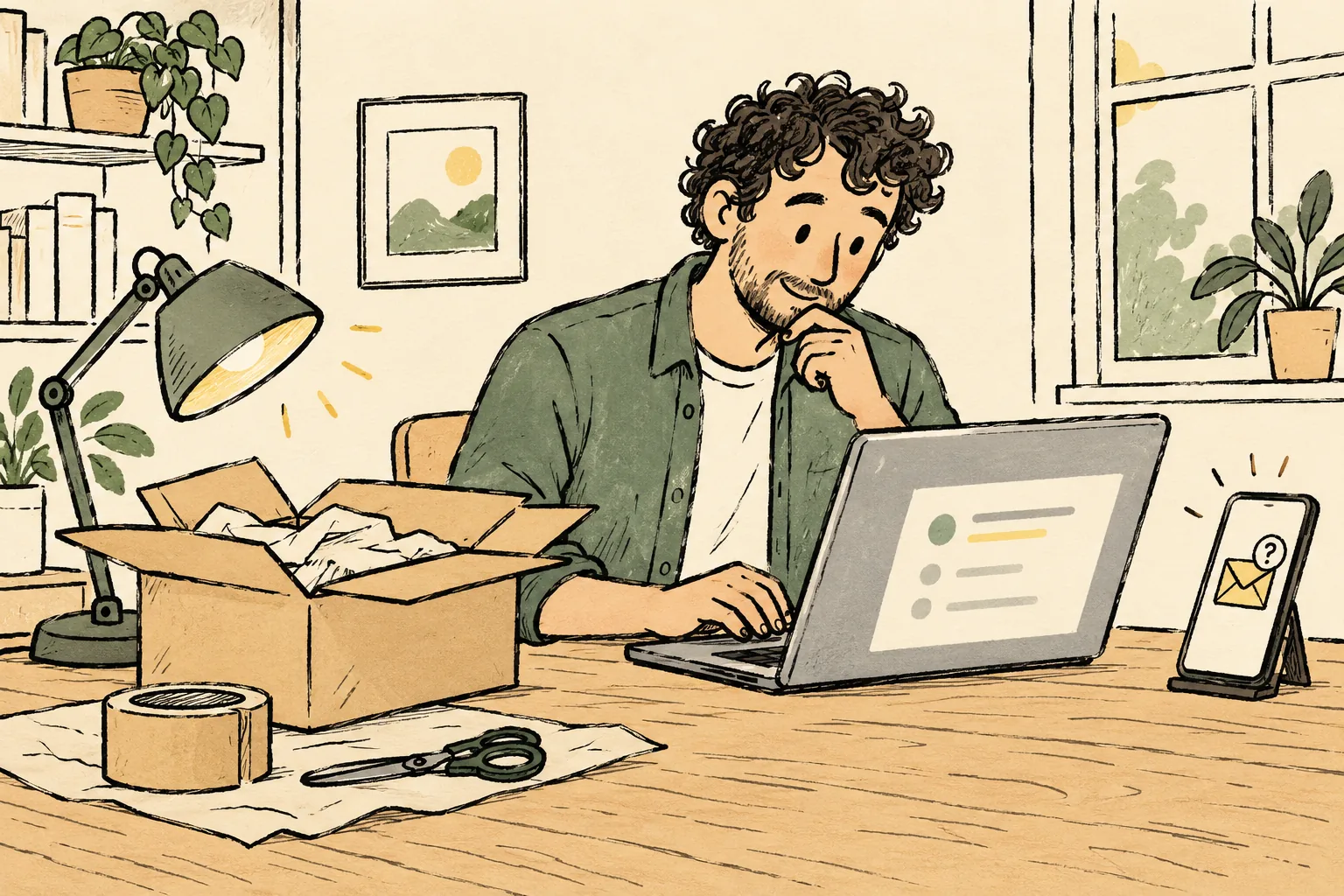
Check your own PayPal Activity
Open PayPal yourself, not through the buyer's link, and find the transaction in Activity. PayPal says a received payment will appear there. If it is absent, do not post goods on the strength of the email. Read any account instructions or contact PayPal through its official Help Centre if the status is unclear. If the transaction is an eCheque marked Pending, wait: PayPal says not to send goods or provide services until it clears. Open that transaction in Activity to see its status and expected clearing date. An expected date is not confirmation of clearance, and a buyer's screenshot cannot replace this check.
Check extra payments and delivery arrangements
A buyer may claim to have paid too much and ask you to send the difference or pay a courier. Do not make a separate payment to satisfy that request. PayPal warns that even a payment visible in your account may have come from a stolen card or account and could be reversed. Ask PayPal how to handle a suspicious overpayment through its official support route. For posted goods, use the shipping address shown in your own PayPal Transaction Details. PayPal recommends avoiding buyer-arranged delivery services: redirecting the parcel to another address makes it ineligible for Seller Protection. Pause a buyer-supplied label or address change and check with PayPal before dispatch. Keep proof of postage and delivery, and read the full eligibility rules; matching the address alone does not guarantee cover.
Report the message and protect what is at risk
Forward a suspicious PayPal email to phishing@paypal.com without opening its links or attachments, then delete it from your inbox. If you have already sent money or exposed banking details, contact your bank or payment provider immediately using trusted contact details. If goods have already gone, keep the listing, conversation and postage records and report what happened. Use Report Fraud in England, Wales or Northern Ireland; if you live in Scotland or the crime happened there, contact Police Scotland on 101.
Your quick checklist.
Tick what you’ve done. This stays on this page.
0 of 3 markedDownload a short text copy to read without internet. It cannot call or alert anyone.
A few things explained.
Is a pending eCheque the same as a payment hold?
No. An eCheque is funded from the sender's bank account and must clear before you send goods or provide services. PayPal says this usually takes 4–7 working days, sometimes longer. Check the transaction in Activity for its status and expected clearing date; do not post simply because that date has arrived. PayPal can also hold genuine received payments. For those holds, open Know your options under your PayPal balance and follow the instructions for that transaction. Eligible holds may have release options such as adding delivery tracking. Do not apply those instructions to an uncleared eCheque. Neither status alone proves fraud, and neither is the same as a fake email with no payment in Activity. Ask official PayPal support if you cannot tell which situation applies.
What if I opened the link or gave away my password?
Stop entering details and open PayPal separately. If your password may be exposed, change it promptly through the genuine service and protect other accounts where you reused it. Turn on two-step verification and never share its codes. Tell your bank immediately if financial details were disclosed. The linked scam-message guide explains further steps if you installed anything.
What if a PayPal invoice tells me to call a support number?
An unexpected invoice or money request can itself be part of a scam, even when sent through PayPal. Do not call a number in its note or pay for something you never ordered. Use PayPal's own Contact page or Help Centre. A demand to act immediately is a warning sign, not a reason to skip checking.