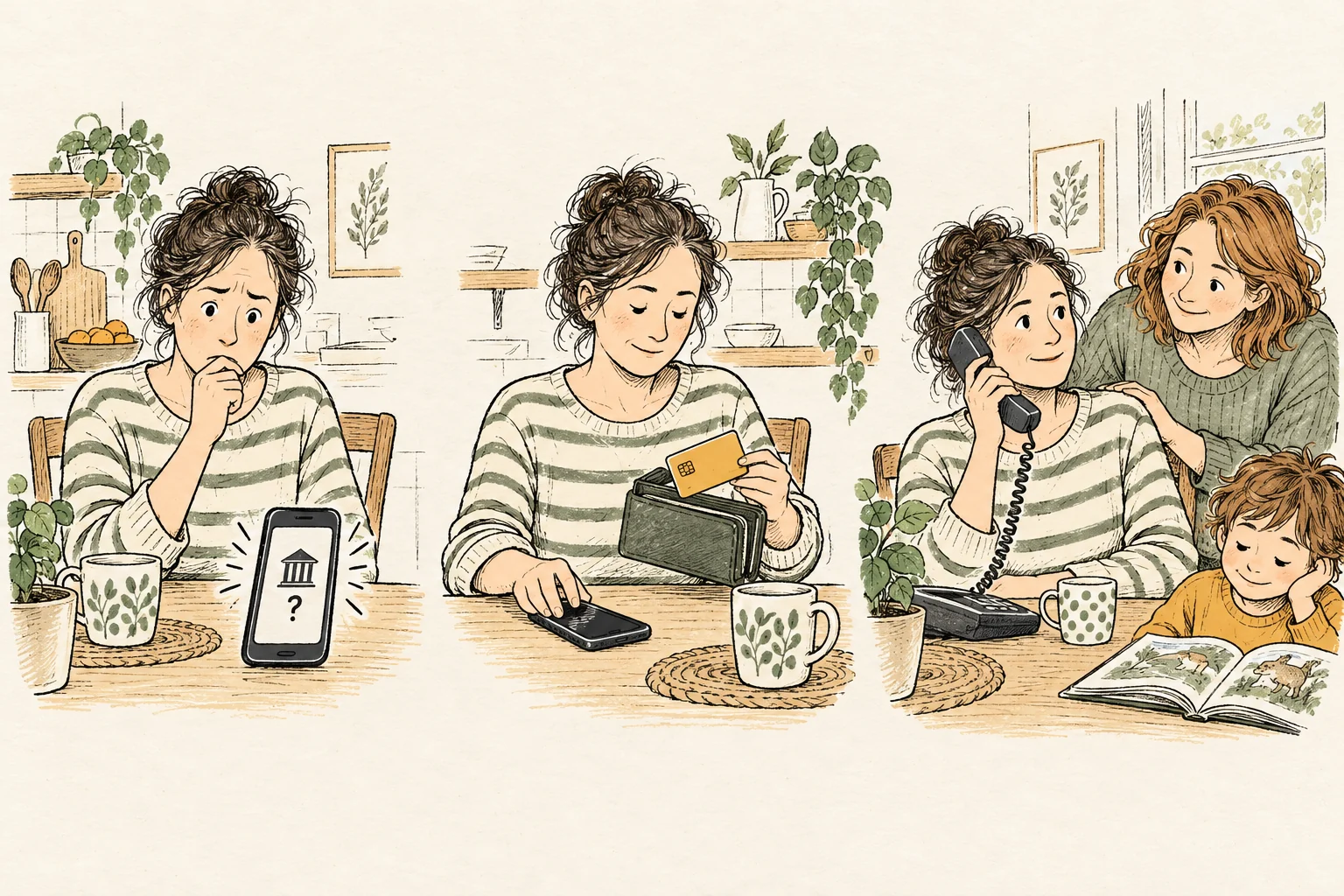
An energy supplier calls for urgent payment. How do I check it?
A caller says they are from your gas or electricity supplier and demands a card payment before a deadline. The bill might need attention, but the call itself does not prove who is speaking. Scammers can impersonate energy companies and pressure people for money or details. Pause the call, then check your actual account using the supplier's app, website or a number from a bill you already trust. If you owe money, deal with the supplier through that route.
ishowcrime desk
Sources checked 9 November 2026
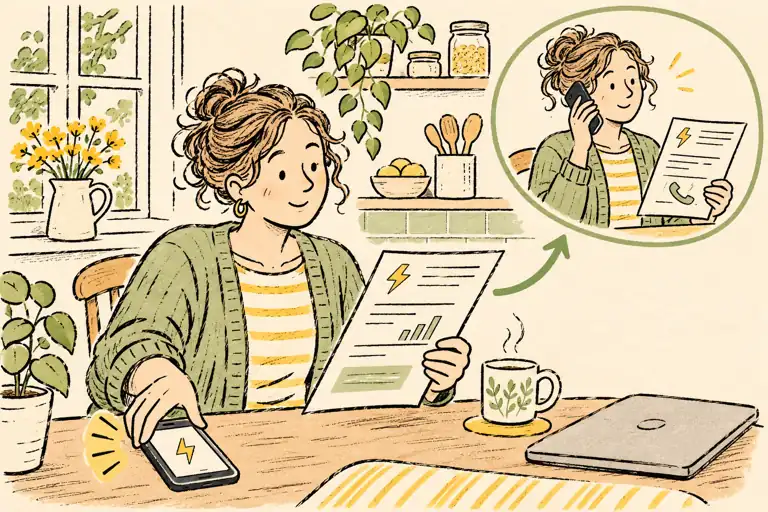
Here’s what you can do.
Pause the payment request
End an unexpected call that presses you to pay immediately, give card or bank details, share a one-time code, or follow a link. A displayed number, a familiar supplier name and details of your household are not enough to identify the caller. A real bill or account issue can still exist, so the pause is for checking, not for ignoring a debt. If the caller claims to be Ofgem selling energy or asking for your bank details, Ofgem says it does neither.
Check your real account independently
Open your supplier's app or website yourself, or call a number printed on a recent genuine bill. Do not use a callback number, payment link or bank details supplied by the caller. Ask the supplier whether anything is owed, what the due date is and how to pay through its normal route. This separates a real billing problem from an impersonation attempt. If a genuine balance is difficult to pay, tell the supplier and ask about affordable options; Citizens Advice also offers energy-bill help.
Act if you paid or shared details
If you gave card or bank details, a code, or money to a suspected scammer, contact your bank or payment provider immediately through a trusted route and explain exactly what you shared or paid. The bank can assess how to protect the account and whether recovery is possible; a refund is not guaranteed. Tell the real energy supplier that its name was used. Report suspected fraud to Report Fraud in England, Wales or Northern Ireland, or Police Scotland on 101 in Scotland. You can report a suspicious call to 7726 by texting Call followed by the caller's number. If you feel threatened or unsafe now, call 999.
Your quick checklist.
Tick what you’ve done. This stays on this page.
0 of 3 markedDownload a short text copy to read without internet. It cannot call or alert anyone.
A few things explained.
Can my real supplier call about an unpaid bill?
Yes. A supplier may contact a customer about arrears, and ignoring a real account issue can make it harder to resolve. You do not have to settle it through an unverified incoming call. End the call and check your account through the supplier's own app, website or a number on a genuine bill. If the balance is real and you cannot pay it all, discuss an affordable plan directly with the supplier.
What if the caller says they are from Ofgem?
Ofgem says it does not sell energy, ask for personal bank details or come to your property. Refuse a request for payment or details made in its name. Check any question about your actual bill with your supplier through independently found contact details. Ofgem's linked contact page also explains how to tell it about an impersonation attempt.
What if I already gave the caller my card details or paid?
Contact your bank or payment provider immediately using its official app, website or the number on your card. Tell it what you shared and how you paid. Let the real supplier know its name was used. Report suspected fraud through Report Fraud in England, Wales or Northern Ireland, or Police Scotland on 101 in Scotland. If the call was suspicious but you did not pay, you can still report the number to 7726.