Could a former occupant still have a key to my new home?
You have moved into a flat or house but do not know whether a former occupant still has a key or entry fob. That uncertainty does not mean anyone has entered. It does mean you should check who manages access, whether each door locks properly, and how old keys or fobs are accounted for. Police advice recommends considering a lock change when other people may have copies; in a block, the communal entrance also needs the managing agent’s attention.
ishowcrime desk
Sources checked 16 November 2026
Here’s what you can do.
Check each way into the home
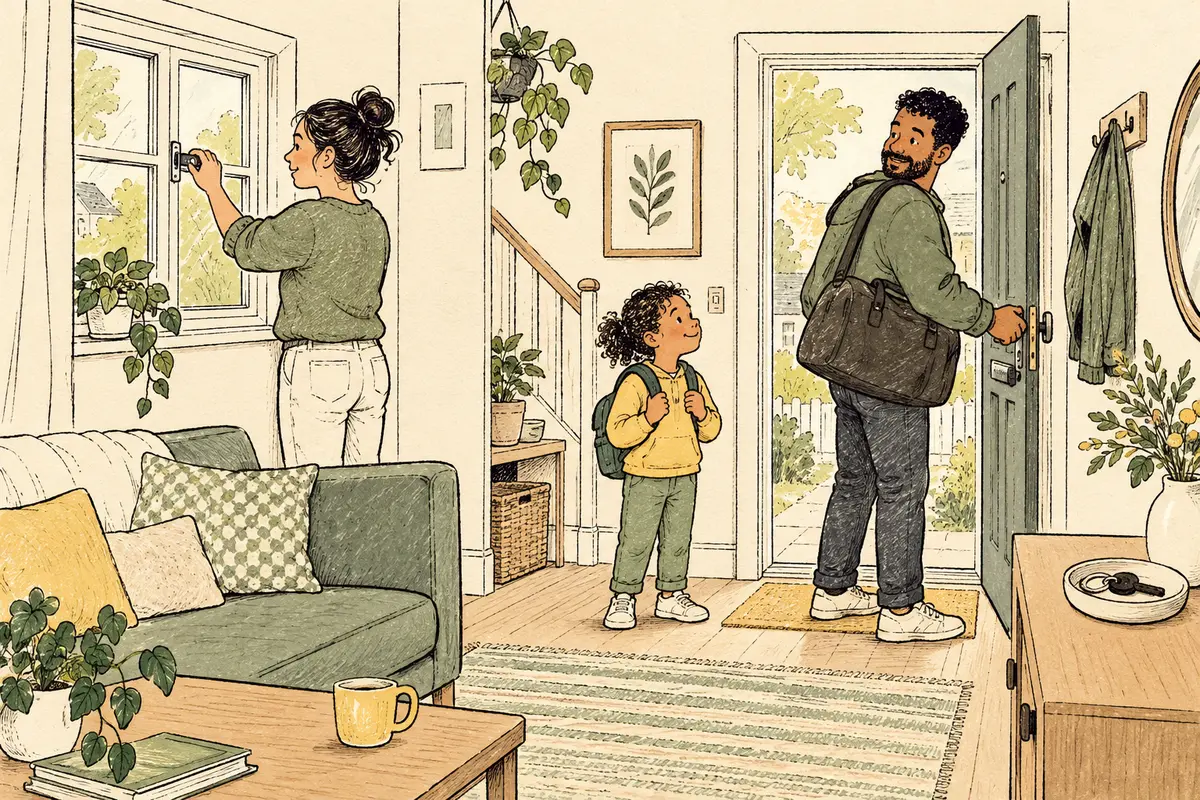
Test the front and back doors and accessible windows, and check that the locks actually engage. In a flat, notice whether the communal door closes and locks behind you. Ask the seller, landlord or managing agent which keys and fobs were handed over, whether any copies are known and who controls the shared-entry system. You may not be able to prove that every old key was returned; the aim is to agree a practical way to manage access. Police Scotland advises checking doors and windows when moving in, while Police.uk says a faulty communal entrance should be reported to the manager or landlord.
Arrange the right access changes
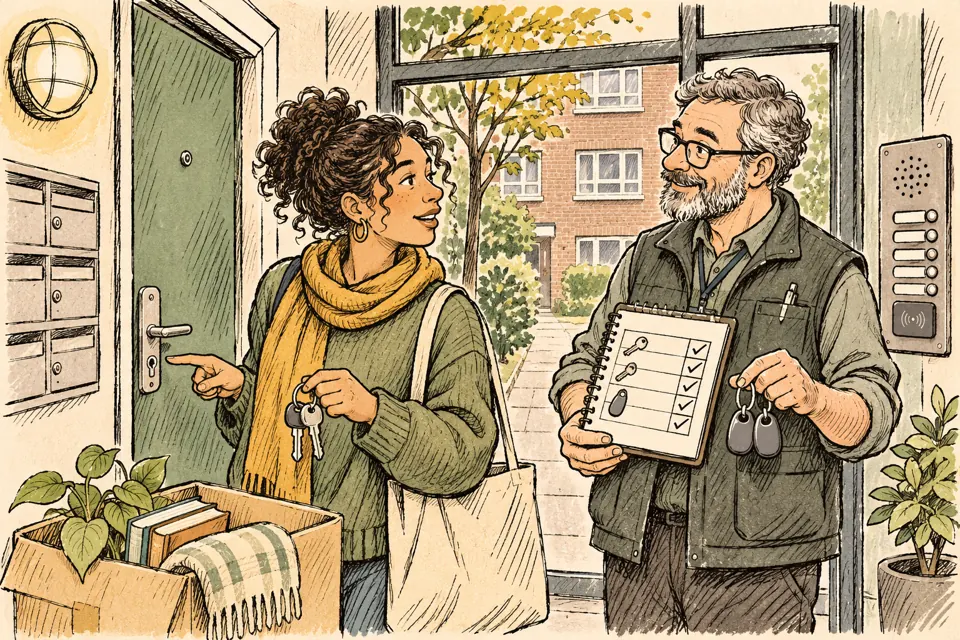
If you own the home and cannot account for old keys, consider changing the relevant locks with a suitable professional. Police guidance recommends changing locks when other people may have copies. If you rent, tell the landlord or agent your concern, check your agreement and ask them to arrange or approve any change; do not alter a shared building entrance yourself. For a lost or unreturned communal fob, ask the managing agent whether it can be cancelled and the entry system reprogrammed. Police.uk describes reprogramming as the response to a lost flat-entry fob. Keep a safe way out in an emergency when considering new hardware.
Get help if someone enters or you feel unsafe
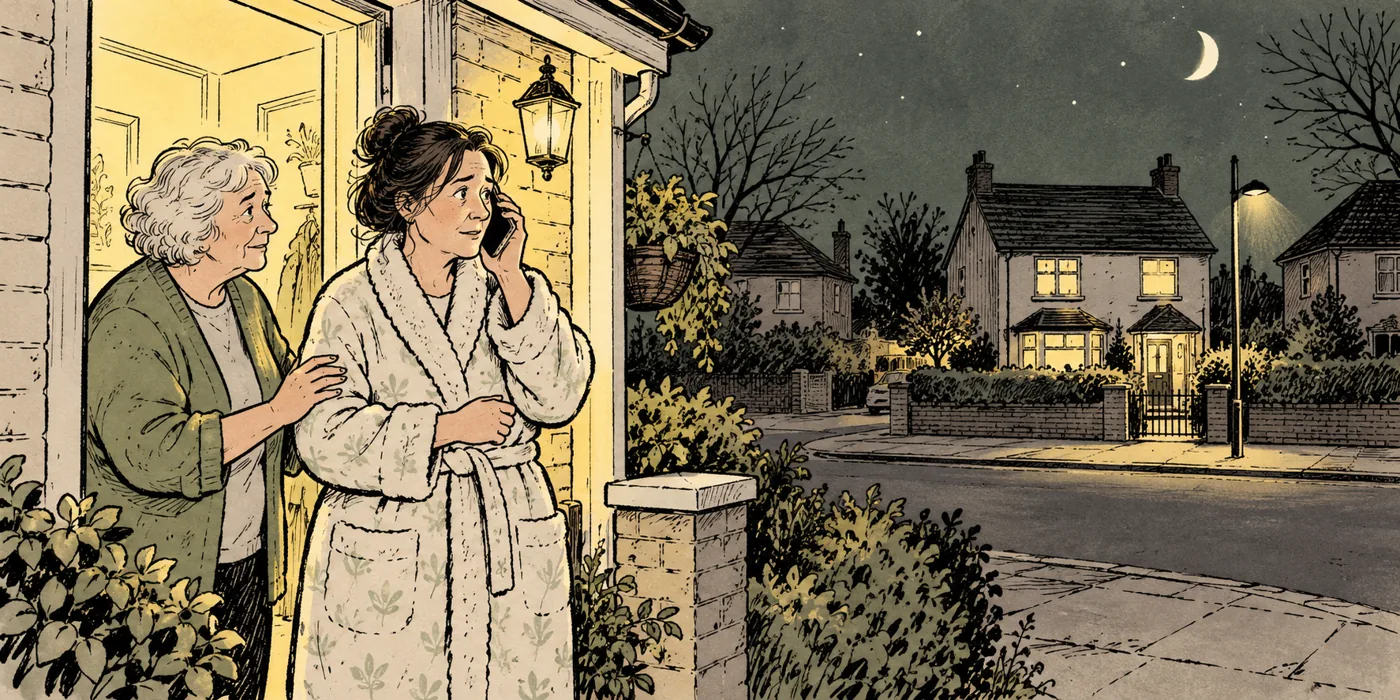
A key turning in a lock, an unfamiliar visit or a door found open needs a careful check, but it does not by itself identify a former occupant or prove wrongdoing. If you think someone may still be inside, do not go in or confront them; move to a safe place and call 999. If there is no immediate danger, record what you observed, tell the landlord or managing agent about any access fault, and report a suspected break-in to local police online where available or on 101. If you are locked out because a landlord changed the locks, seek housing advice: that is a different problem from an old key and your rights depend on your circumstances.
Your quick checklist.
Tick what you’ve done. This stays on this page.
0 of 3 markedDownload a short text copy to read without internet. It cannot call or alert anyone.
A few things explained.
Should I assume the former tenant still has a copy?
No. You may not know how many copies were made or whether they were returned. Ask the person responsible for the property what is known and how access will be controlled. Police advice supports changing locks when other people might have copies, but an uncertain key count is not evidence of entry.
Can a flat’s old entry fob be cancelled?
Ask the managing agent or landlord who runs the system. Police.uk says a lost communal-entry fob should be replaced and the security system reprogrammed. The exact capability depends on the building’s system. Do not change a shared entrance yourself.
What if I think someone has come in?
If someone may still be inside, stay out, go to a safe place and call 999. For a past suspected break-in with no immediate danger, tell the local police online where available or on 101, and give the facts you observed. Tell the landlord or building manager about any fault with the locks or entry system. Do not accuse a former occupant without evidence.