How do I list stolen belongings for police without sharing private details?
After a theft, you may remember more missing things over the next few days. A useful list helps police identify property if it is found, but it does not need to become a public inventory of your home. Record what you know, mark anything uncertain and update the force handling your report when you discover more. For example, if a camera is missing but you cannot find its serial number today, report the theft now and add the number if you later find the box or receipt.
ishowcrime desk
Sources checked 7 November 2026
Here’s what you can do.
Report the theft; start one private list
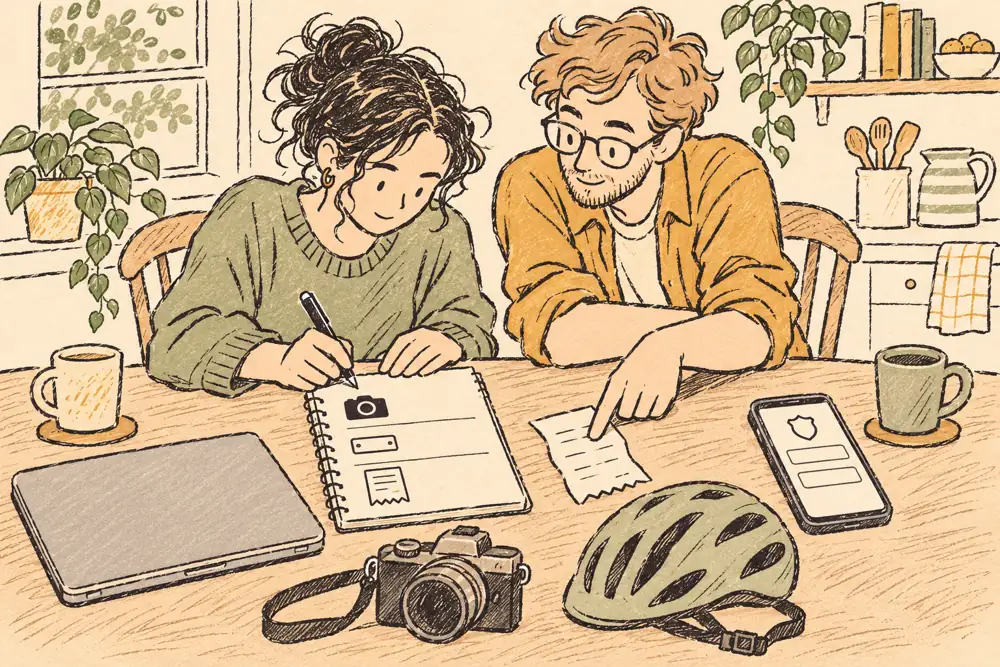
Use the reporting route for the police force responsible for the incident. If a theft is happening now or someone is in danger, call 999. Otherwise, do not wait until the list is perfect before making a report. Write one row per item: what it is, make, model, colour and any distinctive marks. Put ‘not sure’ beside details you have not checked. Avon and Somerset Police asks for as much detail as you can, including unique numbers. Essex Police says further stolen items can be added when noticed later.
Find identifiers and ownership records
Look for serial numbers or an IMEI on boxes, purchase emails, receipts or records you already have. For jewellery or unusual objects, an older photograph can help identify the item. Record the date and place of purchase if known. The Met advises keeping photos, serial numbers and receipts; Essex Police asks for serials and photographs when available. Do not enter someone else's account or approach a suspected seller to gather details. If cards, keys or a phone were taken, protect those separately with the bank, service provider or relevant key holder.
Send updates through the case route, not a public post
Keep the list and any receipts in a private place. Give new item details to the force handling the case, using its official existing-report route or the investigating officer's verified contact details; include your report reference if you have one. Essex Police says to send its property form to the officer in the case, and other forces may use different methods. Avoid posting your address, contact details, full receipts or a catalogue of valuables on social media. Police Scotland warns against public photos of valuables, and Warwickshire Police advises against posting private details. If you want help writing the list, ask someone you trust without making it public.
Your quick checklist.
Tick what you’ve done. This stays on this page.
0 of 3 markedDownload a short text copy to read without internet. It cannot call or alert anyone.
A few things explained.
What if I do not know the serial number yet?
Report what you know and mark the number as unknown. Check packaging, receipts, purchase emails or your own records when you can. Essex Police says to pass on additional item details as soon as you discover them.
Should I post photos of everything stolen so people can look for it?
Share identifying details with police through the case route first. Public posts can reveal your address, contact information or what else you own. Police Scotland advises against posting photos of valuables on social media. Ask the investigating force before making a public appeal.
Can I add another stolen item after my first report?
Yes. Essex Police says people sometimes notice missing items later and should provide the new details promptly. Contact the force handling your report through its official existing-case route or the officer's verified contact details. Its process may differ from Essex's form.