A motorcycle buyer wants a test ride. What should I check?
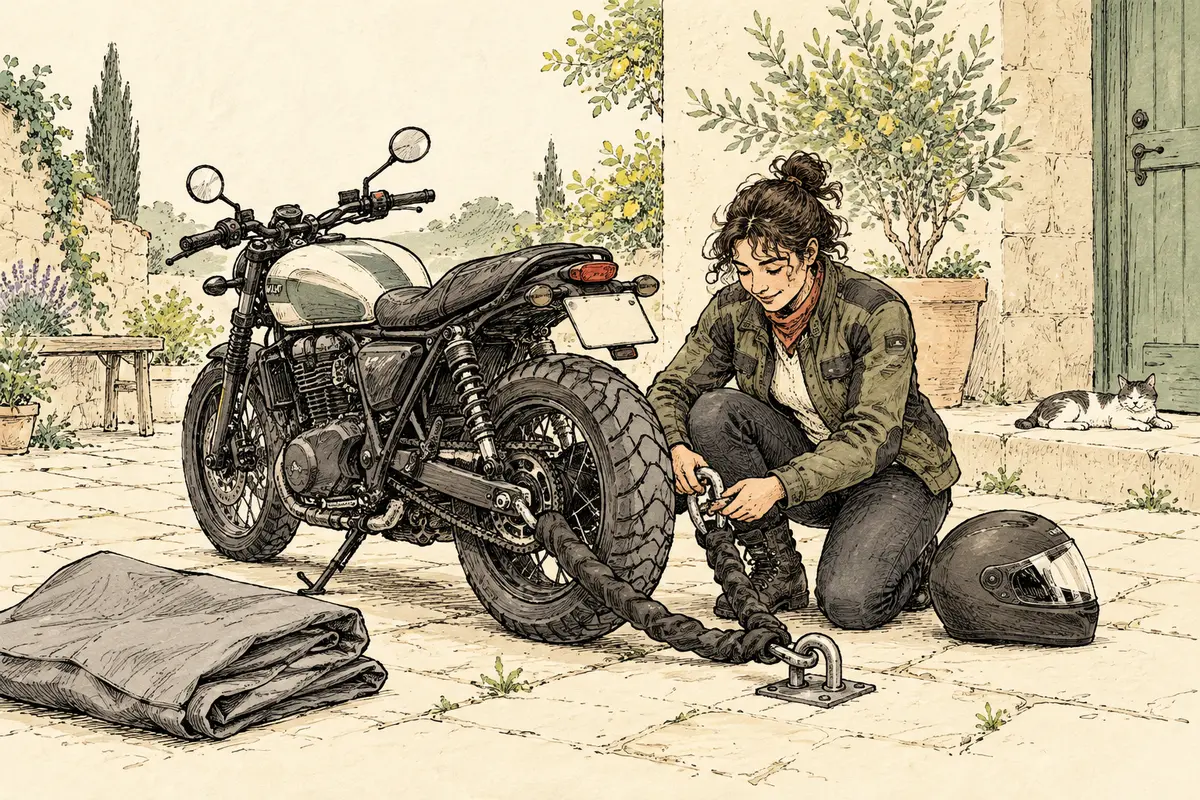
Imagine a buyer arrives to view your motorcycle and asks to take it round the block alone. A test ride can be a genuine request, but handing over the keys creates an opportunity for theft. A payment screenshot is not proof that money has reached you either: police warn that buyers can show forged transfer confirmations. Before agreeing, separate three questions: are you comfortable with the meeting, is the rider legally covered, and what happens if the bike is damaged or not returned?
ishowcrime desk
Sources checked 24 October 2026
Here’s what you can do.
Set the terms before handing over keys
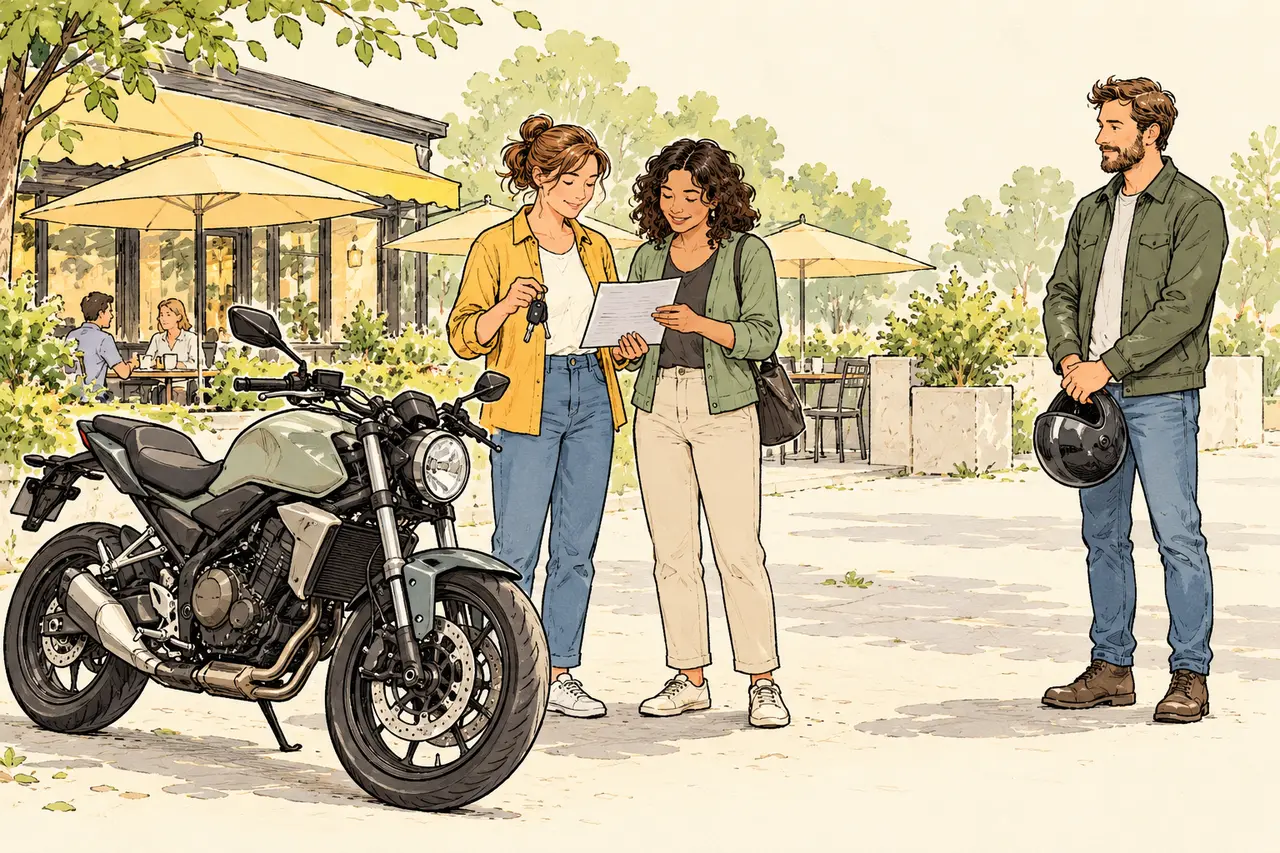
Arrange the viewing carefully. Police advise a familiar, well-lit meeting place; the Met recommends busy public places in daylight, taking someone with you and telling another person your plans. An unexpected move to a secluded place is a reason to stop. Keep the buyer's contact details and messages. You can decline a test ride if you are uncomfortable. Explain that the buyer can inspect the motorcycle or arrange an agreed independent inspection instead. Do not let pressure to complete a sale replace your checks. If you agree a sale, check payment in your own account before handing over the bike; the payment FAQ below explains why a buyer's confirmation is not enough.
Check the rider, not just the motorcycle's insurance
Before any road test, check that the buyer has the correct licence and insurance covering their use of this motorcycle. Seeing that the bike itself is insured is not enough. Read the policy documents and resolve uncertainty with the insurer before agreeing. The motorcycle must also be roadworthy, taxed and have an MOT where required. Ask your own insurer what cover applies if you willingly hand over the bike and the person does not return. Bikesure warns that an insurer may not pay out after this kind of deception. Do not assume a policy covers every theft.
If the bike is taken, get help safely
Do not chase or try to recover it yourself. Call 999 if a crime is happening now or someone is in immediate danger. For a suspected theft discovered afterwards, contact police on 101 and tell your insurer promptly. Explain exactly what was agreed and what happened, including whether you handed over the keys. Give police the registration, make, model and colour, together with the buyer's messages and contact details. If the handover followed a suspected false payment confirmation, keep that too and explain it to police and your insurer. Keep the crime reference. If you do not yet know why a rider has failed to return, say so rather than presenting a guess as fact.
Your quick checklist.
Tick what you’ve done. This stays on this page.
0 of 3 markedDownload a short text copy to read without internet. It cannot call or alert anyone.
A few things explained.
Does third-party insurance pay for damage to my motorcycle?
Not by itself. Third-party cover is the legal minimum and covers liability for injury or damage to others; it does not cover repairs to the vehicle being ridden. A buyer saying they are insured is not a clear answer about damage to your bike. Check the actual cover and conditions with the insurer before a test ride.
Is a deposit or identity document enough to make a test ride safe?
No. Neither establishes that the rider has the right insurance or that your own policy will pay after deception. Autotrader's motorcycle-selling guidance recommends declining test rides as the general approach and allowing an inspection instead. You do not need to agree to an arrangement you are uncomfortable with.
The buyer shows a bank-transfer confirmation. Can I hand over the motorcycle?
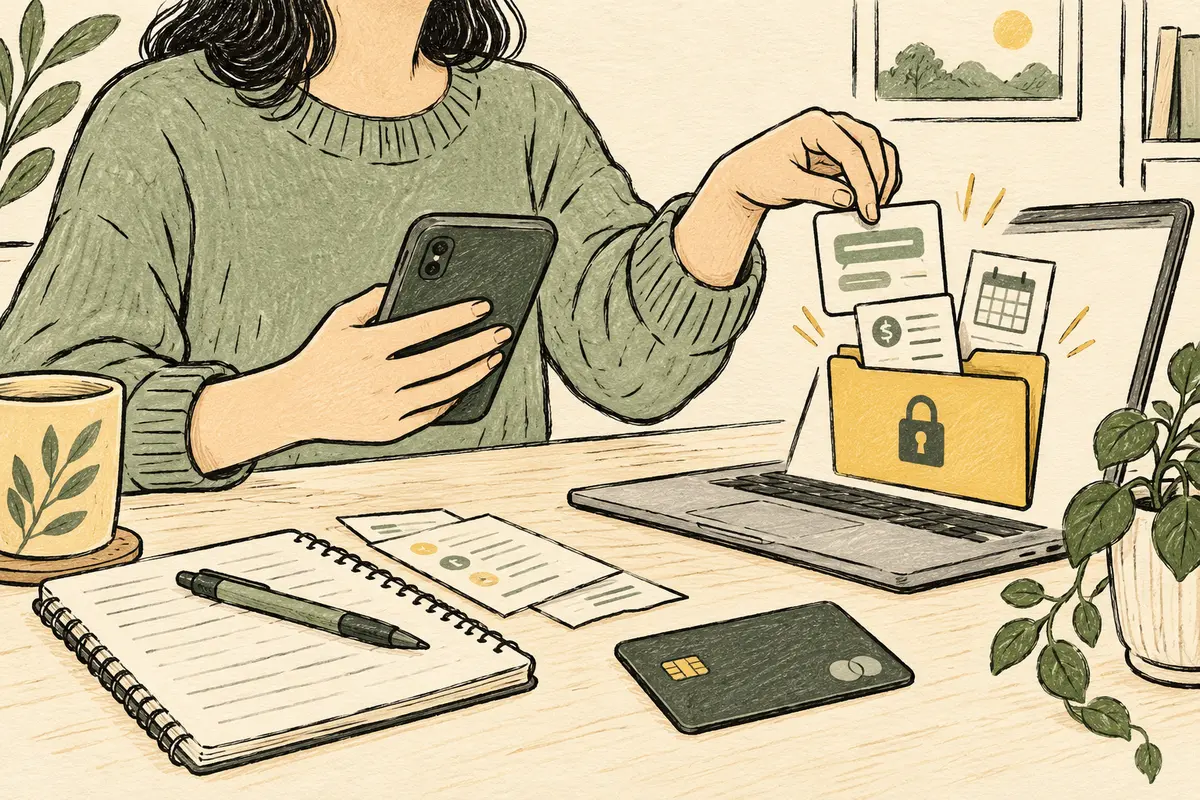
Check the payment yourself first. A screenshot, email or screen on the buyer's phone can falsely claim that a transfer was made or is pending. Open your own banking app or payment provider directly on your own device; do not use a link or website the buyer supplies. Confirm that payment has been received and cleared before completing the handover. If you cannot verify it, pause the sale rather than accepting pressure to release the bike. For a completed genuine sale, agree and record the terms, tell DVLA using its official service below and update your insurer. Vehicle tax does not transfer to the buyer: they must tax it before riding, alongside having the correct licence and insurance.