How to travel more safely at night in the UK
The last train is cancelled and you still need to get home. Pause to check another route before accepting an offered lift. In London, TfL Go or Journey Planner can help you find alternatives, including night buses. A minicab must still be booked through a licensed operator: a licence sticker alone does not make an unbooked journey legitimate.
ishowcrime desk
Sources checked 6 November 2026
Here’s what you can do.
Plan the way home
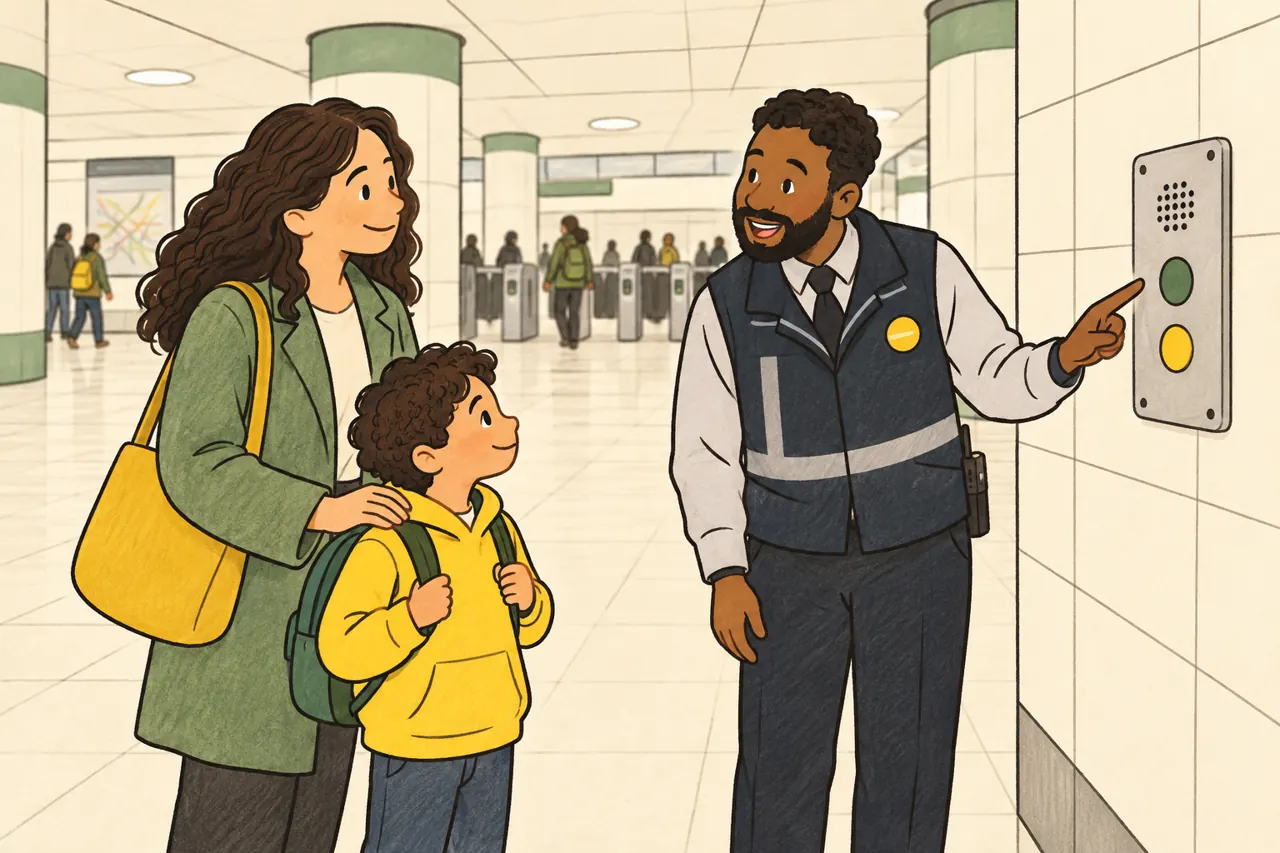
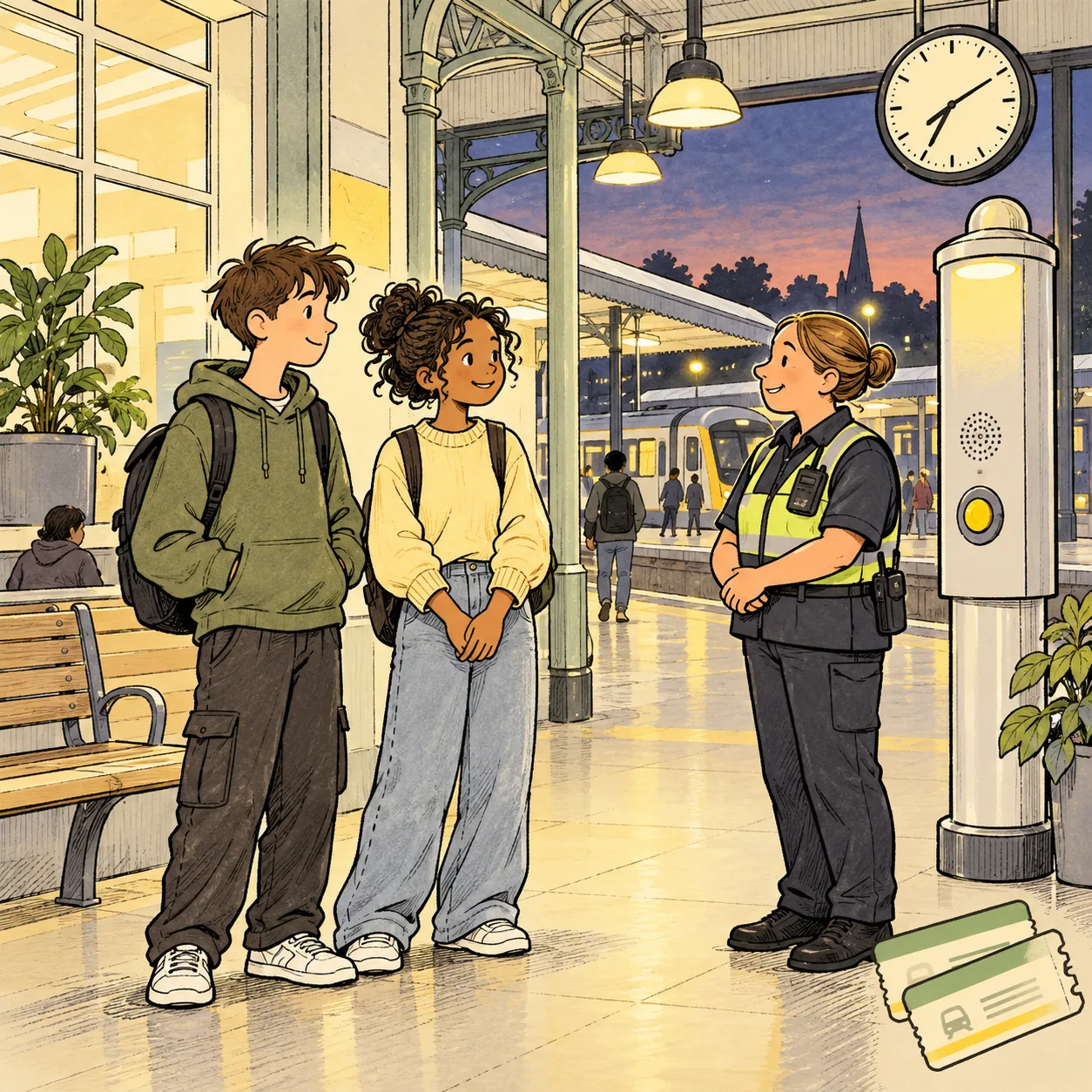
Check your route and last service with the operator before leaving. If the last Tube is cancelled, replan in TfL Go or Journey Planner and check the next service, including a night bus where available. Ask station staff for help before leaving: Tube, Elizabeth line and London Overground stations are staffed from first to last train, so do not assume a station will remain open all night. Agree a check-in with someone safe and tell them if your route changes.
Check your booked car
Book a London minicab through a licensed operator. TfL’s Licence checker can check the driver, vehicle and operating centre; see the FAQ below. Check the driver’s name, TfL licence number and vehicle registration against the confirmation, including the photo where provided. If the driver or car differs, do not get in; contact the operator. A driver offering a lift outside a concert or a venue staff member taking you to a car does not replace that booking. TfL says an unbooked minicab journey has no operator record and is not insured to carry passengers. A licence sticker alone is not enough. Book through the operator and keep the confirmation so there is a record of the driver and vehicle. In a London black cab, tell the driver at the start if you have a preferred route. TfL says drivers should explain a proposed longer route to avoid congestion, including why they suggest it.
Use the right help
Call 999 in an emergency. For a non-emergency incident on a London bus, or in a London taxi or minicab, TfL directs passengers to the Metropolitan Police website. Use its crime-reporting route linked below. To report taxi or minicab driver behaviour to TfL by phone, call 0343 222 4000, Monday to Friday, 9am–5pm, excluding bank holidays; call charges may apply. This is not an emergency line. The online complaints form is another option. For non-emergency railway incidents in Great Britain, text BTP on 61016 with what happened, where and when. On trains without signal, use emergency facilities when needed, a station help point or staff. A text is not an emergency substitute. BTP cannot guarantee an immediate text response; texts may incur a network charge and 61016 does not accept pictures or WhatsApp messages.
Your quick checklist.
Tick what you’ve done. This stays on this page.
0 of 3 markedDownload a short text copy to read without internet. It cannot call or alert anyone.
A few things explained.
What if my London taxi takes an unexpected route?
An unfamiliar route alone does not prove wrongdoing. TfL's black-cab handbook recognises that a longer route may avoid congestion, and says the driver should explain the proposal and the reason. If it feels safe, ask about the route and explain your preference. This guidance is for London black cabs; keep any minicab booking details and raise concerns with the operator. Once safe, keep the journey details and request a receipt. London black-cab drivers must provide one on request, showing the date, time, metered fare, extras and total. These details help explain a route or fare complaint. TfL's linked form accepts complaints about overcharging and driver behaviour. If there are threats or immediate danger, call 999 rather than waiting for a complaint response.
How do I report a problem with a taxi or minicab?
TfL's linked form accepts reports of abusive or aggressive behaviour and dangerous driving. Once safe, give the journey's start and end points, date and time, and describe what happened. Attach the booking confirmation if available: it helps identify the operator, driver and vehicle. The form marks badge, plate, roundel and vehicle registration numbers as optional, so missing one is not a reason to abandon a complaint. Do not take risks to collect it. TfL also asks passengers to report sexual behaviour by drivers, including comments about appearance or looks that make them uncomfortable. You do not have to dismiss this because there was no physical contact. Describe the behaviour without deciding its legal classification yourself. For a suspected crime, use the Metropolitan Police reporting route as well. Call 999 for immediate danger, violence or a crime happening now; do not wait for TfL's office hours or a complaint response.
How can I check a minicab company or find a night bus?
Use TfL’s Licence checker, linked below, to check whether a London private-hire driver, vehicle or operating centre is licensed. TfL’s Find a taxi or minicab page also links to its local minicab search. Use these official routes when choosing an unfamiliar company, rather than relying only on a sticker or a driver’s reassurance. A licence check does not book your journey. Book through the licensed operator and match the car and driver to the confirmation before getting in. If you cannot resolve a mismatch, do not board; contact the operator. This applies even when you are delayed or a driver approaches you outside a station or venue. For a night bus, use TfL Go or Journey Planner to check the route, correct stop and next service. A night service elsewhere on the network does not mean your usual route is running.