Where should I keep my will and identity documents?
A will and a passport may sit in the same household drawer, but they serve different needs. An executor must be able to find the original will when it is needed; a lost identity document could be misused. In England and Wales, GOV.UK says you may keep a will at home or with a solicitor, bank, will-storage company or the national probate registry. Police and Report Fraud advise keeping personal documents somewhere secure. Choose a place you can access, tell the right person where the will is, and know whom to contact if anything goes missing.
ishowcrime desk
Sources checked 7 November 2026
Here’s what you can do.
Choose a safe place for the original will
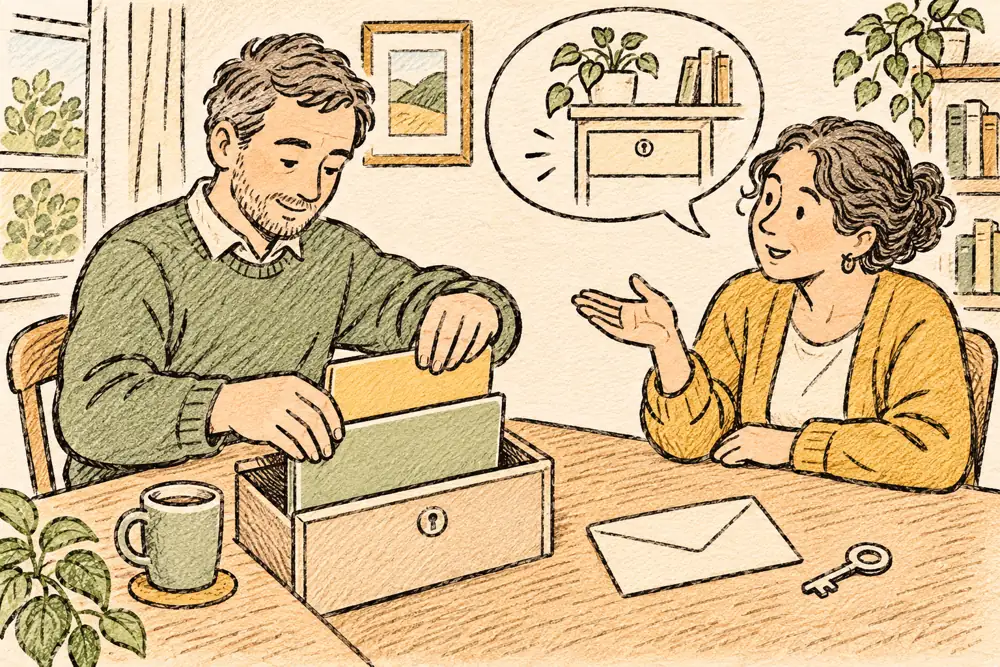
GOV.UK says you can keep a will at home or store it with a solicitor, bank, specialist will-storage company or the national probate registry. If using a service, check where the paper original will be held, how it can be retrieved, what it costs and what happens if the company closes. Keep the original secure and tell your executor, close friend or relative where to find it. They need the location, not a public post containing the will's private details. These options are given for England and Wales; will rules and services differ elsewhere in the UK.
Protect identity papers separately
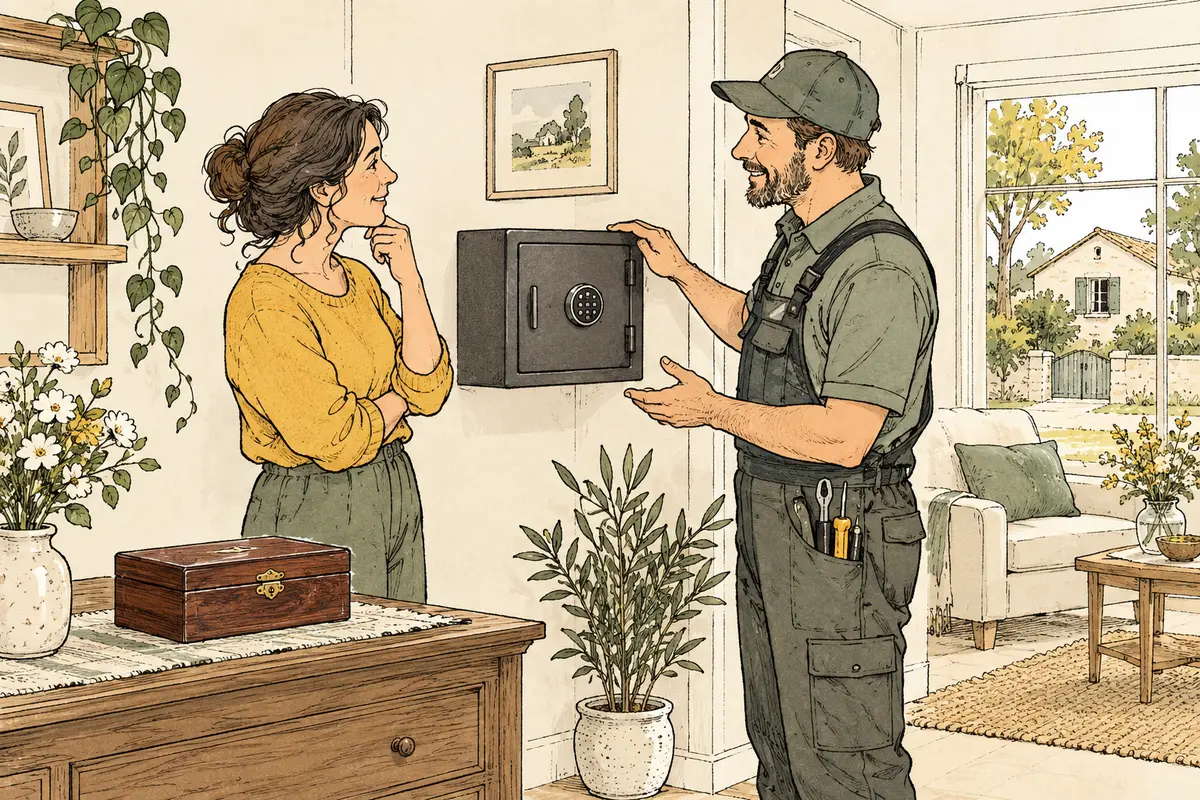
Keep passports, driving licences, birth certificates and financial papers out of sight, preferably in a lockable drawer or cabinet. Police.uk says a properly chosen home safe is another option for identity documents; check its fire and insurance rating before relying on it. Avoid keeping unneeded copies or photographs of ID where others can casually see them. Report Fraud advises destroying unwanted bills and statements rather than throwing them away whole, because personal details can be used in identity fraud.
Act if a document is lost or stolen
A missing document does not prove identity fraud, but act promptly. Stop! Think Fraud says to report a lost or stolen passport, driving licence or bank document to the organisation that issued it; report theft to police and ask for a crime reference. If you see unfamiliar transactions or accounts, contact the bank or affected provider and check your statements. If the missing paper is the original will, ask the solicitor or storage provider about the next step and seek qualified advice rather than assuming a photocopy replaces it.
Your quick checklist.
Tick what you’ve done. This stays on this page.
0 of 3 markedDownload a short text copy to read without internet. It cannot call or alert anyone.
A few things explained.
Can I keep the original will at home?
Yes. GOV.UK lists home storage alongside a solicitor, bank, will-storage company and the national probate registry for England and Wales. Keep the original secure and tell your executor, close friend or relative where it is. If you use a storage provider, check retrieval fees and what happens if it stops trading.
Should passports and identity papers go in a safe?
They should at least be kept out of sight and secure. Report Fraud recommends a lockable drawer or cabinet at home. Police.uk says a home safe can be considered for passports and ID documents, but its fire and insurance rating should suit what you store. A safe is an option, not a guarantee.
What should I do if a passport or other ID document is stolen?
Tell the issuing organisation, such as HM Passport Office, DVLA or the bank, and report the theft to police for a crime reference. Check financial statements and contact the relevant bank or provider if unfamiliar activity appears. A missing document alone does not establish that someone has used your identity.