How can I keep a home-insurance inventory private and useful?
A home-contents list can help you work out the cover you need and show what you owned after a loss. But a file of photographs, receipts and serial numbers may also reveal personal details if it sits in a public cloud folder or is sent to the wrong person. Record enough to identify each item, then check who can open the file before you share it. An inventory does not guarantee an insurance claim: your own policy and insurer decide what proof is needed and what is covered.
ishowcrime desk
Sources checked 15 November 2026
Here’s what you can do.
Record items without publishing your home
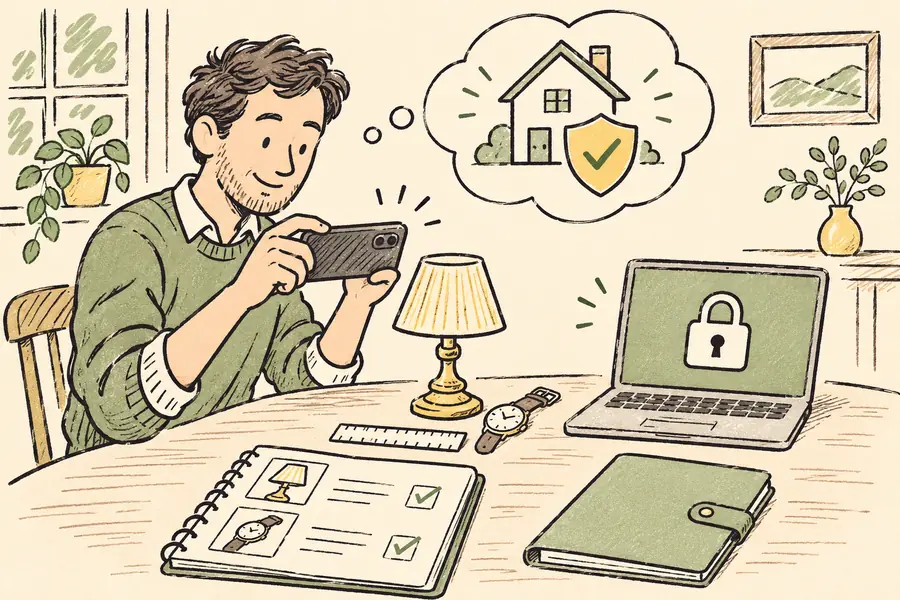
List the item, its replacement value and any useful make, model or serial number. Photograph valuable items clearly; Police.uk suggests a ruler beside jewellery, and keeping receipts can help prove ownership. The Association of British Insurers says an inventory helps calculate the total replacement value, but an insurer may ask for other proof when you claim. Keep descriptions accurate and update them after significant purchases. You usually need a clear record of the item, not a public post showing where in the home it is kept.
Store the list with limited access
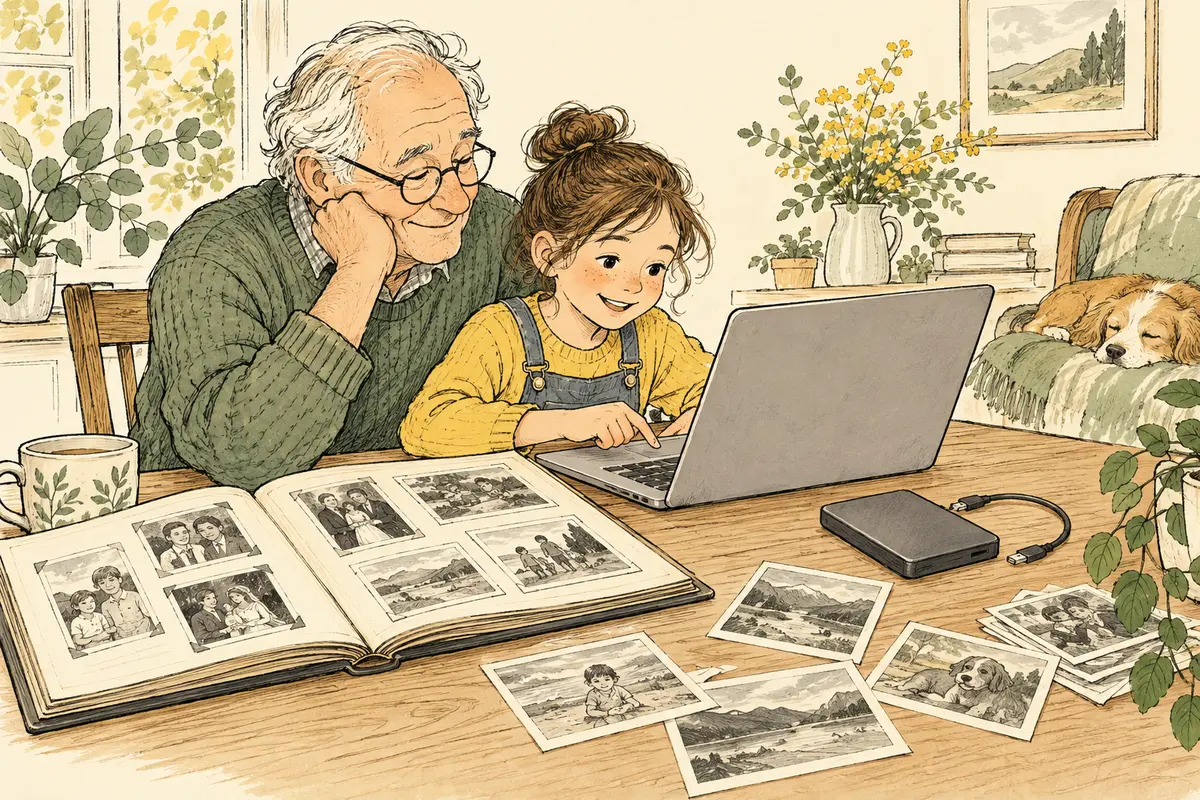
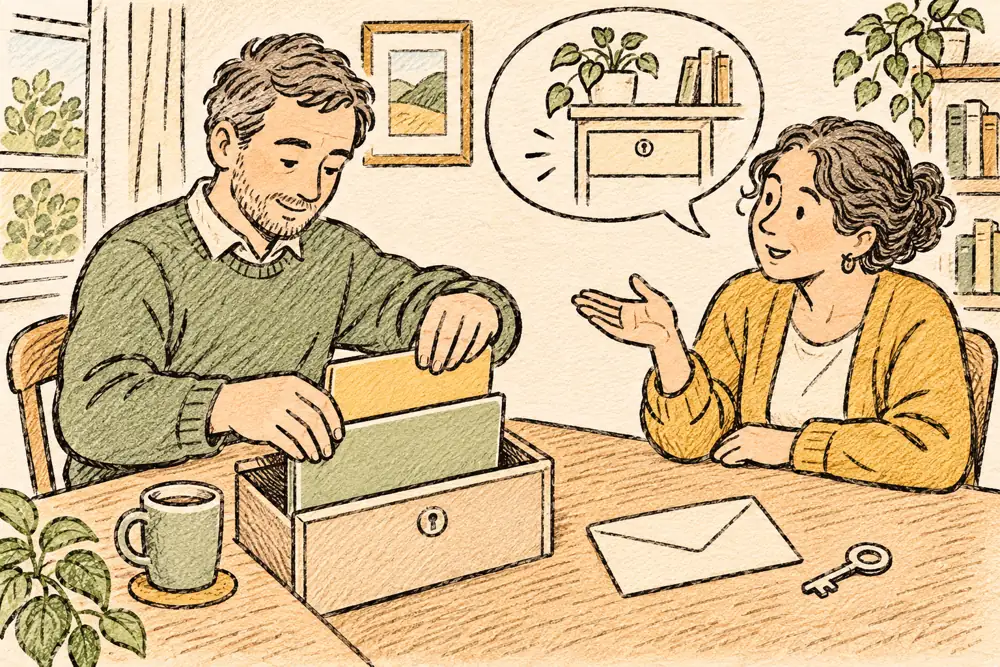
Keep the original inventory in a private folder or another secure place, with a separate safe backup so a fire, theft or broken device does not take the only copy. The ICO explains that cloud files can be private, shared with invited people or public; a link may expose the list more widely than you intended. Check the folder's access setting and any old sharing links. Protect the account with a unique password and two-step verification. If using a removable drive, protect it with a password where offered and keep it safely when disconnected.
Share only what the insurer needs
If an insurer asks for evidence, contact it through the number on your policy or its website rather than sending the whole inventory to an address in an unexpected message. Ask which items, photos or receipts it needs and how to send them through its official route. Check the recipient and the file access before sharing, then review or remove any temporary link afterwards. If you already made the inventory public, change its sharing setting, check who had access and ask the storage provider for help if you cannot control the link. That does not prove anyone opened or used the file.
Your quick checklist.
Tick what you’ve done. This stays on this page.
0 of 3 markedDownload a short text copy to read without internet. It cannot call or alert anyone.
A few things explained.
Do I need photographs and receipts for every item?
Not necessarily. The ABI says insurers may ask for proof of ownership and value on a claim, and they assess cases on their merits. Receipts and recent photographs are examples of evidence. Ask your insurer what it needs for high-value items and check your policy's single-item limit.
Can I keep the inventory in cloud storage?
Yes, if its security and access controls suit the sensitivity of the file. The ICO advises checking whether a folder is private, shared only with invitees or public. Use a unique strong password and two-step verification where offered. Keep a separate backup so the cloud copy is not your only copy.
I shared a link publicly. Does that mean someone has targeted my home?
No. Public access means others may be able to view the file, but it does not prove anyone has done so or intends harm. Change the sharing setting, review old links and ask the provider for help if needed. Keep your physical home security under review without assuming a crime occurred.